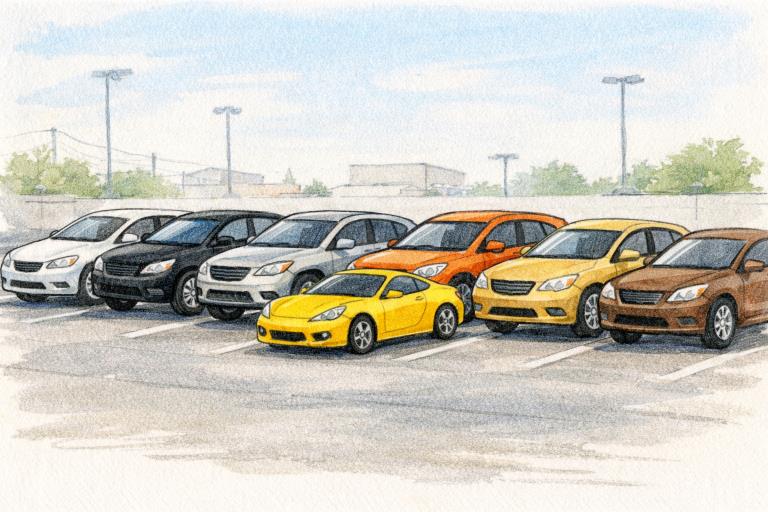
Choosing the right color for your new car might seem like a matter of personal style, but it actually plays a significant role in determining how well your vehicle holds its value over time. What looks good today may not appeal to the next owner, and that can mean more money lost when it is time to sell or trade in your car. Beyond basic preference, understanding how colors influence depreciation can help you make a smarter investment. For those seeking expert advice or vehicle services, Robert’s Body Shop & Wrecker Service offers knowledgeable support for both car buyers and sellers throughout the ownership journey. The dynamics of color-driven value are shaped by evolving market trends, supply and demand, and common buyer inclinations. Neutral shades like white, black, gray, and silver remain consistently popular, helping vehicles maintain higher resale prices. Less common hues may stand out, but they also risk deterring a wider audience of future buyers. Knowing which shades are in demand, and why, can benefit car shoppers long-term.
Why Color Matters in Resale Value
Color has always been a key factor in a vehicle’s appeal on the used market. Widespread favorites such as white, silver, and black appeal to the broadest group of buyers because they are viewed as clean, classic, and timeless. This popularity helps insulate vehicles in these colors from rapid depreciation and can lead to a quicker sale when the time comes. Bright or unusual colors attract buyers in smaller niches, which can extend the selling process and lower the amount you receive. Beyond trends, colors may signal how well a car hides dirt and scratches, or how well it stays cool in the summer sun. Neutral colors are often found on business fleets, family vehicles, and rental cars, reinforcing their desirability and circulation in the secondhand market. However, some buyers look for standout colors for sports cars or convertibles, where individuality is a selling point.
Colors That Retain Value
Uncommon colors, particularly yellow and orange, have surprised industry experts with their value retention. A study by iSeeCars found that yellow cars depreciate far less than average after 3 years. Orange vehicles also tend to fare better than most, largely due to their rarity and unique look. Because these colors are less common, used-car buyers seeking them may be willing to pay a premium, driving up resale prices. This is especially evident in the sports car segment, where buyers value individuality. Meanwhile, neutral shades generally remain a safe bet. They have broad appeal and do not fall out of favor quickly, contributing to steadier resale values over time. This aligns with iSeeCars’ findings, which confirm that traditional paint colors are least likely to experience sudden drops in value.
Colors That Depreciate Faster
Some hues, such as gold and brown, tend to depreciate much faster compared to others. Their limited demand can lead to prolonged selling periods and bigger value drops at trade-in time. Many shoppers bypass these shades due to their dated appearance or lack of universal appeal. For example, gold depreciates about 34.4 percent in just three years, according to iSeeCars’ coverage of car color depreciation. Similarly, bright greens or purples can quickly go out of style, leading to even sharper drops in value. Car buyers should remember that while uncommon colors might catch the eye, they could narrow their resale market later.
Vehicle Type and Color Impact
The relationship between color and resale value changes by vehicle category. Bold, exotic colors tend to work well with sporty models because their target buyers seek uniqueness and flair. Muscle cars, coupes, and convertibles are more likely to fetch higher prices in colors like red, orange, or green. On the other hand, minivans, SUVs, and sedans tend to perform better in subdued shades, which cater to family and corporate buyers. Paint color choice should be matched to the segment to optimize resale advantage, as recommended in iSeeCars’ guide to car color and resale.
Regional Preferences and Trends
Where you live impacts the desirability of certain colors. Lighter paints help keep cars cooler in regions with abundant sunshine, leading buyers in warmer states to favor white, silver, and beige. Meanwhile, drivers in colder regions, or regions with less dust and sun, may gravitate toward darker hues. Regional car-buying customs can quickly tilt resale trends; for example, vibrant colors are often more accepted in urban or coastal areas, while rural areas may favor a traditional palette.
Tips for Choosing a Color with Resale in Mind
- Research Market Trends:Check which car colors are currently sought after and have a history of good resale value. Local dealerships and online listings are helpful resources.
- Consider Vehicle Type:Align your color choice with your vehicle’s market segment, subtle colors for daily drivers, bold ones for performance models.
- Think Long-Term:Select a shade you will enjoy for years, factoring in how buyer tastes might evolve by the time you plan to resell.
- Consult Resale Value Studies:Make use of resources like industry reports and depreciation calculators to estimate how color impacts your future returns.
Conclusion
Your car’s color is not just an expression of personality, as it is a decision that can impact the dollars you get back on resale. Whether you stick to traditional shades or opt for something bolder, understanding the impact of color on value helps ensure you make an informed, cost-effective purchase. By planning and leveraging both market data and expert guidance, you can drive a car you love and protect your investment for years to come.