As unpredictable weather patterns become more common, homeowners must adapt their efforts to keep indoor environments healthy and mold-free. Warmer temperatures and increased moisture are making it easier for mold to thrive. Early detection and regular mold inspections are more important than ever to maintain a safe living space and prevent costly damage.
Climate change continues to amplify humidity and dampness inside homes, giving mold exactly what it needs to spread quickly. Homeowners who take a proactive approach now will be better equipped to protect their health and investment, regardless of season or location. Besides monitoring for early warning signs, knowing best practices for removing mold can save you time and protect your family from health hazards. In some cases, professional services may be critical to fully eliminate hidden mold and restore safe air quality in your home.
Understanding Mold and Its Health Impacts
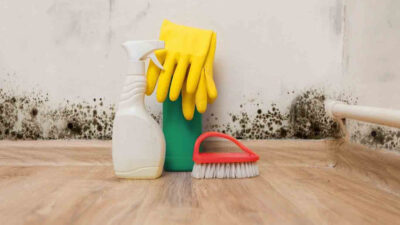
Mold is a naturally occurring fungus that can quickly take root in any environment with persistent moisture. It spreads via spores carried by the air, typically settling on damp surfaces such as walls, ceilings, or under carpets. While often invisible at first, unchecked mold can become a major hazard. Mold exposure is linked to respiratory irritation, worsening of asthma, and allergic reactions. According to the U.S. Environmental Protection Agency, symptoms can range from mild (sneezing and watery eyes) to severe (lung infections), especially in those with allergies or weakened immune systems. Because mold problems often start small, it is crucial to monitor areas prone to dampness and act as soon as discoloration, odor, or mildew appears. The Centers for Disease Control and Prevention (CDC) also recommends controlling indoor humidity to reduce mold risk and protect household health.
Climate Change and Mold Growth
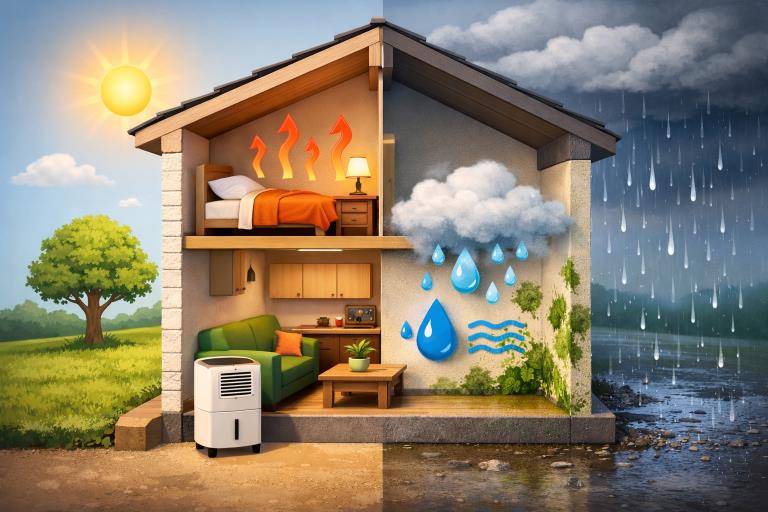
Extreme weather events, such as heavier rainfall and more frequent hurricanes, are increasing indoor moisture problems. More homes now require disaster recovery and mold prevention as storms become more severe and unpredictable. Studies have linked the changing climate to a surge in water-damaged buildings that struggle with lingering dampness, making them prime locations for mold infestations. These conditions are further intensified by higher average humidity and longer wet seasons, both of which provide a perfect environment for accelerated mold growth. Homeowners need to understand that strategies that worked a decade ago may not serve today’s changing environment. Sturdier home designs and improved moisture controls are becoming vital, not just recommended, in an era where climate factors cannot be ignored.
Effective Strategies for Mold Prevention
Staying ahead of mold means adopting a few essential home maintenance habits:
- Control Indoor Humidity:Keep indoor humidity between 30% and 50%. Use dehumidifiers in basements and bathrooms, and remember to empty them regularly.
- Ensure Proper Ventilation:Make exhaust fans a priority in kitchens and bathrooms. If you cook or shower frequently, consistent airflow is your best defense.
- Promptly Address Water Leaks:Whether from the roof, around windows, or plumbing, leaks that are dealt with quickly are less likely to allow mold to get a foothold.
- Use Mold-Resistant Materials:Building or renovating? Favor mold-resistant drywall, insulation, and paints to keep trouble at bay.
Make sure window seals are tight, and gutters are kept clear to direct water away from your foundation. Vigilant maintenance is a homeowner’s strongest tool against mold.
Seasonal Considerations for Mold Control
Every season has its own mold hazards. Homeowners should adjust their routines as the weather changes throughout the year:
- Spring and Summer:Warm, humid weather encourages rapid mold growth. Inspect areas prone to moisture weekly, such as crawl spaces and attics. Use air conditioning where available, or at least fans and regular ventilation, to keep the air dry.
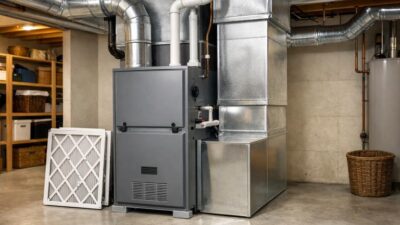
- Fall and Winter:As temperatures drop, homes often become more sealed to keep out cold air. This can result in trapped humidity and condensation. Make sure heating systems are in good shape, and look for drafts or cold spots that could encourage condensation on windows and walls.
In rainy or hurricane-prone regions, portable dehumidifiers and quick-drying after leaks or storms are highly recommended. Seasonal adjustments greatly reduce the risk of mold becoming a permanent problem in your home.
When to Seek Professional Help
While DIY solutions can manage small patches, some problems require expert intervention. If you detect mold that spans more than ten square feet, or if health issues persist despite your remediation efforts, it is prudent to call in professionals. Certified mold specialists have the tools and experience to handle large outbreaks safely and can identify hidden sources of contamination that may be out of sight but not harmless. Professionals do more than clean visible mold. They can test your air quality, suggest long-term fixes, and ensure that regrowth is unlikely, allowing you to return to a truly healthy home.
Conclusion
The effects of climate change have made mold prevention a critical part of responsible homeownership. By recognizing the key ways mold takes hold in changing weather, using practical prevention strategies, and knowing when to request expert assistance, you can safeguard your home and loved ones from both short- and long-term consequences of mold exposure. Stay vigilant, adapt with the seasons, and prioritize inspections and quick remediation for the healthiest home environment possible.