Mold in the home can be more than just an eyesore. It poses health risks and can damage your property’s structure if left unaddressed. Understanding simple strategies to prevent mold is important for your family’s safety and comfort. Addressing moisture sources and using mold remediation in the San Francisco Bay Area can help protect your living space from this invisible threat.
Mold typically grows in areas with excess moisture, which means bathrooms, kitchens, and basements are at higher risk. Even if you do not see any mold, it may be hiding behind walls or under carpeting, ready to grow when it finds enough moisture. Prevention only takes a few regular actions, but ignoring the risk can lead to bigger problems and expensive repairs. By controlling humidity, increasing airflow, and keeping the home clean, you make it harder for mold to form. You will also protect your family from conditions such as allergies, asthma, and respiratory infections, which are often linked to mold exposure. If you follow the guidance below, you can maintain a healthy and enjoyable home environment for years to come. If you live in communities that deal with frequent humidity or past water damage, being proactive is the best way to prevent issues. Quickly hiring a local professional for help with larger projects, such as mold remediation in Walnut Creek, can also prevent minor mold problems from becoming major ones.
Understanding Mold and Its Causes
Mold is a type of fungus that thrives in warm, damp, and humid places. It can develop inside walls, on ceilings, under carpets, and on personal belongings if conditions are right. The most common causes of mold growth are uncontrolled moisture from leaking pipes, flooding, or poor air circulation. Preventing mold starts with controlling moisture sources in all living spaces.
Maintaining Optimal Humidity Levels
Humidity is the amount of moisture in the air, and keeping it between 30% and 50% indoors is important for stopping mold before it starts. Use a simple device called a hygrometer to measure humidity. If levels are high, try running a dehumidifier, especially in basements or bathrooms. Drying clothes outside and fixing leaks quickly also help keep humidity in check.
Ensuring Proper Ventilation
Good airflow is key to stopping moisture buildup indoors. Open windows regularly when the weather allows, and make use of exhaust fans in the kitchen and bathroom to direct moist air outside. In rooms without windows, portable fans can help circulate air and prevent moisture from accumulating. Ventilation also helps furniture, carpet, and other materials stay dry.
Promptly Addressing Water Leaks
Hidden leaks from plumbing, roof damage, or appliance malfunctions can create the right conditions for mold to grow. Check your home regularly for signs of water, like stains on walls or ceilings, soft floors, or peeling paint. If you find a leak, fix it immediately, and dry the affected area completely. Pipes under sinks and behind bathroom walls are common places for slow leaks. Preventing leaks is often easier than dealing with a full mold cleanup later on.
Regularly Cleaning and Decluttering
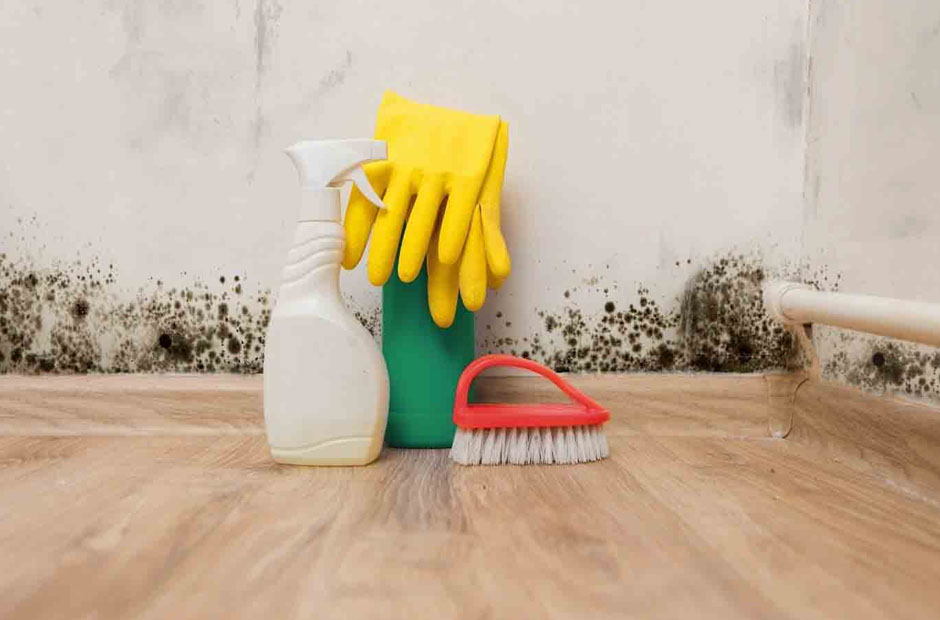
Cluttered, dusty spaces are ideal for mold because they trap moisture and prevent air from circulating. Cleaning regularly is one of the easiest ways to minimize risk. Focus on storage areas like closets, attics, and basements. Use plastic bins with tight-fitting lids to keep your belongings dry. If you find boxes or paper that are damp, dispose of them as soon as possible. The Environmental Protection Agency also suggests washing surfaces with soap and water to remove mold spores before they can grow.
Using Mold-Resistant Materials
Some building materials are made to resist moisture and mold growth. If you are renovating or repairing parts of your home, especially in bathrooms, kitchens, or basements, consider mold-resistant drywall, paints, or insulation. These products make it harder for mold to settle and spread. If you have had mold in a particular spot before, using these materials can help prevent future outbreaks.
Monitoring and Controlling Condensation
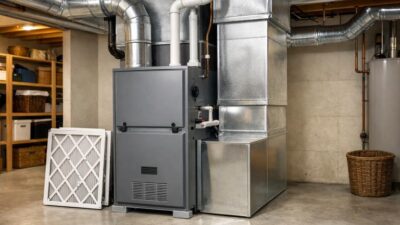
Condensation occurs when warm, moist air comes into contact with a cold surface, such as a window or a water pipe. This extra moisture can provide an environment where mold grows quickly. Watch for signs of condensation on windows, mirrors, and pipes, especially during cooler months. Reduce condensation by using double-pane windows, insulating pipes, and wiping down surfaces that get damp. Good ventilation and regular maintenance of heating and cooling systems also help.
When to Seek Professional Help
If you notice a strong musty smell or see mold covering a large area, it may be time to call a professional. Certified mold remediation specialists have the tools and experience to remove mold and identify hidden sources of moisture safely. They can also advise on any repairs needed to stop the problem from returning. Always act quickly so mold does not have a chance to spread further throughout your home. Taking these preventive steps not only helps avoid mold but also keeps your home cleaner and your air fresher. With regular maintenance, you can protect your family’s health and ensure your living space stays comfortable and safe.
Conclusion
Preventing mold growth requires a proactive approach focused on controlling moisture, improving ventilation, and maintaining a clean living environment. By monitoring humidity levels, promptly addressing leaks, reducing condensation, and using mold-resistant materials when possible, homeowners can significantly lower the risk of mold-related problems. Regular inspections and routine maintenance are essential for identifying potential issues before they become costly repairs or health concerns. While many mold prevention measures can be handled through simple household practices, it is important to seek professional assistance when mold growth is widespread or recurring. With consistent attention and preventive care, you can protect your home’s structure, improve indoor air quality, and create a healthier, more comfortable environment for your family year-round.