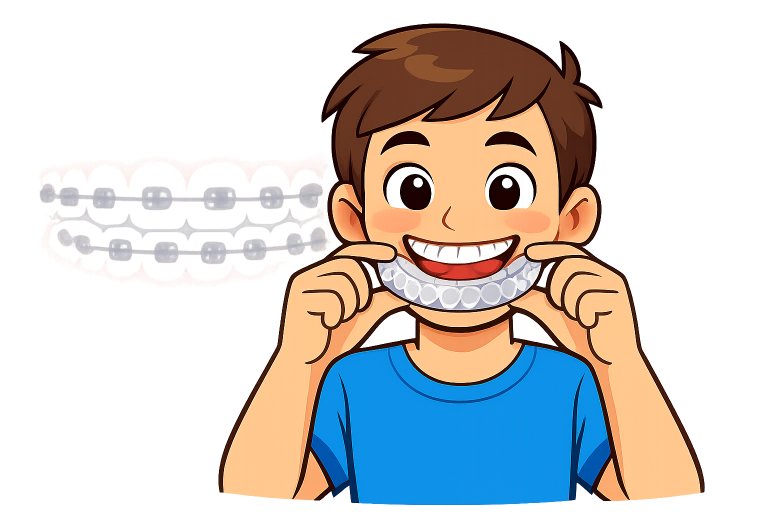
Clear aligners have rapidly transformed how orthodontic care is delivered, offering people a discreet and comfortable way to straighten their teeth. Whether for teenagers or adults, clear aligners are now a preferred alternative to noticeable metal braces. For those exploring treatment, understanding the advancements in these orthodontic devices and how they may benefit your dental health is crucial. To learn more about available options, visit the Orthodontic Clear Aligners Lab for information on lab-crafted solutions. This article reviews the evolving technology of clear aligners, focusing on innovations, clinical outcomes, and the trends shaping future orthodontic care. Patients and dental professionals alike benefit from staying informed about the latest developments in clear aligner therapy.
Introduction to Clear Aligners
Clear aligners are custom, transparent trays designed to shift teeth into optimal alignment gradually. Their appeal lies in their subtle appearance and their removability, making the treatment experience less intrusive for users. This has made clear aligners especially attractive for adults and teens who tend to be self-conscious about wearing traditional braces. Unlike braces, which use wires and brackets to move teeth, clear aligners use a series of precisely engineered trays tailored to a patient’s dental anatomy. Patients switch to a new set of trays every one to two weeks, each set moving the teeth incrementally closer to the final goal.
Technological Advancements in Clear Aligners
Technology has radically improved the efficiency and comfort of clear aligners. Developments like “shape memory” materials have been pivotal. For example, research at West Virginia University is exploring aligners manufactured from advanced polymers that maintain form and exert consistent pressure, leading to more predictable tooth movements. This innovation can potentially shorten overall treatment time while improving outcome precision. More information on these advancements can be found in this news report from West Virginia University. Another notable advancement is the adoption of digital impressions. Rather than taking messy molds, offices can use 3D scanners to capture a patient’s dental structure, improving comfort and enhancing the accuracy of aligner fabrication. As digital technology continues to integrate with orthodontics, the results achieved by clear aligners continue to improve.
Benefits of Clear Aligner Therapy
- Aesthetics:Clear aligners are virtually invisible, making them a popular choice for those mindful of their appearance during treatment.
- Comfort:The medical-grade plastic is smooth and less likely to irritate gums or cheeks compared to metal wires and brackets.
- Convenience:Clear aligners are removable, so patients can continue eating their favorite foods and maintain their regular brushing and flossing routines without obstacles.
Treatment Planning and Customization
Modern clear aligner therapy leverages advanced 3D imaging technology for individualized treatment planning. With digital scans and imaging software, orthodontists can visualize expected tooth movements and simulate results. This level of customization optimizes treatment efficiency and ensures that care is tailored to each patient’s unique dental structure, leading to better, faster outcomes.
Patient Compliance and Success Rates
One of the most significant factors influencing the success of clear aligner therapy is patient compliance. Orthodontists recommend wearing aligners for 20 to 22 hours daily to achieve the best results. Studies show that patients who follow this directive closely are far more likely to meet their treatment goals as planned. The flexibility to remove aligners is a great benefit, but it also requires patients to exercise self-discipline. Research published by the American Association of Orthodontists highlights the positive correlation between patient adherence and successful treatment outcomes.
Cost Considerations and Insurance Coverage
The cost of clear aligner therapy varies by provider, case complexity, and geographic region. On average, treatment costs range from $3,000 to $8,000. Many dental insurance plans cover aligner therapy, with average contributions of $1,000 to $2,000. However, coverage specifics vary, so patients should consult both their orthodontist and their insurance provider to clarify benefits and out-of-pocket costs. Financing options are also frequently available to ease cost burdens.
Future Trends in Clear Aligner Therapy
Ongoing innovation continues to drive the field forward. The introduction of 3D-printed aligner attachments, such as those developed by Solventum, promises even greater precision and durability. These attachments enhance the grip of aligners on teeth, enabling more complex movements and expanding the range of cases that can be successfully treated with aligners. You can learn more about this breakthrough in this press release about 3D-printed aligner attachments. Artificial intelligence is another area shaping the future of aligner therapy, with AI-powered software helping orthodontists plan treatments more accurately and monitor progress remotely. This technology may soon enable real-time adjustments to treatment plans, improving both outcomes and convenience.
Conclusion
Clear aligner technology has made tremendous strides in recent years, providing a comfortable, effective, and aesthetically pleasing alternative to traditional orthodontics. As innovation continues, patients will find even more benefits, options, and improved results. Staying current with these advancements enables patients to make more informed decisions about their orthodontic care and maintain long-term dental health.