The back room fills up faster than anyone expects. Boxes get stacked in corners, equipment gets pushed aside “just for now,” and before long, people are working around the clutter instead of fixing it.
This is common in small offices, warehouses, and even retail spaces where every square foot is supposed to count. The problem is rarely a lack of space in the beginning. It builds slowly, almost quietly, until it starts affecting how people move, how they work, and how much time gets wasted looking for things that should have been easy to find.
The Quiet Cost of Poor Planning
Most businesses do not notice storage problems until they start costing time. It shows up in small ways. Employees spend extra minutes searching for tools. Deliveries get delayed because items are not where they should be. It does not feel like a big issue at first, but over weeks and months, those small delays add up.
There is also the matter of space being used inefficiently. Expanding into a larger facility is often considered before fixing the layout of the current one. It is easier to think about moving than reorganizing. But in many cases, the problem is not the size of the space. It is how the space is being used, or not used.
Flexible Storage Options That Scale with Business Needs
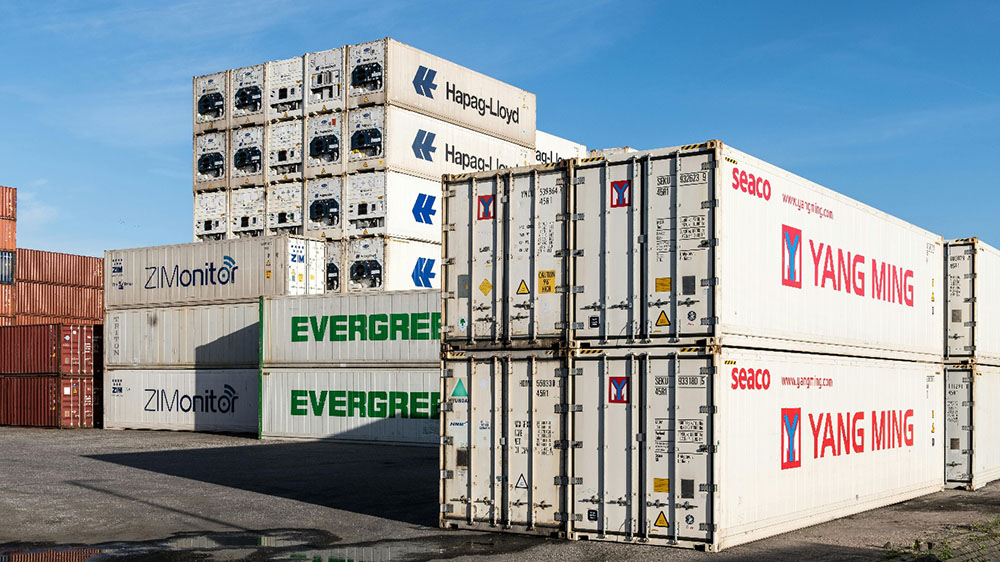
Businesses have started to look for storage that can adjust as things change, rather than staying fixed and rigid. This is where modular solutions come in. They can be added when needed, moved when priorities shift, and sometimes even removed when they are no longer required. For this reason, many companies look online for shipping containers for sale. The appeal is not just flexibility. It is control. Instead of committing to permanent construction or long-term leases, companies can respond to demand in a more measured way. It reduces risk, especially in industries where workload can change from one quarter to the next.
These units are often used for inventory, equipment, or overflow storage that does not need to sit inside the main workspace. It is a practical option that fits into longer-term thinking about space and cost. It is not always the first idea people have, but once considered, it tends to stay in the discussion.
Why Ownership Is Being Reconsidered
There used to be a clear line between renting and owning storage. Renting felt flexible but temporary, while owning meant commitment. That distinction still exists, but the thinking around it has changed a bit.
Owning storage is now being looked at more like owning equipment. It is something that supports operations directly. If a business knows it will need consistent storage over time, then ownership can make sense. The upfront cost is higher, but it removes ongoing rental fees and gives more control over how the unit is used.
At the same time, renting still has its place. Short-term projects, seasonal demand, or uncertain growth patterns make rental options useful. The key is not choosing one over the other blindly, but understanding where each fits.
Changing Work Patterns and Their Impact
Workplace behavior has shifted in ways that are not always obvious. More businesses are dealing with mixed operations. Part of the team may be remote, while physical inventory still needs to be managed on-site. That creates a gap between digital work and physical space. Storage becomes the bridge in that situation. It holds the physical side of the business together while the rest operates more flexibly. If that storage is not organized or accessible, the disconnect becomes more noticeable.
There is also a trend toward smaller main offices with distributed storage. Instead of keeping everything in one place, businesses spread out their assets. It reduces pressure on a single location but requires better coordination. Storage solutions that can be placed where needed help make that possible.
Cost Control Without Obvious Cuts
Businesses often look for ways to reduce costs without affecting performance. Storage is one area where this can happen, but it is not always approached that way. The focus tends to be on rent, salaries, or supply costs.
Improving storage can reduce costs indirectly. Better organization leads to less time wasted. Fewer lost or damaged items mean less replacement spending. Even energy costs can be affected if space is used more efficiently. It is not a dramatic change. It does not show up as a single big saving. But over time, it contributes to smoother operations, which is where real value tends to build.
The Role of Mobility in Modern Storage
One thing that stands out is the need for mobility. Businesses do not always stay in one place anymore. Projects move. Teams shift locations. Even supply chains change depending on demand and external factors.
Storage that can move with the business becomes more useful in this environment. It reduces the need to rebuild or reorganize from scratch each time something changes. Instead, the storage itself becomes part of the flexible system. This is especially relevant for industries like construction, retail pop-ups, or event-based businesses. They need solutions that follow their workflow, not the other way around.
Practical Thinking Over Perfect Planning
Not every decision needs to be perfect. In fact, waiting for the perfect setup often delays improvements that could have been made earlier. It is usually better to start with something that works and adjust over time.
Businesses that treat storage as an ongoing process, rather than a one-time setup, tend to handle growth better. They are more willing to change layouts, add units, or remove what is no longer needed. It keeps the system from becoming outdated. There is also less resistance to small changes. Instead of a major overhaul, adjustments happen gradually. That approach feels more manageable, especially for teams already dealing with other operational pressures.
Storage used to be something businesses dealt with once everything else was set up. It came later, almost as an afterthought. That approach does not hold up well anymore. Now, it is being considered earlier in the planning process. It is tied to workflow, efficiency, and even customer experience. This shift explains why storage solutions are being treated as investments rather than expenses. They support the way work gets done. They reduce friction. And they adapt as the business changes, which is something fixed systems struggle to do. It is not about having more space. It is about using space in a way that actually works.