Garages and basements tend to fall low on the list of routine home maintenance priorities. Most homeowners focus on living spaces, kitchens, and bathrooms, while these lower-traffic areas quietly collect clutter and go unchecked. Over time, that neglect can create the perfect conditions for pests to settle in. These spaces often have greater exposure to the outdoors, weaker sealing, and higher humidity, all of which increase the risk of infestation.
In places like McKinney, Texas, where warm temperatures and seasonal humidity create ideal breeding conditions for insects and rodents, these risks become even more relevant. A small crack in a foundation or a damp corner in the basement can quickly escalate into a larger issue if left unchecked. Local pest activity tends to spike during seasonal transitions, making early prevention even more important. Homeowners who understand these patterns are better equipped to protect their property before problems escalate.
The Hidden Vulnerabilities: Why Garages and Basements Attract Pests
Garages and basements naturally provide the kind of environment pests prefer. These areas are darker, quieter, and less frequently disturbed than the rest of the home. Pests tend to avoid high-traffic spaces, so they settle where they can move freely without disruption. When homeowners rarely inspect these zones, small issues can grow unnoticed.
Another factor is direct access to the outdoors. Gaps around garage doors, foundation cracks, and poorly sealed vents create easy entry points. Many homeowners try to handle the issue with basic traps or sprays, but these methods often address only the visible problem and not the source of the infestation. When pests keep returning or spread beyond control, it becomes important to consider more comprehensive solutions. If you are looking for services like pest control McKinney has many professionals who have years of experience.
Moisture Management: Why Damp Spaces Invite Infestations
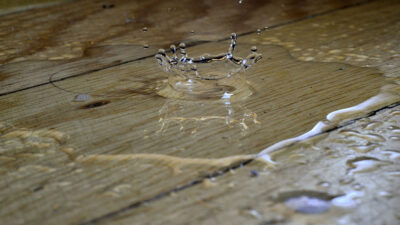
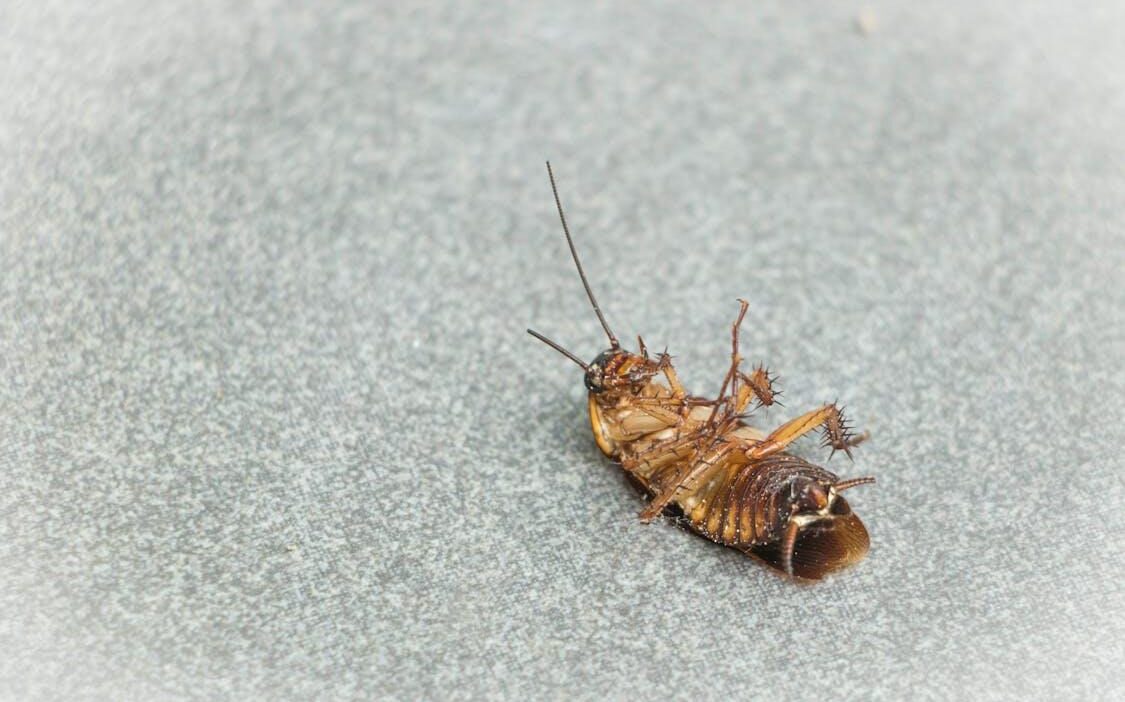
Moisture plays a major role in attracting pests, especially in basements. Even a small amount of moisture can create a suitable environment for insects such as silverfish, cockroaches, and centipedes. These pests thrive in humid conditions and often settle near water sources such as pipes, drains, or poorly ventilated corners.
Homeowners sometimes overlook minor leaks or condensation, assuming they are harmless. Over time, however, consistent moisture levels build up, increasing the likelihood of infestation. Simple steps like repairing leaks, improving ventilation, and using a dehumidifier can make a noticeable difference. Keeping humidity under control removes one of the main factors that pests depend on to survive.
Entry Point Audits: Finding and Sealing Access Points
Pests rarely appear without a way in. In many cases, they enter through small cracks or gaps that are easy to miss during a casual inspection. Foundation lines, window edges, and utility openings are common problem areas. Even a tiny opening can be enough for insects or rodents to squeeze through and establish a presence inside.
Conducting a thorough audit of these entry points is one of the most effective prevention strategies. Homeowners should check for worn weather stripping, gaps under garage doors, and unsealed openings around pipes or cables. Sealing these areas with caulk, foam, or proper insulation helps block access and reduces the chances of pests entering in the first place.
Storage Best Practices: Eliminating Nesting Opportunities
Storage habits play a bigger role in pest prevention than many homeowners realize. Garages and basements often become dumping grounds for unused items, and clutter creates hidden spaces where pests can settle. Cardboard boxes are especially problematic because they provide both shelter and a food source for certain insects.
Switching to sealed plastic containers is a simple but effective upgrade. It protects your belongings while removing materials pests rely on for nesting. Keeping items off the floor and maintaining clear pathways also helps you spot early signs of activity. A more organized space is easier to monitor and much less inviting to unwanted guests.
Common Seasonal Invaders: What to Watch for Year-Round
Pest activity varies with the seasons, and garages and basements are often the first points of entry. During colder months, rodents look for warmth and shelter, making these spaces ideal for nesting. They can chew through materials and create damage before you even notice their presence.
In warmer seasons, insects become more active and move indoors in search of food and moisture. Ants, spiders, and termites are common examples. Understanding these seasonal patterns allows you to act early. A quick inspection at the start of each season can help you stay ahead and reduce the chances of a full infestation.
Landscaping and Exterior Factors That Influence Indoor Pests
What happens outside your home directly affects what happens inside. Overgrown plants, stacked firewood, and debris near the foundation can serve as easy access points for pests. These elements create a bridge that allows insects and rodents to move from the yard into your garage or basement.
Proper drainage is just as important. Water that collects near the foundation increases indoor moisture levels, especially in basements. Trimming vegetation, keeping the perimeter clean, and ensuring water flows away from your home can significantly reduce pest pressure. A well-maintained exterior supports everything you do inside.
A Prevention Checklist: Simple Steps for Every Season
Staying consistent with maintenance is the key to long-term pest prevention. Regular inspections help you catch small issues before they turn into bigger problems. Look for cracks, leaks, or signs of activity and address them quickly to avoid escalation.
Simple habits make a strong impact. Keep spaces clean, limit clutter, and store items properly. Check door seals, monitor humidity levels, and schedule seasonal checkups if needed. When these steps become routine, they create a reliable system that keeps garages and basements protected year-round.
Building a Cleaner, More Secure Home Environment
A pest-free garage and basement contribute to more than just comfort. They support the overall health and structure of your home. By managing moisture, sealing entry points, and improving storage habits, you reduce the conditions pests depend on to survive.
These areas may not get daily attention, but they play an important role in home maintenance. With a proactive approach, you can keep them clean, organized, and protected. Small, consistent efforts lead to lasting results and help you maintain a home that feels secure and well cared for.