Key Takeaways
- Traumatic Brain Injuries (TBIs) are a significant public health concern, affecting millions annually.
- Recovery from TBIs varies widely and is influenced by injury severity as well as individual factors.
- Preventive measures can significantly reduce the risk of sustaining a TBI.
Understanding Traumatic Brain Injuries
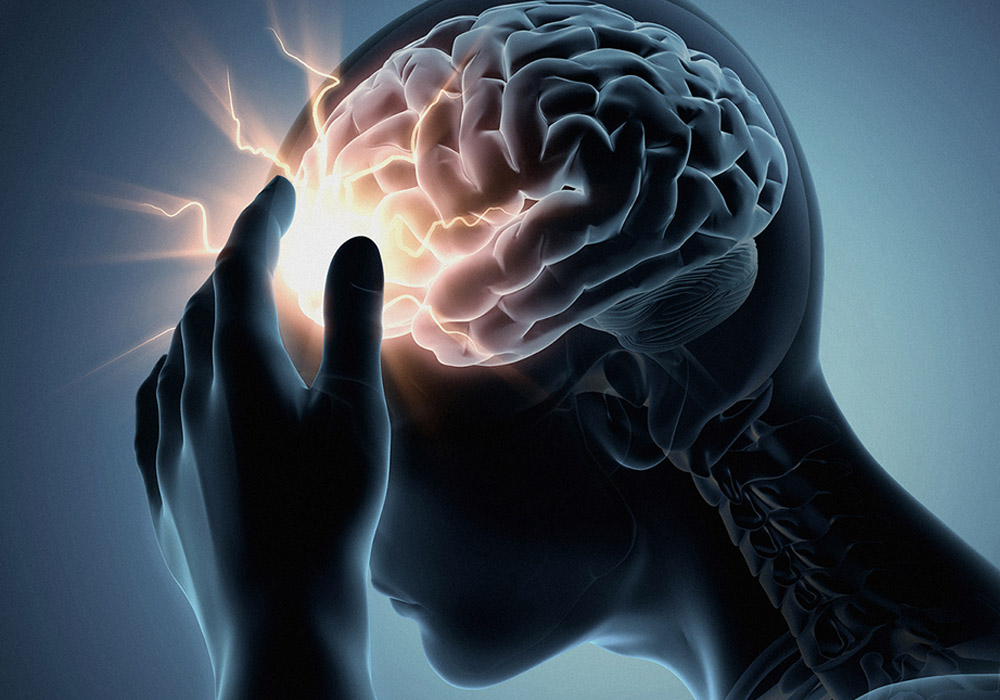
Traumatic Brain Injuries occur when an external force injures the brain, disrupting normal brain function. These injuries can result from various incidents, with falls, vehicle collisions, and sports injuries being the most common causes. The severity of TBIs ranges from mild concussions to severe brain damage, and each case presents differently based on the nature and extent of the trauma.
Anyone, regardless of age or lifestyle, can experience a traumatic brain injury. Recovery outcomes often depend not just on the initial injury but also on the quality of immediate and ongoing care. For those in need of legal representation following such injuries, consulting a brain injury attorney in Los Angeles, CA can help ensure victims receive the support and compensation they deserve.
Prevalence and Impact
According to data from the Centers for Disease Control and Prevention (CDC), traumatic brain injuries remain one of the leading causes of death and disability in the United States. In 2021, there were over 69,000 TBI-related deaths nationwide, which equates to nearly 190 deaths every single day. The impact of TBIs is far-reaching, affecting the injured individuals, their families, and the broader community. Disabilities caused by TBIs often lead to long-term medical and financial burdens that can be challenging to manage.
TBIs do not discriminate and can impact people of all ages, but older adults and young children are at a higher risk due to falls and other accidents. Besides the immediate threat to life, survivors often face a long road to recovery and can be left with lasting deficits.
Recovery Paths and Challenges
Recovering from a traumatic brain injury can be a complex and prolonged process. The trajectory of recovery largely hinges on the severity of the injury and the individual’s health status prior to the incident. Mild TBIs, such as concussions, may resolve in a matter of weeks with rest and proper management. In contrast, moderate to severe brain injuries frequently require specialized rehabilitation programs encompassing physical therapy, occupational therapy, and psychological counseling.
In addition to physical challenges, TBI survivors can also face cognitive and emotional hurdles such as memory loss, mood swings, and impaired decision-making abilities. Family members and caregivers play a pivotal role in supporting recovery, and access to comprehensive rehabilitation resources is critical. Organizations such as the Mayo Clinic provide extensive guides on managing ongoing symptoms and maximizing recovery.
Long-Term Effects
The long-term effects of TBIs extend beyond the initial physical injury. Survivors may deal with persistent cognitive impairments, difficulty with concentration, and issues with emotional regulation. In addition, recent research indicates a heightened risk of developing neurodegenerative diseases such as Alzheimer’s and Parkinson’s among those who have experienced one or more TBIs.
The University of Utah Health points out that life after a TBI can be marked by changes in mobility, the ability to work or go to school, and challenges in maintaining relationships and independence.
Prevention Strategies
Preventing traumatic brain injuries should be a top priority for individuals and communities. There are several practical steps people can take to reduce their risk:
- Always wear properly fitted helmets during activities like biking, skateboarding, or contact sports.
- Use seat belts consistently while driving or riding in a car.
- Implement fall prevention strategies at home, such as securing loose rugs, installing grab bars in bathrooms, and ensuring adequate lighting, especially for older adults.
- Maintain safe environments in workplaces and recreational settings to minimize exposure to hazards that can cause head injuries.
By following these measures, the risk of traumatic brain injuries can be dramatically decreased, particularly for vulnerable populations such as children and seniors.
Recent Research and Developments
Ongoing research continues to shed light on the link between head injuries and long-term health impacts. For example, scientists at the University of Virginia recently discovered that even mild head injuries can increase the risk of developing Alzheimer’s disease later in life.
This new understanding underscores the critical need for early intervention, regular monitoring, and proactive prevention strategies.
Conclusion
Traumatic Brain Injuries remain a significant challenge, both for affected individuals and for society as a whole. By understanding TBIs, recognizing their widespread impact, supporting robust recovery methods, and prioritizing prevention, people can help lessen their frequency and severity.
Staying vigilant and proactive, whether through legal support or injury prevention, offers the best path towards protecting yourself and others from the devastating effects of traumatic brain injuries.