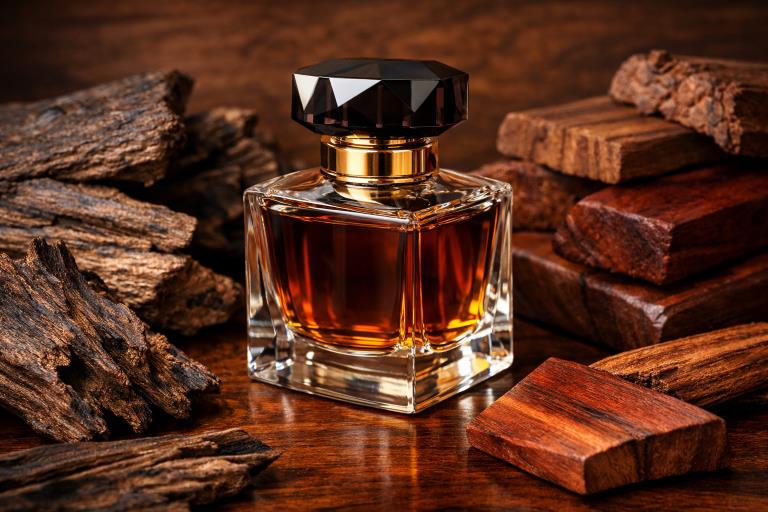
In the world of perfumery, rare woods play a remarkable role in shaping a fragrance’s character and elegance. The fine art of utilizing these unique ingredients is a testament to the tradition, artistry, and innovation that define contemporary scent creation. These exotic woods offer more than just earthy undertones; they evoke emotions, capture dreams, and impart a sense of timeless luxury to each bottle. Within the first encounter, rare woods like oud, sandalwood, and mahogany reveal a tapestry of aromas, often complemented by intriguing accents like a metallic accord perfume, that make every fragrance genuinely unique.
For centuries, rare woods have been cherished for their complexity and cultural significance. Modern perfumers blend these woods with synthetic notes and novel accords to push creative boundaries while still honoring tradition. The pursuit of rare wood essences remains a journey of both heritage and discovery, where mastery lies in balance and boldness. Whether used as a dominant theme or an anchor at the base of a scent, these materials are key to the aura and complexity of modern fragrances.
Oud: The ‘Liquid Gold’ of Perfumery
Oud, also called agarwood, is revered across perfumery as one of the most luxurious and rare raw materials available. Formed when Aquilaria trees react to particular molds, oud’s deep, resinous aroma is a complex blend of smoky, sweet, and woody facets. This ingredient, often dubbed “liquid gold,” is treasured not only for its hypnotic scent but also for the cultural tradition it carries throughout the Middle East and Southeast Asia. The intensive harvesting process and its rarity make oud one of the world’s priciest fragrance notes, said to add depth, mystery, and endless sophistication to perfumes. For more on oud’s cultural significance, visit The New York Times.
Sandalwood: Creamy and Sensual
Sandalwood stands as the epitome of creamy smoothness in perfumery. With a milky, soft aroma, sandalwood adds not only sensual undertones but also a comforting warmth to dozens of perfumes. Traditionally sourced from India, its oil is prized for its versatility, as it seamlessly enhances floral, spicy, and even sweet notes. Sandalwood’s nutty warmth provides a stable, enduring base, ensuring the fragrance lingers soothingly on the skin long after application. Modern ethical concerns have led to increased interest in sustainable planting, particularly in Australia and Hawaii, to secure the future of genuine sandalwood for both perfumery and aromatherapy.
Rosewood: Floral and Spicy
Rosewood brings a distinct combination of floral subtleties and gentle spice to the perfume world. Famed for its slightly sweet, woody undertone, it is often blended to create nuanced, balanced floral or woody scents, rounding out the composition with a hint of exotic sweetness. Although Brazilian rosewood has become exceedingly rare due to overharvesting, perfumers still seek ways to recreate its effects through sustainable alternatives or reconstitution, keeping this elegant profile alive in modern formulations.
Agarwood: The Essence of Mystery
Agarwood, closely related to oud, further intensifies the sense of luxury in a fragrance with its multi-layered, resinous, and smoky bouquet. Its fragrance is described as intoxicating, often evoking a meditative, almost sacred sensation. Agarwood’s scarcity elevates its value and allure, making it central to many high-end luxury fragrances designed for connoisseurs who appreciate its unparalleled mystique.
Mahogany: Rich and Earthy
Mahogany offers a robust, earthy profile that grounds a perfume with rich warmth and subtle bitterness. Widely favored for men’s colognes, mahogany extracts bring a sense of timelessness and gravitas to compositions that demand solidity and depth. The unique earthiness also integrates beautifully with spicy or citrusy notes, making it a favorite among perfumers looking to add dimension to their creations.
Cedarwood: Crisp and Invigorating
Cedarwood is instantly recognizable for its clean, crisp scent, which adds an invigorating quality to the base of both men’s and women’s fragrances. Its alluring dryness, with hints of balsamic sweetness, provides exceptional versatility. Cedarwood essential oils are often used not only in perfumery but in aromatherapy for their calming and uplifting effects, as documented by Healthline.
The Art of Blending Rare Woods
Blending rare woods is a highly nuanced craft, demanding an understanding of each wood’s character and potential interactions. Master perfumers might layer smoky oud beneath silky sandalwood or spark crispness with cedarwood, always striving for an elegant harmony. The inclusion of woods with floral, spicy, or gourmand elements turns a perfume into an olfactory story that unfolds gradually with wear. This craftsmanship demonstrates why rare woods are so integral to the development of new and lasting scent identities.
Sustainability in Harvesting Rare Woods
The increased demand for rare woods poses significant sustainability challenges. Deforestation and overharvesting have threatened entire species, pressing fragrance houses to pursue rigorous conservation efforts. Companies increasingly invest in sustainable plantations, ethical sourcing, and even lab-created alternatives, ensuring these precious resources endure for generations. Transparent supply chains and consumer awareness are also vital in promoting responsible use of rare woods in luxury perfumery, as outlined in recent coverage by Vogue.
Rare woods remain central to the soul of modern perfumery, infusing each scent with depth, complexity, and a luxurious signature that appeals to collectors and everyday enthusiasts alike. Their continued presence in both classic and avant-garde compositions is a testament to their enduring allure and the innovative spirit of contemporary fragrance creation.