Key Takeaways
- Eco-friendly lawn care bolsters soil health and nurtures wildlife habitats.
- Choosing local and native plants lowers maintenance and resource usage.
- Changing watering and mowing routines can drastically reduce environmental impact.
Maintaining a beautiful yard doesn’t have to strain the environment. By embracing sustainable lawn care, homeowners can cultivate stunning, thriving landscapes while minimizing their ecological footprint. From thoughtful mowing to using Virginia landscaping companies experienced in eco-friendly practices, it is possible to achieve both beauty and sustainability.
Adopting a greener approach to lawn care also supports native biodiversity and helps homeowners conserve resources. Sustainable methods not only enhance curb appeal but also support the well-being of local wildlife and create a resilient yard that withstands environmental stresses. Simple choices, such as switching to natural fertilizers and choosing the right plants, lead to healthier outdoor spaces and a more sustainable community. The shift to sustainable lawn practices is increasingly crucial as communities face water shortages and habitat loss. By making informed decisions, families can play an active role in stewardship of their own backyards and beyond. Not only does sustainable landscaping make sense for the environment, but it also yields a dependable and lively yard for years to come.
Mowing Practices for a Healthier Lawn
The way you mow your lawn directly impacts its health and ecological value. Raising the mower blade height allows grass to grow taller, encouraging the development of deeper, stronger root systems that are better equipped to resist drought. Cutting less frequently, and at the proper height, lowers stress on your lawn and reduces the need for supplemental watering and chemical treatments.
Leaving grass clippings on the lawn is a simple way to recycle nutrients, naturally fertilizing the soil as they break down. This practice not only promotes greener grass but also helps retain soil moisture and suppresses weed growth. For a deeper look at broader trends in environmentally friendly lawn management, the Environmental Protection Agency offers valuable guidance on sustainable lawn care.
Watering Wisely to Conserve Resources
Efficient watering is a cornerstone of sustainable lawn care. Rather than watering lightly every day, focus on deep, infrequent irrigation. This encourages roots to penetrate deeper into the soil, resulting in grass that is more drought-tolerant and healthier in the long term. Timing is equally important. Water your lawn early in the morning, ideally before 10 a.m., so water has a chance to reach the roots before it evaporates in the midday sun. Consider installing a rain sensor or a drip irrigation system to reduce unnecessary water use and foster a greener lawn with less water.
Embracing Native Plants and Reducing Lawn Area
One of the most effective ways to create a sustainable landscape is to introduce native plant species. These plants are adapted to the local climate and soil, requiring less water and fewer fertilizers, and providing critical habitat for pollinators and other native wildlife. By converting some lawn areas to beds of native perennials, shrubs, and grasses, you can significantly cut down on maintenance while also increasing your yard’s resilience to pests and diseases. Consider replacing traditional turfgrass with meadowscapes or incorporating ground covers as alternatives. The National Wildlife Federation offers helpful information about the benefits of using native plants in home landscapes.
Organic Fertilization and Natural Weed Control
Switching to organic fertilizers sustains long-term lawn vitality and minimizes environmental pollution. Organic options, such as compost or slow-release blends, provide nutrients gradually, encouraging microbial life and robust root systems. Coupling this with natural weed control methods, like mulching and hand-pulling weeds, eliminates the need for harsh chemical herbicides, protecting beneficial insects and local waterways.
Supporting Local Wildlife Through Lawn Care
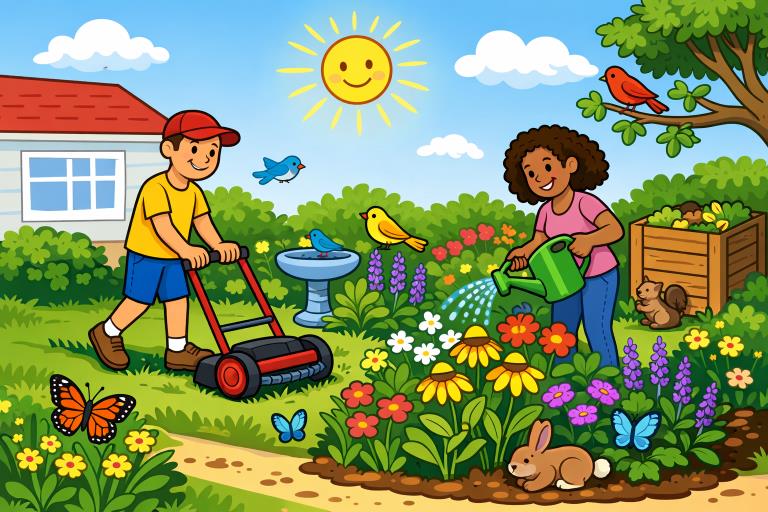
Designing your yard to support wildlife has both environmental and aesthetic rewards. Incorporate a variety of flowering plants, shrubs, and trees that provide nectar, pollen, and habitat for beneficial insects and birds. Leave some areas unmown or plant wildflowers to create safe havens for bees and butterflies. Even small changes, like installing bird feeders or bee hotels, can transform an ordinary lawn into a thriving ecosystem that benefits your entire community.
Composting and Mulching for Soil Health
Composting yard waste such as leaves, grass clippings, and vegetable scraps returns valuable nutrients to the soil and reduces landfill waste. Spread finished compost over your lawn in a thin layer, or use it to enrich planting beds. Mulching with organic materials, such as wood chips or shredded leaves, helps the earth retain moisture, regulate temperature, and suppress weeds, all while building rich, healthy soil over time.
Sustainable Hardscaping Choices
Hardscape features such as walkways, patios, and driveways can be both stylish and sustainable. Choosing permeable materials lets rainwater soak into the ground rather than contributing to runoff. Stones, gravel, or permeable pavers all help with water management and can complement natural plantings beautifully. Using materials sourced locally reduces the carbon footprint of your landscaping project and supports regional businesses.
Getting Started with Sustainable Lawn Care
Start by evaluating your current lawn care routines and identifying opportunities for change. Gradually introduce new practices such as adjusting your mowing height, shifting to natural fertilizers, or planting native species. Each small step adds up over time, resulting in a vibrant, low-maintenance, and environmentally friendly yard. For those not sure where to begin, consulting with experts in sustainable landscaping can provide tailored advice to transform your outdoor space. By embracing sustainable lawn care, homeowners can enjoy beautiful spaces that foster ecological health and conserve valuable resources for future generations.
Conclusion
Sustainable lawn care offers a practical way to maintain a beautiful yard while protecting the environment. By adopting eco-friendly mowing and watering practices, incorporating native plants, and reducing reliance on chemicals, homeowners can significantly improve soil health and conserve valuable resources. Composting, mulching, and thoughtful hardscaping choices further enhance sustainability, support local wildlife, and reduce environmental impact. With gradual changes and consistent care, any yard can become a healthier, more resilient outdoor space that benefits both the homeowner and the surrounding ecosystem for years to come.