Key Takeaways
- Publishing projects empower students by giving them a real audience for their work.
- Various platforms and tools are available to facilitate student publishing.
- Incorporating publishing into the curriculum can improve literacy and engagement.
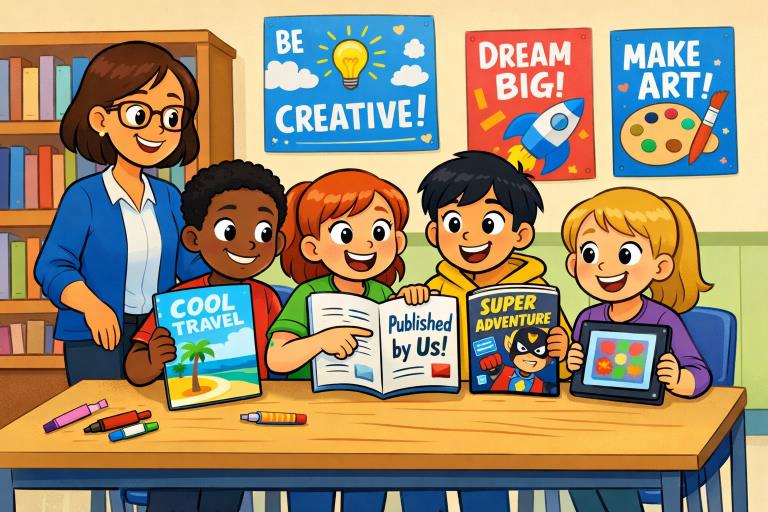
Introducing publishing projects into the classroom offers a powerful way to unleash student creativity, foster writing skills, and encourage collaboration. When students know their work will reach a real audience, they become more motivated and invested in the writing process. Giving students a platform, such as https://studentreasures.com, allows them to see themselves as published authors, building pride and self-confidence while reinforcing literacy skills.
Educators can leverage a range of publishing formats to transform traditional assignments into dynamic, creative experiences. Whether students are sharing stories, poems, essays, or digital projects, the chance to publish adds purpose to their work. This tangible goal makes the writing process more meaningful and demonstrates the value of students’ unique voices and perspectives.
The impact of publishing extends far beyond basic skill development. By publishing their work, students engage in authentic communication, develop critical thinking, and learn how to provide and respond to constructive feedback. These skills promote lifelong learning and encourage students to become more active participants in their education.
Opportunities for publishing also help cultivate a supportive classroom culture. When students share their creative pursuits, they learn to value and respect one another’s ideas, fostering a sense of ownership and collaboration. Educators who integrate publishing into their curriculum ignite students’ imaginations and create a vibrant environment for creativity to flourish.
Benefits of Student Publishing
Having students publish their writing is an effective way to connect classroom learning with real-world application. Publishing can elevate motivation levels as students rise to the occasion of writing for actual readers. A study noted by Edutopia shows that students who write with an audience in mind often produce more thoughtful and careful work. Publishing also builds confidence, especially for reluctant writers, as they experience pride in sharing their accomplishments and seeing their names in print.
Classroom Magazines
Creating a classroom magazine turns student work into a collaborative publication. This process mimics professional editorial workflows, with students taking on roles as writers, editors, illustrators, and designers. Classroom magazines can highlight current events, student interests, book reviews, and original artwork.
Digital Storytelling
Digital storytelling empowers students to blend their writing with technology. Whether they are creating podcasts, video essays, or interactive web stories, students learn to express their ideas through multiple formats. This process develops digital literacy and allows students to experiment with creative approaches that deepen comprehension of both content and technology. The National Geographic Digital Storytelling Guide offers valuable tools and inspiration for incorporating digital projects into the classroom.
Creative Writing Anthologies
Compiling student poems, short stories, or personal essays into a class anthology provides a meaningful platform for young authors. Projects like these highlight diverse voices and themes, making students feel heard and valued. Programs such as 826 Valencia have demonstrated how publishing anthologies elevates writing quality and supports students in developing a sense of authorship and pride in their work.
Comics Creation
Comics offer a unique way for students to tell stories visually. Comic creation encourages narrative structure, character development, and the integration of artistic skills. Educators can introduce digital tools or simple hand-drawn methods depending on resource availability. Integrating comics into lessons has been shown to help struggling writers and visual learners engage more deeply with storytelling concepts.
Collaborative Online Projects
Participating in online, collaborative publishing projects expands students’ digital literacy and global awareness. Projects like the Flat Classroom Project connect classrooms across continents, helping students learn how to work in diverse groups, exchange cultural perspectives, and engage in co-authorship. These experiences give students valuable practice with digital collaboration, an essential skill for future academic and professional environments.
Utilizing Digital Platforms
Modern publishing often involves digital platforms that allow students to curate multimedia exhibits or digital galleries. Tools such as Omeka S make it possible for classes to organize research projects, historical collections, or multimedia portfolios. University programs and platforms like the Sherman Centre at McMaster University provide examples of how digital publishing can be leveraged for student learning while making resources available to a wider audience.
Conclusion
Integrating publishing projects into the classroom transforms the student learning experience. With opportunities to create magazines, digital stories, anthologies, or comics, students develop a diverse set of skills that extend into academic and personal success. Educators can support students by introducing a variety of publishing platforms and encouraging them to share their unique voices with pride. Ultimately, publishing projects foster critical thinking, creativity, and a lifelong love of writing.