Key Takeaways:
- Implementing structured routines and visual schedules can enhance daily independence.
- Encouraging self-care skills through step-by-step guidance builds confidence.
- Utilizing assistive technologies and community programs supports skill development.
Understanding the Importance of Independence
Achieving independence is a transformative journey for every child, especially for those on the autism spectrum. When children with autism develop self-sufficiency, their confidence grows, and their quality of life improves. For many families, this process involves commitment, patience, and the support of professionals, such as those at an ABA Therapy clinic in Raleigh, NC. Parents and caregivers are fundamental to helping children gain autonomy by teaching new skills, encouraging practice, and celebrating achievements along the way.
Independence in children with autism not only leads to greater self-esteem but also decreases reliance on others for everyday tasks. The ability to perform personal and social tasks without assistance makes it easier to navigate school, home life, and eventually adulthood. Effective strategies and consistent encouragement create the foundation for a lifetime of personal growth.
Establishing Structured Routines
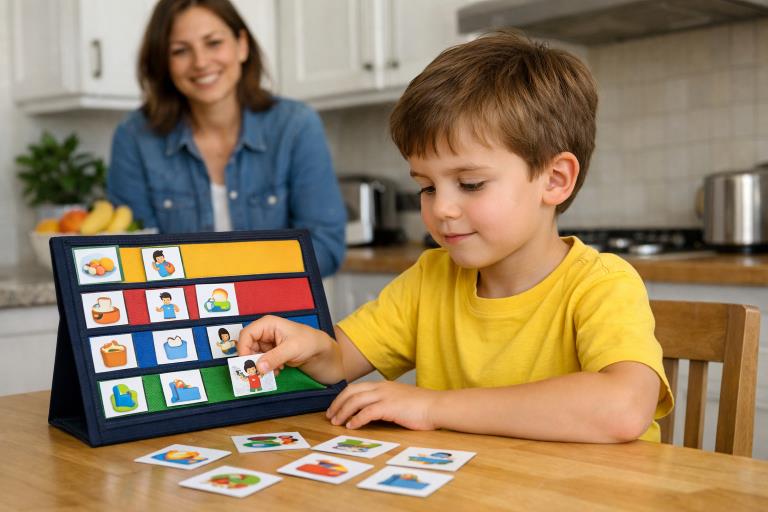
Consistency provides comfort, particularly for children with autism who may feel anxious when their environment is unpredictable. Building daily routines helps children understand what is expected of them, easing transitions and reducing distress. One of the most effective tools for this is the visual schedule, which might include picture charts placed around the home or user-friendly scheduling apps.
When routines are visually outlined, children can reference them independently, decreasing the need for repeated verbal reminders from adults. According to Autism Speaks, these schedules make it easier for children to anticipate and move between tasks throughout the day, which is especially beneficial in busy household settings.
Teaching Self-Care Skills Step by Step
Encouraging independence starts with mastering daily living skills. Breaking down tasks, like brushing teeth or getting dressed, into smaller, sequential steps helps children learn systematically and reduces frustration. Start by modeling each step, provide clear cues, and gradually fade assistance as the child’s skills increase.
Adaptive products, such as specially designed clothing, can also simplify these tasks. For example, a mother developed a clothing line to help children with autism dress independently, an approach that is now recognized as a valuable resource for promoting both dignity and self-reliance. Read more about this inspiring initiative and the growing field of adaptive resources for special needs families.
Utilizing Assistive Technologies
Technology has the power to level the playing field for children with autism. Communication apps, interactive learning games, and even socially assistive robots are now being tailored to encourage skill-building and independence. Devices can facilitate daily routines, remind children of schedules, or help them express needs when words are hard to find.
Recent advancements are especially promising. Research highlights how socially assistive robots can support the development of social and autonomous skills in children on the spectrum. To learn more, visit this overview of robotics in autism therapy.
Encouraging Social Interaction
Social confidence is a vital part of independence. When children connect with peers and participate in group activities, they practice essential communication and cooperation skills. Opportunities like group sports, arts programs, or community classes make learning these skills both natural and fun.
One creative example comes from New York City, where medical students launched a free ballet course tailored for children with autism. By moving together in a group and expressing themselves through music and dance, the children not only experienced joy but also made significant strides in their social development.
Promoting Decision-Making Opportunities
Allowing children to make choices, big or small, fosters decision-making skills and builds confidence. These choices might begin with picking snacks, toys, or clothes, and progress to selecting activities or helping plan family outings. With each decision, children learn to weigh options and express preferences, which are essential tools for lifelong independence and problem-solving.
Collaborating with Educators and Therapists
Progress is most consistent when parents, caregivers, teachers, and therapists share information and coordinate strategies. Keeping open communication with school staff and therapy providers ensures that routines and skill-building techniques are carried over from one setting to another. This teamwork strengthens the child’s learning and increases their confidence in different environments.
Celebrating Progress and Providing Positive Reinforcement
Every achievement, whether large or small, deserves recognition. Celebrating progress motivates children to keep practicing their new skills and helps them associate independence with positive feelings. Positive reinforcement, like verbal praise, stickers, or extra playtime, is an effective way to encourage ongoing effort and celebrate milestones.
By implementing these strategies and remaining patient and supportive, parents and caregivers can empower children with autism to lead more independent, meaningful lives. Collaboration and encouragement are the keys to unlocking each child’s unique potential.