Key Takeaways
- Evaluate the lot, views, privacy, access, and drainage before focusing on interior finishes.
- Check hillside rules, zoning, permits, and remodeling restrictions.
- Inspect HVAC systems, roofing, insulation, pools, and other major features.
- Review maintenance records, permits, warranties, and utility bills.
- Calculate full ownership costs, including insurance, utilities, landscaping, and repairs.
- Compare recent sales based on location, lot size, condition, and property features.
- Choose a home that supports your lifestyle and long-term plans.
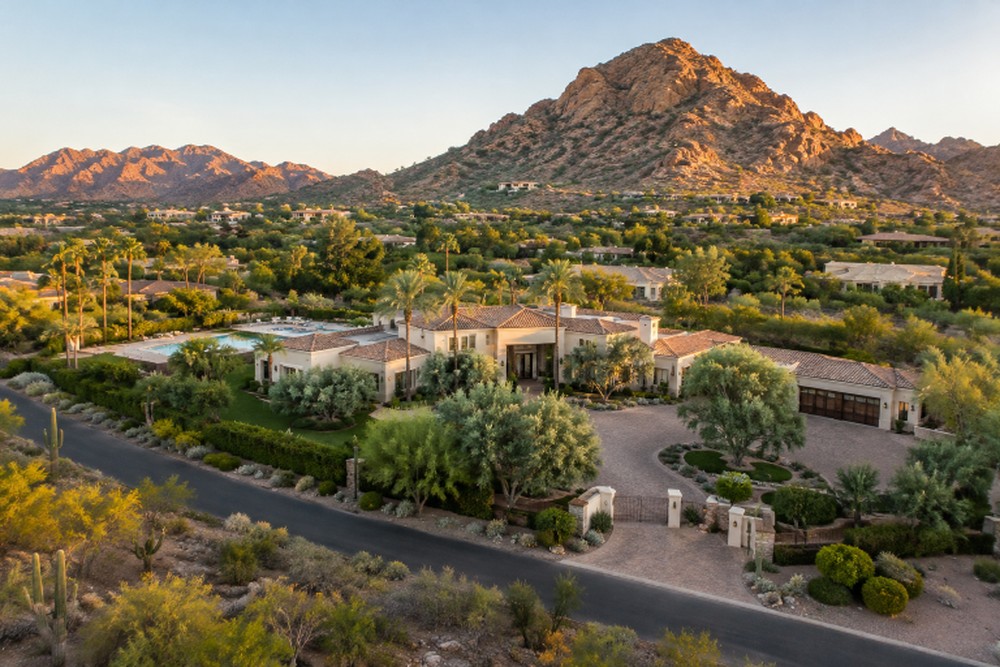
Buying a luxury home in Paradise Valley calls for more than admiring mountain views, architectural details, or a resort-style backyard. The best decision comes from a full review of the property, including its land, systems, access, maintenance needs, and future potential. Buyers comparing homes for sale in Paradise Valley, AZ can use Clayton Wolfe’s local listings resource to study properties across Paradise Valley, from hillside residences near Camelback and Mummy Mountain to larger estates on flatter lots. Clayton Wolfe works with buyers and sellers in Paradise Valley and nearby Scottsdale, focusing on property conditions, lot differences, and market considerations that shape high-value residential decisions. A home can be beautifully staged and still carry expensive questions beneath the surface. Before making an offer, assess the entire ownership picture: location, lot configuration, construction, mechanical systems, outdoor features, operating costs, local requirements, and how the home will fit your plans over time.
Why a Beautiful Home Still Needs Careful Review
Luxury finishes can be replaced. A difficult driveway, poor drainage pattern, limited privacy, or aging infrastructure may be far more consequential. Paradise Valley includes both relatively level estate lots and properties set on sloped terrain, so no two homes should be evaluated with the same checklist. Start by separating what is cosmetic from what is permanent. Stone countertops, paint colors, and furnishings are easy to change. Lot orientation, mountain exposure, neighboring sightlines, access, and structural layout are not. A thoughtful review helps you avoid paying a premium for visual appeal while overlooking factors that can affect comfort, maintenance, remodeling options, and resale.
Start With the Lot, Not the Living Room
Walk the grounds before becoming attached to the interior. Note the direction of the sun, the slope of the property, the driveway grade, and whether the outdoor areas are genuinely usable throughout the year. A smaller, well-positioned lot may offer a better daily experience than a larger parcel with steep terrain or awkward outdoor circulation.
- Look for visible signs of water movement, erosion, settling, wash areas, and stressed retaining walls.
- Check whether gates, driveways, and turnaround areas work comfortably for guests, service vehicles, and emergency access.
- Consider the condition and water needs of mature landscaping.
- Study nearby lots to understand whether future construction could affect views, privacy, or sunlight.
Check Hillside Rules Before Planning Changes
If you expect to remodel, add a guest casita, rework the landscape, expand a pool area, or build another accessory feature, investigate local requirements before closing. Hillside designation, grading, drainage, building height, lighting, materials, and land disturbance can all affect what is practical. The Town’s Paradise Valley hillside map allows buyers to review parcel designations, slope, elevation, and ridge-line information. It is a useful starting point, but it should not replace direct confirmation of zoning, permits, and project-specific requirements with the Town of Paradise Valley.
Review the Home’s Heat-Management Features
Desert comfort depends on more than the thermostat. Ask about the age, capacity, service history, and condition of every HVAC unit, then request recent electric bills, especially from the warmest part of the year. This gives you a more realistic operating budget than a seller’s general estimate. Also examine roof materials, attic ventilation, insulation, duct locations, exterior shading, and window exposure. The U.S. Department of Energy notes that insulation, efficient windows, shading, and ventilation can work together to reduce cooling demand. In a large home, details such as ducts running through a hot attic or extensive west-facing glass deserve particular attention.
Look Beyond the Main House
Many Paradise Valley properties include features that require their own review. Pools, spas, water features, detached garages, outdoor kitchens, sport courts, guest houses, security systems, gates, landscape lighting, irrigation controls, and backup-power equipment all add convenience, but they may also add maintenance responsibilities. Ask for service records, warranties, repair invoices, and the names of current vendors. Then consider whether each feature supports your lifestyle. A large water feature or elaborate outdoor kitchen can be appealing, but it should be a benefit you expect to use rather than a system you inherit without a plan.
Build a Practical Inspection Plan
A general home inspection is an important first step, but luxury homes often need specialty inspections based on age, design, and amenities. Use the inspection period to focus on the systems that would be costly or disruptive to repair.
- Schedule a comprehensive home inspection.
- Order a roof inspection for older, complex, or flat roof systems.
- Have qualified technicians evaluate HVAC equipment and controls.
- Inspect pools, spas, equipment, and water features.
- Consider a sewer scope, particularly for older homes or homes with mature trees.
- Request a termite and wood-destroying-organism inspection.
- Review drainage, retaining walls, slopes, and visible settlement.
- Request permits and records for major additions, remodels, and detached structures.
Compare Privacy, Noise, and Daily Convenience
Visit more than once, ideally at different times of day and on both weekdays and weekends. Listen for traffic, nearby construction, aircraft, neighborhood activity, pool equipment, and mechanical noise. Privacy depends on more than walls and gates. Elevation, setbacks, mature vegetation, window placement, and neighboring homes all matter. Also test the practical routine. Drive to work centers, schools, restaurants, medical care, recreation, and the airport at the times you would normally travel. A home can feel secluded while still being conveniently connected, but that balance should be confirmed rather than assumed.
Estimate the Full Cost of Ownership
Purchase price is only one part of the commitment. Build an annual budget that includes property taxes, insurance, utilities, pool care, landscaping, pest control, security monitoring, routine repairs, and reserves for major systems such as roofs, HVAC units, plumbing, windows, and exterior finishes. When comparing two homes, evaluate expected yearly operating costs alongside square footage, location, and list price. Energy-efficient upgrades may improve comfort and reduce demand on cooling equipment, but the home’s utility history and system condition are more useful than broad promises about savings.
Separate Lifestyle Value From Resale Value
Some features create meaningful enjoyment without guaranteeing equal resale value. Highly personalized finishes, unusually large specialty rooms, or expensive amenities with narrow appeal may not attract every future buyer. Permanent advantages tend to matter more: desirable location, lot position, privacy, usable outdoor space, adaptable floor plan, construction quality, and protected-feeling views.
Review recent comparable sales with attention to lot type, condition, location, and level of renovation. Renovation spending alone does not establish market value.
Questions to Ask Before Making an Offer
- How old are the roof, HVAC units, water heaters, and pool equipment?
- Were additions, pools, renovations, and accessory structures properly permitted?
- Are there known drainage, grading, retaining-wall, or foundation concerns?
- What were the property’s electric and water costs over the past year?
- Are there easements, shared driveways, private roads, or access agreements?
- Could nearby development change privacy, views, or traffic patterns?
- Which repairs are urgent, and which can be planned after closing?
Common Questions From Buyers
Are older luxury homes worth considering?
They can be, particularly when the location, lot, and layout are strong. Distinguish dated finishes from deferred maintenance involving structure, roofing, plumbing, electrical systems, or HVAC equipment. Renovation potential can be valuable when the scope, permits, timeline, and budget are understood.
Should buyers prefer a flat lot or a hillside lot?
Flat lots may offer easier access and simpler outdoor planning. Hillside homes can provide elevation, views, and separation from neighbors. The right choice depends on your comfort with access, maintenance, drainage, construction limitations, and future improvement plans.
What is the most common buyer mistake?
Judging the home by finishes before reviewing the lot, systems, permits, operating costs, and practical fit. The best luxury home is not simply impressive on the first tour. It continues to function well even after the novelty of the first tour has worn off.
Final Buyer Checklist
- Confirm zoning and hillside status.
- Review access, drainage, privacy, and usable outdoor space.
- Inspect major systems and specialty amenities.
- Request permits, service records, and utility history.
- Estimate annual ownership costs and future reserves.
- Compare the property with relevant recent sales.
- Visit at more than one time of day.
- Make sure the property supports both current needs and plans.
Conclusion
Buying a luxury home in Paradise Valley requires looking beyond impressive designs and expensive finishes. Carefully evaluate the property’s lot, major systems, outdoor features, privacy, maintenance needs, and potential restrictions before making an offer. Compare total ownership costs with recent sales to understand the property’s long-term value better. With local guidance from Clayton Wolfe, buyers can make more informed comparisons and find a home that fits their lifestyle, budget, and future goals.