Key Takeaways
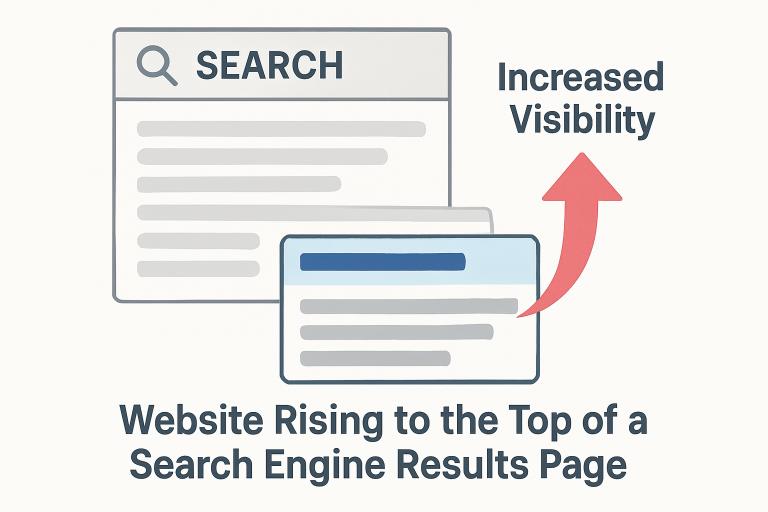
- SEO enhances a website’s visibility, driving organic traffic and improving search engine rankings.
- Effective SEO strategies involve keyword optimization, quality content creation, and link building.
- Adapting to AI-driven search technologies is crucial for maintaining online presence.
Understanding SEO
Search Engine Optimization (SEO) refers to a set of strategies and best practices designed to improve a website’s appeal to search engines. By refining on-site and off-site factors, companies can improve their search engine rankings and reach more potential visitors. Whether you are a small business or a large organization, gaining greater online visibility is essential. For example, professional services such as Nashville SEO illustrate how targeted optimization can help local businesses connect with customers in their area by appearing in relevant search engine results.
SEO is not a one-time task. Instead, it is a continuous process that involves monitoring search algorithms, updating content, and adapting strategies based on performance. As digital competition intensifies, investing in SEO becomes crucial for any website that wants to establish authority and generate organic traffic.
One of the main goals of SEO is to align website content with users’ search query intent. This effort leads to higher engagement and, over time, better brand recognition. Appearing in top search results establishes trust with visitors and drives valuable leads to your site without the ongoing cost of pay-per-click advertising.
Moreover, good SEO practices enhance the user experience. Websites that are easy to navigate, mobile-friendly, and filled with useful content are favored both by users and search engines. Businesses that prioritize SEO typically see significant growth in both traffic and conversions.
Key Components of SEO
SEO consists of several foundational elements that work together to make a website effective. Each of these components plays a vital role in increasing online visibility and improving search rankings.
- Keyword Research:Finding the words and phrases potential customers use allows you to target topics that matter most to your audience. Strategic keyword placement in titles, headings, and body content ensures search engines understand the focus of your webpage.
- On-Page Optimization:Incorporating keywords naturally within high-quality content, optimizing metadata (such as title tags and meta descriptions), and ensuring multimedia elements are descriptive improves rankings and click-through rates.
- Technical SEO:The structure and backend of your website are just as critical as content. Fast load speeds, secure connections, mobile responsiveness, and organized site architecture help search engines crawl and index your site effectively.
- Off-Page SEO:Building your website’s reputation through backlinks and social mentions increases your perceived authority. Search engines consider these signals when ranking websites, giving preference to domains cited by reputable sources.
The Role of Content in SEO
Content is the engine of SEO. Search engines aim to provide users with the highest-quality, most relevant information available. Therefore, websites that consistently update valuable, original, and well-structured content tend to achieve better rankings. Engaging writing encourages visitors to spend more time on your site, while regular updates signal to search engines that your website is active.
Incorporating visual media, such as videos, infographics, and images, makes content more shareable and engaging. A study by the Associated Press shows that websites that use video effectively tend to see significant growth in user retention and search rankings.
Link Building Strategies
Link building is a cornerstone of off-page SEO. Quality backlinks from other authoritative websites help establish your site’s credibility and can dramatically improve search engine rankings. Effective strategies include guest posting on trusted industry blogs, creating informative infographics for others to share, and participating in relevant online communities. Developing link-worthy content consistently attracts natural backlinks, which signals to search engines that your website is a valued resource.
Industry writers recommend focusing on relevance and quality over quantity. Links from respected sources within your niche are far more beneficial than obtaining dozens of low-quality backlinks. Recognized publications like Moz offer detailed guides on sustainable link-building techniques that can help maximize your SEO campaign’s potential.
SEO in the Age of AI
Artificial intelligence is rapidly changing how search engines process and interpret information. Algorithm updates are becoming increasingly nuanced, rewarding content that thoroughly answers user questions and matches search intent. Voice-assisted search and AI-driven tools are on the rise, making traditional SEO approaches less effective on their own.
Businesses should now consider optimizing for answer engines as well as search engines. AI is not just altering algorithms; it is also shifting user expectations, pushing brands to create more comprehensive, directly helpful content. Adapting your SEO approach to embrace AI-driven technologies is crucial for remaining visible and relevant.
Measuring SEO Success
Tracking the performance of your SEO initiatives is key to continuous improvement. Metrics such as organic search traffic reveal how many users are discovering your site through search engine queries. Monitoring keyword rankings helps determine whether your targeted topics are resonating with search engines and users alike.
- Organic Traffic:Measures the volume of visitors arriving from search results without paid promotion.
- Keyword Rankings:Indicates the position your pages hold for specific key terms.
- Conversion Rates:Shows how many visitors complete valuable actions, such as making a purchase or filling out a form.
- Backlink Quality:Evaluates the authority of referring domains, which impacts your site’s credibility.
Analyzing these data points helps you adjust your strategies and double down on tactics that produce results, ensuring sustained improvements over time.
Common SEO Mistakes to Avoid
There are several pitfalls that can slow down or even hurt your website’s SEO efforts. Overusing keywords (keyword stuffing) can result in penalties rather than higher rankings. Failing to optimize your site for mobile devices risks alienating a growing segment of internet users, given the prominence of mobile search.
- Avoid excessive keyword repetition that disrupts content readability.
- Ensure your website is fully responsive across all devices.
- Pay attention to page load speeds, as slow sites degrade user experience.
- Never sacrifice content quality for other SEO tactics; helpful, relevant information always matters most.
Future Trends in SEO
The SEO landscape continues to evolve alongside technology and user behavior. Emerging trends include a focus on holistic user experience, with site structure, accessibility, and interactive elements becoming major ranking factors. The integration of AI and machine learning into search algorithms will further elevate the importance of high-value content and the ability to effectively address user intent. As voice search grows and local results become more critical, businesses must adapt by optimizing for spoken queries and fine-tuning local listing accuracy.
Staying informed about updates from leading authorities and keeping strategies innovative ensures your SEO efforts keep pace with change, ultimately securing top online visibility in the future.