Key Takeaways
- Participating in play and household activities helps toddlers develop both cognitive and social-emotional skills.
- Teaching toddlers about emotions can reduce future behavioral challenges.
- Early interventions, such as parent coaching, can significantly improve infants’ communication and cognitive abilities.
Fostering social and emotional development in toddlers is crucial to ensuring children thrive today and in the future. Early experiences greatly impact a child’s ability to understand themselves, connect with others, and manage different social environments. For families looking for practical approaches, high-quality early learning environments like early learning daycare near Windsor Connecticut also support these important skills.
From everyday playtime to simple routines, the interactions toddlers experience at home shape how they learn to cope with emotions, build relationships, and communicate. Parents and caregivers play a unique role in modeling and guiding these vital early skills. Investing time in these areas benefits not just a child’s early years but also lays the groundwork for long-term success in school and beyond.
Understanding Social and Emotional Development
Social and emotional development in children involves recognizing their own feelings, understanding others’ emotions, and integrating into social groups. These skills are crucial for managing stress, showing empathy, resolving conflicts, and forming meaningful relationships. The CDC emphasizes that nurturing these abilities underpins learning readiness and positive behavior.
Emotional regulation and peer interaction skills require consistent guidance from adults, as toddlers may act impulsively due to ongoing brain development. By calmly addressing challenging behaviors and using them as teaching moments, adults can foster self-control and patience, which are essential for future friendships and academic success.
Engaging Toddlers in Play and Activities
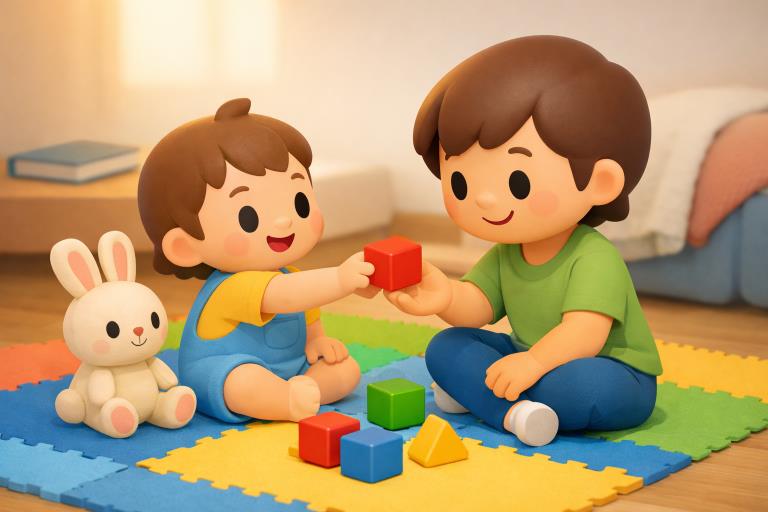
Toddlers enhance their thinking and social skills through hands-on play, including activities such as reading, playing with everyday toys, and engaging with household items. Research demonstrates that parents who engage in play with their toddlers using common materials foster significant socio-emotional development. Unstructured play allows children to experiment, problem-solve, and safely cope with frustration. Parents can promote cooperative play through age-appropriate group activities that teach valuable lessons in fairness, compromise, and turn-taking, which are essential for developing strong interpersonal relationships as children grow.
Teaching Toddlers About Emotions
Recognizing and expressing emotions helps children manage feelings like frustration and excitement. Parents can foster this by discussing emotions regularly, labeling them during activities, and relating them to children’s experiences, which builds an “emotional vocabulary.” Incorporating books and songs about feelings, along with routines like sharing daily emotions at bedtime, enhances understanding. Frequent conversations about emotions make toddlers more comfortable expressing themselves and responding to others.
Early Interventions and Parent Coaching
Early support is crucial for children with social or communication delays. Parent coaching can enhance language and social skills in infants from 8 months. Seeking help from pediatricians, family centers, or early intervention programs is recommended for concerned parents, as these resources provide tailored assessments and coaching, making support more effective the earlier it begins.
Practical Strategies for Parents
- Emotion Labeling:Use everyday moments to help your child name emotions. This can help toddlers match feelings with words and understand their inner world.
- Interactive Play:Seek out play that requires taking turns, sharing, or role-playing, as these activities build cooperation and problem-solving skills.
- Consistent Routines:Predictable household routines reassure toddlers and help them feel secure, supporting emotional stability.
- Positive Reinforcement:Notice and appreciate positive social actions, such as sharing or using polite words, which encourage kids to repeat those behaviors.
- Storytelling:Use stories, either fictional or from family experiences, to teach values and model empathy, kindness, and patience.
- Comfort Items:Letting your child have a favorite stuffed animal or blanket during stressful transitions can provide emotional reassurance and encouragement.
Simple techniques like these empower parents to nurture their child’s development at home, bridging daily routines with lifelong skills. Incorporating activities such as singing together, completing simple chores, and regularly talking about feelings further supports growth.
Resources for Further Support
Families can find support from organizations like Sesame Workshop, which offers practical resources for emotional well-being for young children and caregivers. These tools, featuring beloved characters, support families by offering useful communication strategies. Community resources such as local libraries, community centers, and pediatricians provide workshops and story hours on social-emotional learning. Engaging with other parents builds a supportive network for sharing experiences and advice, helping families navigate the journey of encouraging their child’s emotional growth.
Conclusion
Investing in social and emotional growth during the toddler years is a multifaceted process that combines engaging play, emotional education, and early intervention when necessary. These strategies enable parents and caregivers to create a nurturing foundation, giving children the confidence and tools they need to thrive in every stage of life. By acting early and staying involved, families ensure their children are ready to meet challenges with resilience, empathy, and a love for learning.