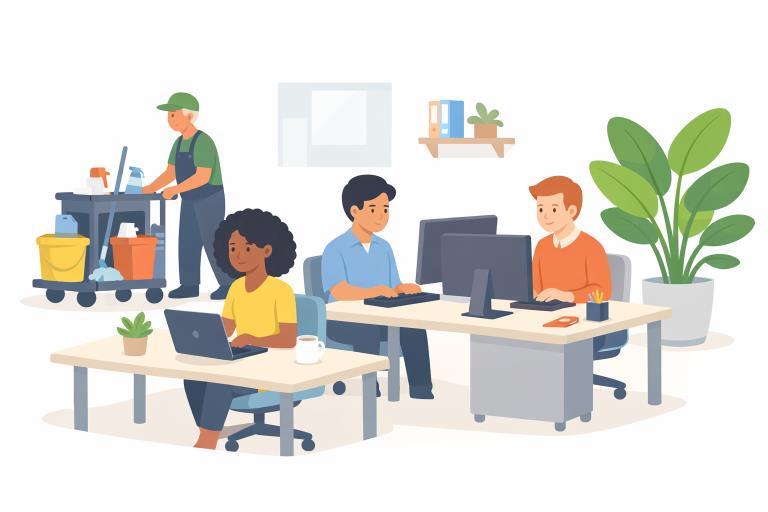
Maintaining a clean and organized workspace goes beyond creating a visually appealing office. It is a strategic investment that significantly impacts employee health, workplace productivity, and overall business success. Companies that prioritize cleanliness are more likely to create an environment where staff thrive both physically and mentally. With professional Janitorial Service solutions tailored to today’s evolving office environments, businesses ensure that workspaces are hygienic, efficient, and aligned with modern expectations. Professional cleaning services have become increasingly sophisticated, adopting new techniques and embracing advanced technology. As the demands of workspaces change, driven by shifts toward flexible and hybrid work schedules, these services play a crucial role in ensuring offices remain conducive to productivity and employee wellbeing. The investment in cleaning is not just about appearances but also about sustaining long-term business performance and adapting to future challenges in workplace management.
Enhancing Employee Health and Wellness
One of the most visible advantages of a professionally cleaned office is its impact on employee health. By reducing the daily presence of allergens, bacteria, and viruses, professional cleaning services help limit the spread of illness throughout the workplace. Thorough, regular sanitation of shared surfaces, restrooms, and communal spaces means fewer sick days, higher office attendance, and lower overall healthcare costs for employers. The Centers for Disease Control and Prevention (CDC) underscores the importance of cleanliness as a critical measure to prevent the transmission of infectious diseases in work environments. Furthermore, indoor air quality benefits substantially from routine professional cleaning. Dust, pollen, and airborne pollutants can accumulate in poorly maintained areas, leading to respiratory problems or aggravating allergies among staff members. By performing deep-cleaning tasks such as carpet extraction, upholstery sanitization, and proper ventilation maintenance, cleaning professionals ensure a healthier workspace. Ultimately, a focus on employee health reflects positively on employer reputation, contributing to a workplace culture that attracts and retains top talent.
Boosting Productivity and Morale
The workplace atmosphere has a profound effect on employee moods and cognitive performance. When offices are well-maintained and free from clutter and dust, employees are more motivated, focused, and engaged. Clean workspaces not only help eliminate distractions but also send the message that the employer values their comfort and wellbeing. A clean, healthy workplace supports higher job satisfaction, which, in turn, contributes directly to productivity and employee loyalty. Recognizing how much the environment influences mindset, many organizations now schedule regular desk tidying and communal area cleaning, and even offer periodic deep-cleaning events as team-building activities. These measures not only give employees a sense of pride in their workspace but also foster a culture of shared responsibility for overall cleanliness. The psychological benefits of a tidy, organized workplace can be just as transformative as the physical ones, with employees reporting lower stress and greater job fulfillment in optimally maintained environments.
Adapting to Hybrid Work Models
The shift to hybrid work models has required cleaning service providers to become more flexible in their approach. Fluctuating numbers of in-person employees mean high-traffic spaces vary from day to day. Modern cleaning schedules are now responsive to office occupancy trends, ensuring that shared spaces, such as meeting rooms and kitchenettes, receive the appropriate attention regardless of attendance levels. This responsive approach is essential to maintaining consistent hygiene and safety standards in today’s workplaces.
To further support hybrid arrangements, some companies utilize occupancy sensors and booking systems to identify usage patterns. This data-driven approach enables cleaning teams to target the areas that need attention most urgently, reducing waste while improving hygiene. As many organizations experiment with various hybrid models, adaptable cleaning contracts, and agile service providers are becoming indispensable components of workplace management.
Leveraging Advanced Cleaning Technologies
Leading professional cleaning companies are embracing cutting-edge solutions for office sanitation. Technologies such as electrostatic sprayers, which evenly coat surfaces with disinfectant, and HEPA-filter vacuums, which capture ultrafine particles, enable more efficient, thorough cleaning. These advancements not only improve cleaning outcomes but also allow workspaces to remain operational, with less disruption to normal business activities. Automation also plays an increasingly important role in modern commercial cleaning. Robotic floor cleaners and smart dispensers are being integrated into many office environments, further increasing efficiency and consistency. With remote monitoring and digital management platforms, supervisors can track cleaning performance and quickly address potential problem areas, ensuring offices continuously meet health and safety standards.
Implementing Eco-Friendly Cleaning Practices
Sustainability initiatives are increasingly prioritized in workplace management. Many professional cleaning services now use green cleaning products and methods, reducing their environmental impact while maintaining high hygiene standards. This shift towards eco-friendly protocols supports corporate social responsibility goals and helps protect indoor air quality, benefitting employees and visitors alike. Large companies are adopting these practices as part of broader climate action strategies, which are described in leading business publications such as Forbes. Adopting these eco-conscious practices also includes minimizing waste, using water-efficient technologies, and ensuring responsible disposal of cleaning materials. The result is a workplace that not only looks clean but also operates with a reduced environmental footprint—promoting both healthy employees and a healthier planet.
Customizing Cleaning Strategies for Modern Offices
Modern offices with open-plan layouts, coworking spaces, and an increased focus on collaboration require tailored cleaning approaches. Professional cleaning partners work closely with business owners to develop customized cleaning plans that account for the unique traffic patterns and usage of these environments. This ensures every area, from collaborative workstations to private offices and high-touch communal areas, is properly maintained. Additionally, specialized services may be required to accommodate sensitive equipment, confidential documents, or regulatory requirements specific to certain industries. Cleaning providers that prioritize flexibility and attention to detail can deliver solutions tailored to each client’s unique needs. Adaptability and communication between cleaners and business leaders are key to consistently achieving the desired cleanliness standard in such diverse environments.
Reducing Cross-Contamination in Shared Spaces
Shared facilities such as conference rooms, kitchenettes, and lounge areas are considered hotspots for germ transmission. Professional cleaning teams implement rigorous cleaning protocols that target high-contact surfaces, such as door handles, tables, and kitchen appliances, to minimize the risk of cross-contamination. This is especially important as businesses continue to navigate fluctuating public health concerns. Guidance from authorities like the Occupational Safety and Health Administration (OSHA) has shaped many of these cleaning strategies. Advanced disinfection routines often incorporate hospital-grade materials and real-time monitoring, providing an added layer of assurance for both employees and visitors. Regular education on hygiene practices and the provision of hand sanitizers or disinfectant wipes further empower staff and reinforce the organization’s commitment to health and safety in shared areas.
Conclusion
Professional cleaning services play a pivotal role in shaping the modern office landscape. By supporting employee health, fostering higher productivity, and accommodating flexible work arrangements, these services are integral to workplace success. Leveraging innovative technologies and environmentally friendly practices, professional cleaners ensure workspaces remain not just visually appealing but truly healthy and productive environments for all. As the modern workplace continues to evolve, keeping pace with trends in office design, technology integration, and sustainability will be essential for businesses seeking to maintain a competitive edge. In this context, the role of professional cleaning is set to become even more influential and multifaceted. Companies that embrace this evolution, investing in advanced, tailored, and eco-friendly cleaning strategies, will foster workplaces that not only inspire collaboration and innovation but also safeguard their teams’ long-term wellness.