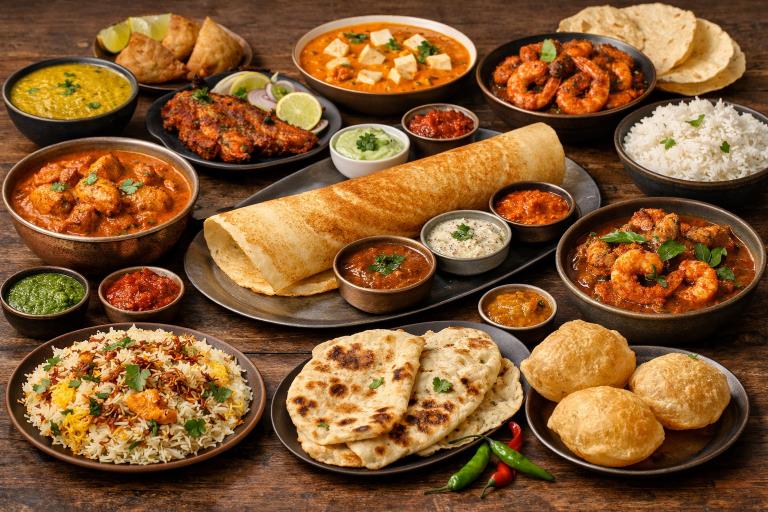
India’s culinary landscape is as vibrant and varied as its culture, enticing food lovers from around the world with a multitude of regional dishes, cooking styles, and bold flavors. To truly savor Indian food, it helps to appreciate how ingredients, preparation techniques, and recipes vary across the subcontinent. If you are eager to taste these authentic flavors yourself, you can book a table to explore the best vegan Indian options in Vancouver and start your own journey through India’s diverse cuisine. From the creamy curries of the north to the tangy, coconut-infused fare of the south, every region brings something unique to the table. This regional variation not only reflects India’s vast geography but also its history and the availability of local ingredients. Whether you are a passionate home cook, a foodie seeking new flavors, or someone keen to understand another culture, learning about India’s regional cuisines will enrich your culinary experiences.
North Indian Cuisine
Rich, indulgent, and full of robust spices, North Indian cuisine is famous for its hearty gravies, liberal use of dairy, and distinct bread varieties. Wheat is widely grown in the region, resulting in a preference for breads like naan and roti. Popular offerings include butter chicken, creamy dal makhani, and fragrant biryanis. Grilling in a tandoor oven infuses dishes like tandoori chicken and naan with smokiness. North Indian cuisine frequently uses ingredients such as ghee, paneer (Indian cottage cheese), and aromatic spices, making it a crowd-pleaser from Delhi to Punjab and Uttar Pradesh.
South Indian Cuisine
South Indian cuisine offers a completely different experience. Rice replaces wheat as the staple, and the cuisine relies on ingredients like coconut, tamarind, curry leaves, and mustard seeds. Signature dishes such as dosa (fermented rice and lentil crepes), idli (steamed rice cakes), sambar (tangy lentil stew), and rasam (spicy, soupy broth) are enjoyed at every meal. Unlike the rich gravies of the North, South Indian dishes emphasize bright, tangy flavors and often pack a punch with spicy chilies. The proximity to the coast ensures an abundance of fresh seafood, particularly in Kerala and Tamil Nadu, where fish curry and prawn dishes are celebrated.
East Indian Cuisine
The eastern part of India, especially West Bengal and Odisha, is renowned for its mild, subtle flavors and a love of fish and rice. Mustard oil lends a pungent note to many staples, while poppy seeds, green chilies, and local spices create complex yet delicate flavors. Bengali cuisine, in particular, is famous for its wonderful sweet offerings such as rasgulla, sandesh, and mishti doi (sweet yogurt). Dishes like macher jhol (fish curry) and shorshe ilish (hilsa fish in mustard sauce) highlight the region’s abundance of river fish. Meals here are often lighter and less oily than their northern counterparts.
West Indian Cuisine
The culinary traditions of Western India are immensely varied. Gujarat is celebrated for its vegetarian thalis, platters featuring an assortment of lentils, vegetables, breads, and pickles balanced with sweet and savory elements. Maharashtra, home to Mumbai, is famous for dishes like misal pav, vada pav, and puran poli, blending spicy, tangy, and slightly sweet flavors. Goa’s cuisine, heavily influenced by Portuguese colonization, is known for its fiery vindaloo, prawn balchao, and coconut-rich curries. Western Indian food is known for its innovation, using local produce such as mango, kokum, and various legumes and lentils.
Northeast Indian Cuisine
The cuisine of Northeast India is quite distinctive, with each of the seven sister states offering culinary treasures rarely found elsewhere. The food here is built around fermented products, bamboo shoots, and unique meats, pork being especially loved. Dishes rarely rely on heavy spices; instead, they focus on enhancing the inherent flavors of fresh ingredients. Examples include smoked meat from Nagaland, fish stews of Assam, momo dumplings from Arunachal Pradesh, and chutneys bursting with local herbs. These cuisines remain rooted in tribal traditions and are often celebrated for their bold, earthy taste profiles.
Central Indian Cuisine
Central India, covering states like Madhya Pradesh and Chhattisgarh, offers a blend that borrows generously from both north and south. The menu is humble but satisfying, emphasizing local grains, leafy greens, and legumes. Poha (flattened, spiced rice), dal bafla (a baked wheat dumpling served with dal), and sabudana khichdi (tapioca pearl stir-fry) are daily eats. Wild mushrooms, river fish, and forest greens commonly make their way into seasonal dishes, reflecting an engagement with the land and traditions honed over generations.
Tips for Exploring Indian Cuisine
- Start with Regional Specialties:Rather than trying to sample everything at once, focus on one region’s specialties to deeply appreciate their unique textures, flavors, and the stories behind them.
- Visit Local Restaurants:Restaurants specializing in specific regions can offer insights into traditional recipes that are hard to replicate elsewhere, providing a genuine taste of regional cooking.
- Experiment with Cooking:Recreate dishes at home to become familiar with the techniques and spice blends that define each area.
- Attend Food Festivals:These are an exciting way to taste many different regional foods in one place while also learning about their origins and cultural relevance.
Conclusion
Delving into Indian regional cuisines is like embarking on a journey that crosses mountains, rivers, and coastlines. Every corner of India contributes fresh ideas, ingredients, and flavors to its collective culinary heritage. Whether you savor the smoky tastes of the tandoor, the subtlety of fish stews, or the vibrancy of fermented and coastal fare, exploring this cuisine is always a rewarding adventure. As you discover these diverse foods, you’ll gain a deeper appreciation for India’s cultural richness and the amazing adaptability of its cooking traditions.