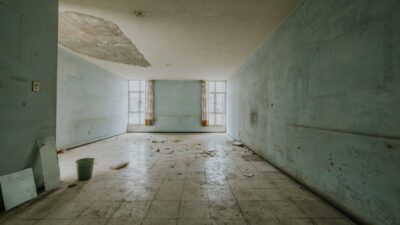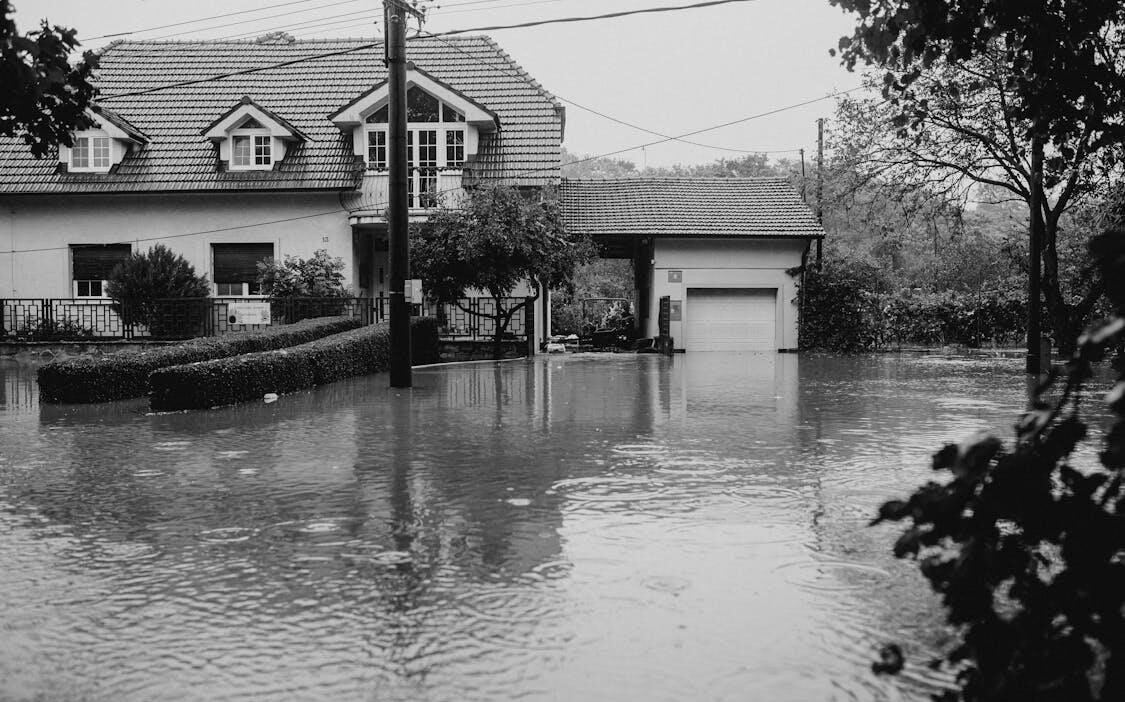
Flood damage leaves behind more than visible destruction. Water seeps into structural components, weakens materials, and creates conditions that can affect a home for years. Quick cleanup matters, but thoughtful improvements matter even more. Strategic upgrades restore safety, strengthen vulnerable areas, and reduce the chances of facing the same problem again.
Recovery is also an opportunity to improve how the home functions overall. Structural reinforcement, upgraded systems, and better materials can transform a stressful situation into a long-term investment. Clear priorities and steady progress help ensure every repair supports durability, efficiency, and peace of mind.
Comprehensive Structural Assessment
Every successful restoration begins with understanding the condition of the home’s framework. Floodwater can shift foundations, compromise support beams, and weaken load-bearing walls. Damage is not always obvious at first glance, which makes a detailed inspection essential.
Professional inspectors evaluate cracks in the foundation, uneven flooring, and signs of structural movement. They also examine framing components hidden behind walls to ensure nothing has deteriorated beneath the surface. Early detection prevents minor issues from escalating into expensive structural failures later. Repairs at this stage may include reinforcing beams, sealing foundation cracks, or replacing compromised framing materials.
Water Damage Assessment and Immediate Restoration
Visible water is only part of the problem. Moisture often lingers inside walls, under flooring, and within insulation long after standing water disappears. Immediate drying and thorough assessment prevent long-term decay and mold growth.
Restoration professionals use moisture meters and thermal imaging to locate hidden damp areas. They remove saturated materials, dry structural components, and monitor humidity levels until conditions stabilize. Careful documentation of damage also supports insurance claims and repair planning. Reliable restoration services play a critical role during this phase. If you’re looking for a company that offers 24 hour flood response, choose a team with restoration expertise and rapid on-site deployment. A reputable provider will also explain the restoration steps clearly and outline a realistic timeline for completion.
Electrical System Inspection and Upgrades
Floodwater poses serious risks to electrical systems. Even brief exposure can corrode wiring, damage outlets, and weaken circuit panels. Electrical issues may not show immediate warning signs, yet they can increase the risk of fire or power failure.
Licensed electricians should inspect every affected component, including switches, breaker boxes, and connected appliances. Compromised wiring must be replaced rather than repaired superficially. Updated systems also improve energy efficiency and align the home with modern safety standards. Upgrading to ground fault circuit interrupters in moisture-prone areas provides added protection.
Plumbing System Evaluation
Flood events can place unusual stress on plumbing systems. Pipes may shift, joints can loosen, and corrosion may accelerate after prolonged exposure to moisture. Overlooking these vulnerabilities increases the risk of future leaks.
Professional plumbers assess supply lines, drainage systems, and water heaters for structural integrity and performance. Pressure testing helps confirm that no hidden leaks remain. Inspection of sump pumps and backup systems ensures reliable protection during heavy rainfall. Upgrades at this stage may include installing backflow prevention valves or enhancing sump pump capacity. Modernizing older plumbing components improves efficiency and reduces the likelihood of another water-related emergency.
Flooring Replacement and Material Selection
Flooring often absorbs the brunt of flood damage. Carpets, hardwood, and laminate materials trap moisture and may warp or deteriorate beyond repair. Removal of compromised flooring allows the subfloor to dry thoroughly and prevents lingering moisture issues.
New flooring choices should prioritize durability and resistance to water exposure. Tile, sealed concrete, and certain engineered products offer improved resilience in areas prone to moisture. Proper underlayment enhances insulation while adding another layer of protection. Thoughtful material selection transforms a necessary repair into a meaningful upgrade. Durable flooring supports daily wear while offering peace of mind during future storms.
Wall Insulation and Drywall Renewal
Floodwater often saturates insulation and drywall long before visible damage appears. Moisture trapped inside wall cavities can weaken structural elements and create unhealthy indoor conditions. Removal of compromised insulation is essential to prevent lingering dampness and hidden contamination.
Drywall sections that show swelling, staining, or softness should be replaced rather than patched. New moisture-resistant drywall offers improved durability in areas vulnerable to future exposure. Upgraded insulation materials also improve thermal efficiency while reducing the likelihood of trapped condensation.
Mold Prevention and Indoor Air Quality
Flood conditions create an ideal environment for mold growth. Moisture, warmth, and organic materials combine quickly, often within days of water exposure. Preventive measures protect both the home and the health of everyone inside it.
Thorough inspections should focus on concealed spaces such as crawl areas, attic corners, and behind cabinetry. Professional testing may be necessary if musty odors or visible spotting appear. Prompt remediation prevents spores from spreading through ventilation systems. Dehumidifiers, improved ventilation, and air purification systems help regulate moisture levels throughout the home. Antimicrobial treatments can provide additional protection in high-risk areas.
Exterior Drainage and Landscape Improvements
Flood recovery does not end inside the home. Exterior grading and drainage systems play a critical role in preventing repeat damage. Water that pools near the foundation increases pressure against basement walls and weakens structural stability.
Regrading soil so it slopes away from the home directs water toward safer runoff paths. Gutters and downspouts should be repaired or extended to move water farther from the foundation. French drains or additional drainage channels may offer further protection in areas prone to heavy rainfall. Landscape adjustments also contribute to long-term resilience. Strategic placement of gravel beds or water-tolerant plants can improve absorption and reduce erosion. Strengthened exterior defenses lower the likelihood of future flooding and protect the improvements made inside.
Flood damage demands more than surface repairs. Structural reinforcement, system upgrades, and moisture management create a safer and more durable living environment. Careful attention to each area ensures that restoration efforts deliver lasting value rather than temporary relief.
Thoughtful improvements turn recovery into an opportunity. A well-planned approach strengthens the home against future challenges while enhancing comfort and efficiency. With the right priorities and professional guidance, homeowners can move forward with confidence and renewed stability.