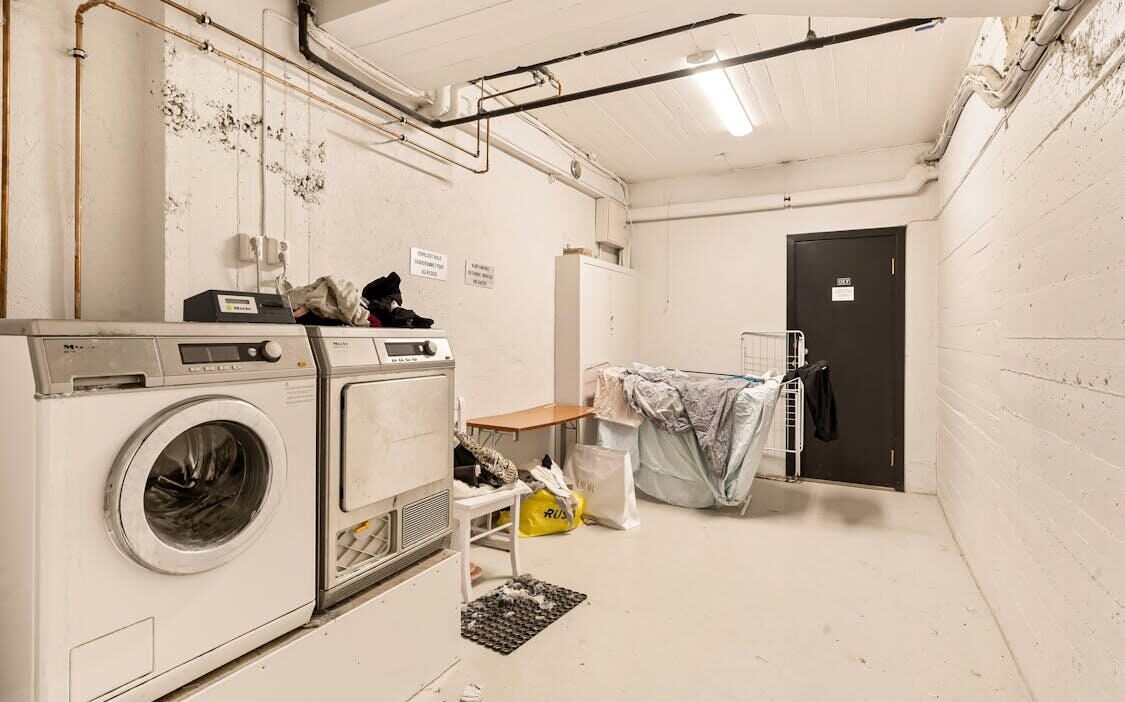
Laundry rooms, garage corners, basement utility areas, and storage spaces used to get the bare minimum during renovations because they were considered “back of house” areas. That attitude is fading pretty quickly now. Homeowners are starting to realize that those rooms carry some of the biggest risks inside the entire house because they deal with water lines, drainage, appliances, electrical systems, humidity, and constant wear every single day.
This appreciation for such rooms is especially noticeable in Austin, TX, where fast-growing neighborhoods, aging plumbing in older homes, sudden storms, and packed household routines all push utility spaces harder than people expect. Homeowners are redesigning these rooms with a completely different mindset now. Instead of squeezing appliances into tight corners and stacking random storage everywhere, people want spaces that can actually handle real-life problems without falling apart.
Moisture Resistant Upgrades
A lot of homeowners only start caring about moisture-resistant materials after seeing firsthand what water damage actually looks like once it spreads. One slow leak behind a washer can wreck flooring, damage drywall, ruin cabinets, and create hidden moisture issues that people do not notice until the smell starts showing up weeks later. This reality is pushing homeowners to stop using delicate materials in utility rooms altogether. People are replacing laminate flooring with sealed surfaces, upgrading lower wall sections, improving ventilation, and using finishes that can survive moisture without immediately breaking down.
This trend is not really about luxury renovation aesthetics either. It is about practicality. Homeowners who have dealt with emergency cleanup situations usually become much more intentional during future remodels because they understand how quickly small water issues escalate. For most homeowners, including 24/7 emergency Austin water damage restoration services in their home improvement plans becomes essential. People want faster solutions once damage happens, and it’s here that restoration experts help reduce the chances of disaster spreading uncontrollably.
Elevated Storage Solutions
Homeowners are getting things off the floor. Storage used to mean stacking cardboard boxes, tools, paint cans, and household supplies directly around washers, water heaters, or utility sinks without thinking much about it. Then one leak happens, and suddenly everything sitting at ground level gets destroyed within hours. People are learning pretty quickly that floor storage and utility rooms are a terrible combination once moisture enters the picture.
Raised shelving, wall-mounted cabinets, elevated bins, and metal storage systems are becoming way more common because they create breathing room underneath while protecting household items during leaks or cleanup situations. The rooms themselves instantly feel less chaotic, too. Instead of cramped utility spaces packed wall to wall with clutter, homeowners are creating layouts where plumbing lines, drainage areas, and appliances are easier to access during repairs.
Better Drainage Systems
Drainage used to be one of those things homeowners rarely thought about unless a major flood happened. Now people are paying attention much earlier because utility spaces naturally deal with water constantly. Washing machines overflow. Water heaters fail. Utility sinks leak. Drain lines back up. Without proper drainage, water has nowhere to go except underneath the flooring, into the walls, or across nearby rooms.
Homeowners are adding floor drains, slightly sloped flooring, waterproof barriers, and better runoff planning around appliances because even small leaks become easier to control once water can actually move somewhere safely. This is especially important in tighter utility spaces where water spreads fast before anyone notices it.
Garage Utility Areas
Many homeowners use garage areas for laundry setups, backup refrigerators, workout equipment, storage systems, tools, charging stations, utility access, and home projects all at once. That amount of activity creates constant wear on floors and walls, especially once moisture, dirt, heavy equipment, and temperature changes start building up over time. Older garage finishes usually were not designed for that kind of daily abuse.
Given this, garage utility areas are getting much tougher during renovations now. Sealed flooring, moisture-resistant wall materials, stronger lighting, and easier-to-clean surfaces are becoming standard upgrades because homeowners want these areas to survive real use without constantly looking damaged or dirty. People are finally treating garages more like active functional spaces instead of rough unfinished zones nobody cares about visually or structurally.
Protective Flooring
Flooring inside utility spaces used to be chosen almost as an afterthought. People picked whatever was cheap, easy to install, or leftover from another part of the house without really thinking about what those rooms actually deal with every day. That approach usually falls apart pretty fast once heavy appliances, moisture, detergent spills, dirty shoes, or plumbing leaks start wearing the space down constantly.
Protective flooring upgrades are becoming common because people want surfaces that can survive accidents without immediately swelling, cracking, staining, or trapping moisture underneath. Sealed concrete, textured tile, water-resistant vinyl, and slip-resistant finishes are showing up more often around washers, utility sinks, and water heaters. The goal is not to make utility rooms look fancy. It is making them easier to live with after something goes wrong.
Better Lighting
Lighting inside older utility rooms was usually terrible. Dim bulbs, shadowy corners, and poor visibility made it hard to notice leaks, inspect plumbing, or even move around safely while carrying laundry baskets or tools. Homeowners are finally realizing how much better lighting changes the entire feel and function of these spaces. A brighter utility room instantly feels cleaner, safer, and much easier to manage during both everyday use and emergency situations.
The safety side matters more than people initially expect it to. Better lighting helps homeowners catch moisture problems earlier, notice appliance wear faster, and avoid accidents around electrical systems or slippery flooring. Renovation projects now often include overhead LED lighting, under-shelf visibility upgrades, motion sensors, and cleaner fixture placement that makes utility areas feel much less neglected overall. The room may still be functional at its core, but good lighting completely changes how comfortable people feel spending time there.
Separating Utility Spaces from Living Areas
One of the smartest layout trends happening right now involves creating better separation between utility spaces and finished living areas. Older homes often place laundry rooms, water heaters, storage systems, or utility equipment directly beside finished flooring, bedrooms, or living spaces without much protection in between. That becomes a huge problem once leaks, humidity, smoke, or appliance failures spread beyond the utility area itself. Homeowners are increasingly redesigning layouts to contain problems faster instead of allowing damage to move freely into the rest of the home.
This separation can happen through stronger door systems, raised transitions, moisture barriers, enclosed utility zones, or smarter room placement during renovation projects. The goal is not to hide utility spaces completely, but to give them enough containment so emergencies stay manageable if something fails unexpectedly.
Utility spaces are finally getting the attention they probably should have had years ago. Homeowners are redesigning these rooms with durability, protection, organization, and emergency readiness in mind because everyday household systems now carry much bigger expectations and risks than before.