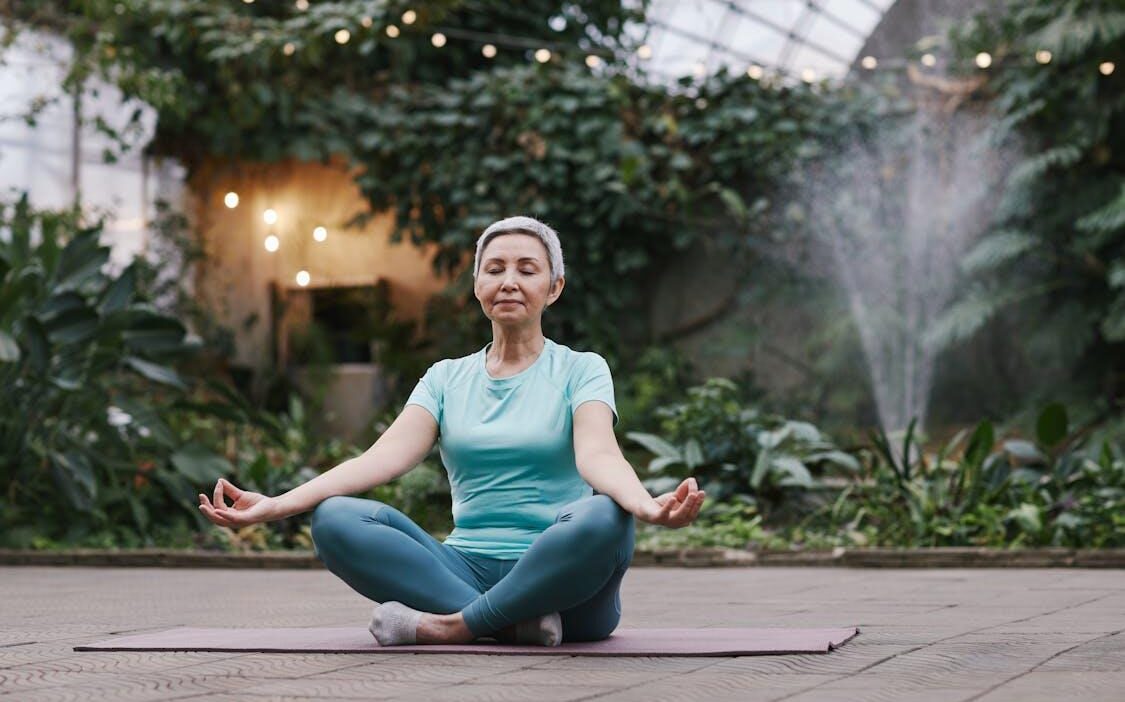
Have you ever noticed how some days feel steady and calm, while others spiral before you even finish your morning coffee? The difference often isn’t luck. It’s routine. In a world shaped by nonstop news alerts, economic stress, and digital overload, building a routine that supports emotional well-being has become less of a luxury and more of a survival skill.
Why Routine Matters More Than Ever
Modern life rarely slows down. Between remote work, rising living costs, and constant online chatter, people are expected to stay “on” all the time. This pressure chips away at emotional stability. A routine acts like a buffer, giving your day a predictable rhythm when everything else feels uncertain.
Think of it as a framework rather than a strict schedule. When your brain knows what comes next, it uses less energy worrying. That extra mental space can help you handle stress better, respond thoughtfully, and avoid emotional burnout.
The Link Between Structure and Emotional Stability
A stable routine helps regulate your mood in ways people often overlook. When you wake up, eat, and wind down at roughly the same times, your body and mind sync more effectively. This consistency reduces anxiety and improves focus over time.
Many therapists now emphasize routine as part of broader mental health treatment because it supports habits that reinforce emotional balance. Even small actions, like stepping outside at the same time daily, can ground you. These patterns signal safety to your brain, which matters in an era where uncertainty dominates headlines.
Start With a Realistic Morning Anchor
Mornings set the tone for everything that follows, but social media has turned them into unrealistic performances. Not everyone needs a 5 a.m. workout and a green smoothie. What matters is consistency and intention.
Choose two or three actions you can repeat daily. This could be stretching for five minutes, drinking water, or avoiding your phone for the first 15 minutes. These small wins create momentum. Over time, they train your brain to start the day calmly instead of reactively scrolling through stressful news or emails.
Build Flexibility Into Your Day
Rigid routines often fail because life rarely sticks to a script. Traffic happens, meetings run long, and unexpected problems show up without warning. If your routine is too strict, you’ll abandon it the first time things go off track.
Instead, create flexible blocks of time. For example, schedule “focus work” rather than a specific task at a fixed hour. This allows you to adjust without losing structure. Flexibility keeps your routine sustainable, which is far more valuable than perfection.
Use Technology Without Letting It Use You
Technology is both a tool and a trap. Apps can remind you to hydrate, move, or pause, but they can also flood you with distractions. The key is to use tech intentionally rather than passively.
Set limits on notifications, especially for social media and news apps. Consider using features like “Do Not Disturb” during focus hours. A routine that includes controlled tech use helps reduce anxiety, particularly in a time when global events can dominate your feed and affect your mood within minutes.
Make Space for Emotional Check-Ins
Most routines focus on productivity, but emotional well-being needs attention too. Ignoring your feelings doesn’t make them disappear; it just delays the impact.
Build in short check-ins during your day. This could mean journaling for five minutes, taking a quiet walk, or simply asking yourself how you feel. These pauses help you process emotions instead of carrying them unnoticed. Over time, they improve self-awareness and reduce emotional buildup.
Prioritize Sleep Like It’s Non-Negotiable
Sleep is often the first thing people sacrifice, yet it has one of the biggest impacts on emotional health. Poor sleep can make small problems feel overwhelming and reduce your ability to cope with stress.
Set a consistent bedtime and create a wind-down routine that signals your body to relax. This might include dimming lights, avoiding screens, or reading something calming. In a culture that glorifies hustle, protecting your sleep is one of the most effective ways to protect your mental state.
Create Small Moments of Joy
A routine shouldn’t feel like a checklist of obligations. It should include moments that you actually look forward to. These don’t have to be big or expensive.
It could be a favorite podcast during your commute, a cup of coffee enjoyed without distractions, or calling a friend once a week. These small joys act as emotional anchors throughout your day. They remind you that routine isn’t just about discipline; it’s about creating a life that feels good to live.
Stay Connected Without Overcommitting
Strong relationships support emotional well-being, but constant social demands can quickly drain your energy. A balanced routine includes intentional connection without leaving you overwhelmed. Plan specific times to reach out to friends or family, whether it’s a weekly call or a shared activity. At the same time, protect your alone time so you can recharge.
Social media can create the illusion of connection, but real conversations matter more. By choosing quality over quantity, you maintain meaningful bonds while keeping your emotional energy steady, which is especially important in a time when people feel both hyperconnected and deeply isolated.
Adjust as Your Life Changes
One of the biggest mistakes people make is treating routines as permanent. Life evolves, and your routine should evolve with it. What works during a calm period may not work during a stressful one.
Check in with your routine every few weeks. Ask yourself what’s helping and what feels forced. Adjust accordingly. This keeps your routine aligned with your current needs rather than an outdated version of your life.
A supportive routine doesn’t require perfection or dramatic change. It’s built through small, consistent choices that add up over time. In a world that often feels chaotic, these choices give you something steady to hold onto. And sometimes, that steady ground is exactly what you need to feel okay again.