Key Takeaways
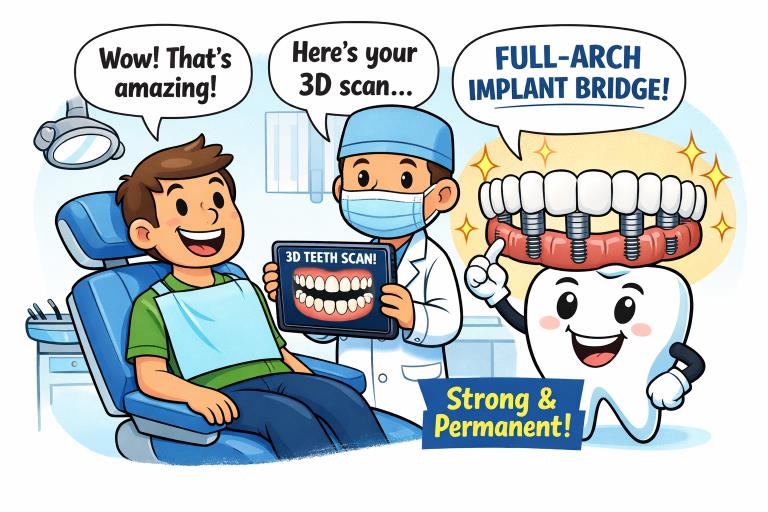
- Digital diagnostics and guided surgery have significantly increased the accuracy and predictability of full-arch dental implant procedures.
- New-generation prosthetic materials, such as high-strength zirconia, have improved the durability and appearance of implant-supported teeth.
- Technological advancements have streamlined workflows, enabling quicker treatment times and greater patient satisfaction.
In recent years, the world of restorative dentistry has seen a major transformation, especially for patients struggling with extensive tooth loss. Full-arch dental implants have become a beacon of hope, restoring not just oral function but also the confidence that comes with a beautiful smile. Modern breakthroughs in digital treatment planning, surgical techniques, and durable prosthetic materials have made solutions like All on X dental implants more accurate, reliable, and widely accessible for those who need full-mouth rehabilitation.
These innovations empower dentists to deliver life-changing results with greater predictability and shortened recovery periods. By integrating advanced diagnostics and leveraging cutting-edge materials, clinicians and patients alike can look forward to seamless treatments and exceptional long-term outcomes. From rapid digital scans to computer-guided surgery, every stage of the full-arch implant process is now optimized for safety, comfort, and efficiency.
As digital dentistry continues to evolve, patients benefit from procedures that are less invasive and require fewer appointments, while clinicians can achieve stunning aesthetic results with advanced materials like zirconia. Alongside improved prosthetics, streamlined workflows, and artificial intelligence, these advancements are setting new standards for what patients can expect from dental implant care.
Beyond individual clinics, these technological leaps are driving international collaboration among dental professionals, raising the bar for patient care everywhere. Together, these trends are not only transforming smiles but also restoring lives for those who once believed full-arch restoration was impossible.
Digital Diagnostics and Guided Surgery
The digital age has reshaped full-arch dental implantology, starting with how patient data is captured and processed. Three-dimensional cone-beam computed tomography (CBCT) scans and high-resolution intraoral images now provide a comprehensive view of bone and soft-tissue anatomy, eliminating guesswork and facilitating thorough treatment planning. Instead of relying on traditional impressions, clinicians can use these digital scans to virtually map procedures, making it easier to identify the ideal placement for each implant post.
Guided implant surgery translates these digital plans into real results. Custom-fabricated surgical guides, based on patient-specific data, help control the depth, angulation, and positioning of each implant during surgery. This approach reduces the margin for human error, ensures consistency, and minimizes surgical invasiveness. As a result, patients experience less discomfort, shorter appointments, and a smoother recovery, outcomes supported by ongoing research in peer-reviewed dental journals.
Advancements in Prosthetic Materials
The shift towards premium materials has dramatically improved the performance and aesthetics of full-arch dental implants. While acrylic used to be the standard, new materials such as high-strength polymers, reinforced composites, and ceramics, such as zirconia, have taken center stage. These options offer benefits such as increased durability, resistance to chipping, and a more natural tooth-like appearance, making them preferable for both longevity and visual appeal.
Zirconia, in particular, has become popular for its strength, biocompatibility, and stain resistance. Unlike traditional acrylic prostheses that may discolor or fracture over time, zirconia-based restorations maintain their structural integrity and appearance for years. They are also easier to keep clean, improving oral hygiene and long-term patient health.
Streamlined Workflows and Immediate Loading
Full-arch rehabilitation is now more streamlined than ever, thanks to a digital workflow that connects diagnostic imaging to prosthetic fabrication. After a clinician completes digital scans, these are sent directly to a dental laboratory using secure portals, speeding up the collaboration process. Computer-aided design and manufacturing (CAD/CAM) are then used to mill or print accurately fitting prosthetics.
A significant outcome of this streamlined process is the immediate loading technique. In certain cases, patients can go from tooth extraction to receiving their implants and temporary prosthetics all in a single day. This rapid approach is possible thanks to precise digital planning and fabrication, greatly reducing the wait time between surgery and restoration.
Artificial Intelligence in Implant Design
Artificial intelligence (AI) is quickly emerging as one of the most exciting developments in dental implantology. By using machine learning algorithms that draw on thousands of past cases, AI-based systems can quickly create patient-specific prosthetic designs with a level of precision that would be nearly impossible to achieve manually. These systems streamline the design-to-production pipeline, ensuring optimal fit and minimizing the need for post-placement adjustments. As AI adapts to real-time feedback from post-operative scans, it continuously improves both the quality and predictability of implant-supported restorations.
Global Recognition and Collaboration
As the benefits of advanced implant techniques become recognized worldwide, dental professionals are coordinating more than ever before to share insights, protocols, and patient outcomes. International leaders regularly visit top-performing clinics to learn best practices and introduce innovative methods into their own regions. This spirit of cooperation is accelerating the pace of change, making transformative oral rehabilitation procedures accessible to patients who might have otherwise lacked options.
Conclusion
Full-arch dental implants have entered a new era of innovation, integrating digital technology, superior prosthetic materials, and artificial intelligence. These advancements have made implant procedures more precise, accelerated recovery times, and improved patient outcomes, ultimately helping more people regain the quality of life they deserve. The ongoing collaboration among dental professionals promises even greater breakthroughs and broader accessibility, ensuring that patients worldwide can benefit from the latest in restorative dental technology.