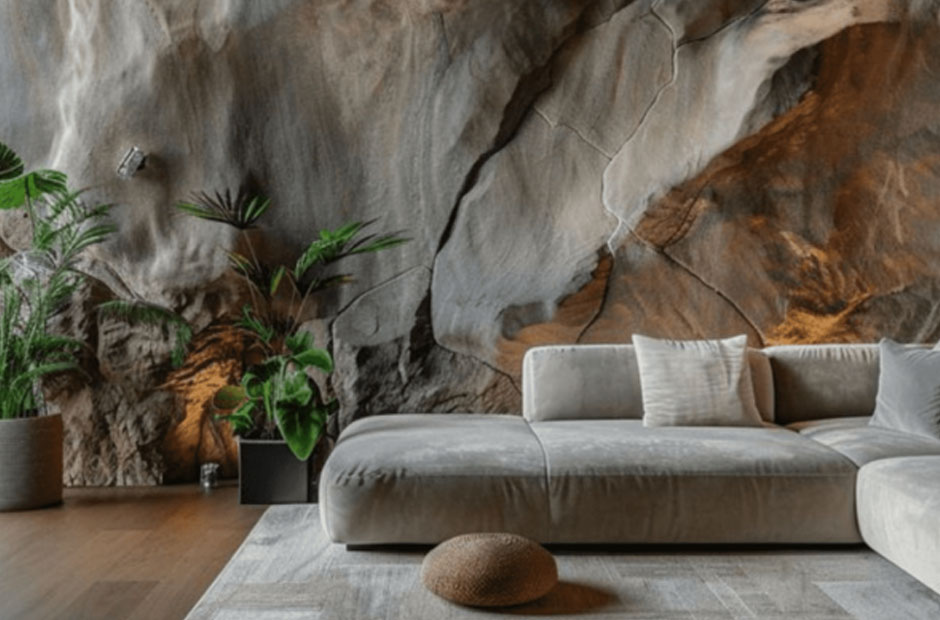
Stone surfaces have become an integral feature of contemporary interiors, admired for their timeless elegance and remarkable durability. As innovation shapes the industry, both the quality and the possibilities of stonework continue to expand, inspired by new processes, technologies, and sustainable priorities. Today, designers collaborating with a reputable stone supplier Sydney can craft interiors that celebrate stone’s natural beauty while realizing cutting-edge visions.
Tracing the journey from ancient applications to present-day solutions reveals a fascinating evolution. The rise of stone as a staple of luxury and longevity aligns closely with the broader movement toward authenticity and biophilic design. As homeowners and commercial clients alike seek lasting, personalized interiors, advancements in stone processing allow for extraordinary precision and creativity.
The pursuit of excellence in stone applications now involves state-of-the-art machinery and digital modeling, marrying an enduring material to the fluency of modern design. In the pursuit of sustainable solutions, the industry champions responsible quarrying, resource reuse, and innovations that reduce environmental impact. These developments empower both artisans and clients to embrace stone in new ways, as a functional and aesthetic highlight in modern spaces.
Evolution of Stone in Interior Design
Historically, stone surfaces served primarily a structural role, associated with monumental architecture and foundational strength. In the modern era, however, stone’s role has shifted. It is now a centerpiece of interior aesthetics, reflecting a desire for organic textures, subtle luxuries, and a tangible link to the natural world. Polished marble, textured granite, and softly honed travertine not only support but enhance the visual and tactile experience of a living or working space.
The popularity of stone as a design choice also responds to changing preferences. Clients increasingly choose materials that endure both physically and stylistically, offering a counterbalance to synthetic trends and fleeting fashion cycles. This movement aligns with the growing emphasis on authenticity and well-being in interior design, seen in surfaces that radiate warmth, stability, and familiarity.
Technological Advancements in Stone Processing
Innovation is at the core of stone’s enduring appeal in modern interiors. The adoption of Computer Numerical Control (CNC) machines has enabled artisans and manufacturers alike to achieve intricate details with remarkable precision. CNCs, water jet systems, and laser-guided saws have all contributed to greater efficiency, reduced material waste, and quality assurance on a millimeter scale.
Water jet cutting, using streams of abrasive material, gently slices through stone to preserve its natural structure and allow ornate inlays or custom geometric designs. Digital templating systems, meanwhile, allow designers to preview designs in a virtual setting before work even begins, ensuring precision and client satisfaction in the final fit. Robust advances in stone finishing also allow for stunning surface textures and a range of sheens, making stone more versatile than ever.
Popular Stone Types and Their Applications
- Marble:Celebrated for its unmistakable veining and sophisticated finish, marble remains a top choice for kitchens, bathroom vanities, and opulent entryways. Its association with timeless luxury is a key part of its appeal.
- Granite:Praised for its density and resilience, granite is ideal for high-traffic surfaces such as countertops and flooring. Its broad range of colors and patterns allows for creative expression within a practical framework.
- Travertine:Known for its gentle palette and porous, weathered look, travertine brings a rustic charm that works beautifully in bathrooms, patios, or transitional spaces where a natural feel is sought.
The choice of stone type is deeply connected to both the intended mood of a room and its functional demands. Every variety presents unique strengths, enabling designers and homeowners to choose materials that harmonize with their vision and lifestyle.
Sustainable Practices in Stone Utilization
The stone industry’s shift toward sustainability is transforming how stone is sourced and installed. Quarries have increasingly adopted energy-efficient equipment and mindful extraction techniques to minimize landscape disturbance. Recycling stone remnants, repurposing offcuts for mosaics or smaller-scale features, and optimizing transportation logistics all contribute to a reduced carbon footprint.
New standards and certifications are being developed that emphasize responsible production and transparency throughout the supply chain. As sustainable construction gains traction with clients and professionals, this focus enhances the appeal of stone in green buildings and eco-conscious renovations.
Innovative Installation Methods
Flexible stone veneers have profoundly expanded the design applications of stone. With the ability to adapt to curves, arches, and lightweight structures, these thin sheets of natural stone can be installed over surfaces traditionally considered incompatible with stone, such as domed ceilings or custom furniture. This flexibility enables creative freedom and reduces structural reinforcement requirements, making stone accessible for a wider range of projects and budgets.
Rapid-install interlocking systems and lightweight backing materials are also gaining popularity, further supporting large-format installations and complex architectural forms that were once considered impractical for natural stone.
Future Trends in Stone Surface Design
Digital texture technology is poised to redefine engineered surfaces within the world of high-end design. By replicating the depth and detail of natural stone, digital techniques expand the palette of colors and finishes previously limited by geology. Rising demand for sustainable, non-porous sintered stone surfaces is opening new possibilities for kitchens, bathrooms, and commercial settings that were once reserved exclusively for quarried stone.
As design professionals look ahead, the integration of smart technologies, 3D printing, and new finishing techniques signals a future in which stone surfaces will remain both a symbol of tradition and an emblem of innovation. The next generation of interiors will leverage both natural and engineered stone to achieve spaces that are functional, sustainable, and visually striking.
In summary, the blend of tradition and modern technology has elevated stone surfaces to the forefront of interior design. The ongoing commitment to sustainability, precision, and aesthetic refinement ensures that stone will remain a preferred material for those seeking singular, enduring spaces rooted in natural beauty.