Water has always played a central role in landscape design. From ancient gardens to modern backyards, moving water has been used to create calm, balance, and a sense of connection with nature. Today, as sustainability becomes a priority, many pond owners are rethinking how their water features are powered. One solution gaining steady attention is the solar powered waterfall pump, a system that combines visual appeal with environmental responsibility.
Rather than relying on traditional electricity, solar-powered pumps use sunlight to keep water flowing, points out C&C Property Management solutions. This approach offers both practical and ecological advantages, especially for ponds and garden waterfalls. Understanding why these systems matter helps explain their growing role in outdoor spaces.
How a Solar-Powered Waterfall Pump Works
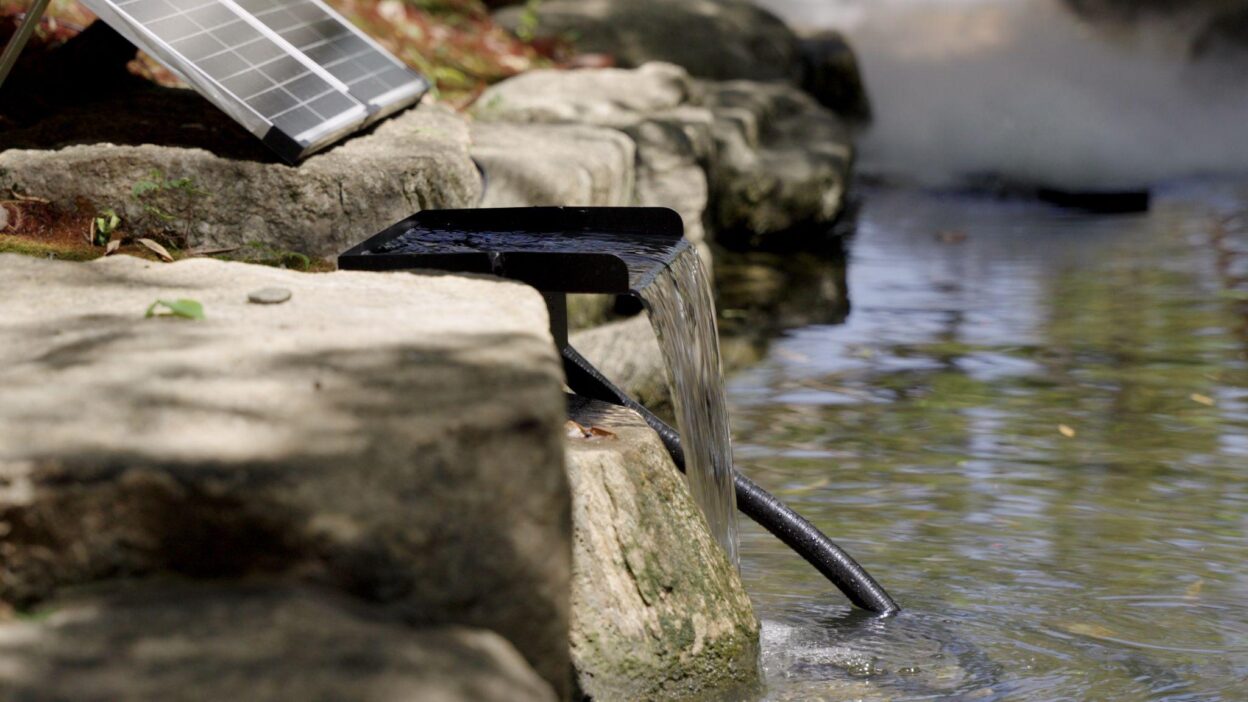
A solar powered waterfall pump operates by converting sunlight into usable energy. A solar panel collects light and generates electricity, which powers the pump that moves water from the pond up to the waterfall outlet. Gravity then brings the water back down, creating a continuous cycle as long as sunlight is available.
This process mirrors natural water movement found in streams and cascades. Because the system doesn’t depend on grid power, it can function independently in remote or open garden areas. The simplicity of this setup is one reason solar-powered waterfall systems are often chosen for residential ponds.
Some systems are designed to work only in direct sunlight, while others may include limited energy storage to maintain flow during brief cloudy periods. In either case, the goal remains the same: to create reliable water movement using renewable energy.
The Importance of Water Circulation in Ponds
Water movement is not just about appearance. In a pond, circulation is essential for maintaining a healthy environment. Without movement, water can become stagnant, leading to low oxygen levels, algae buildup, and unpleasant odors.
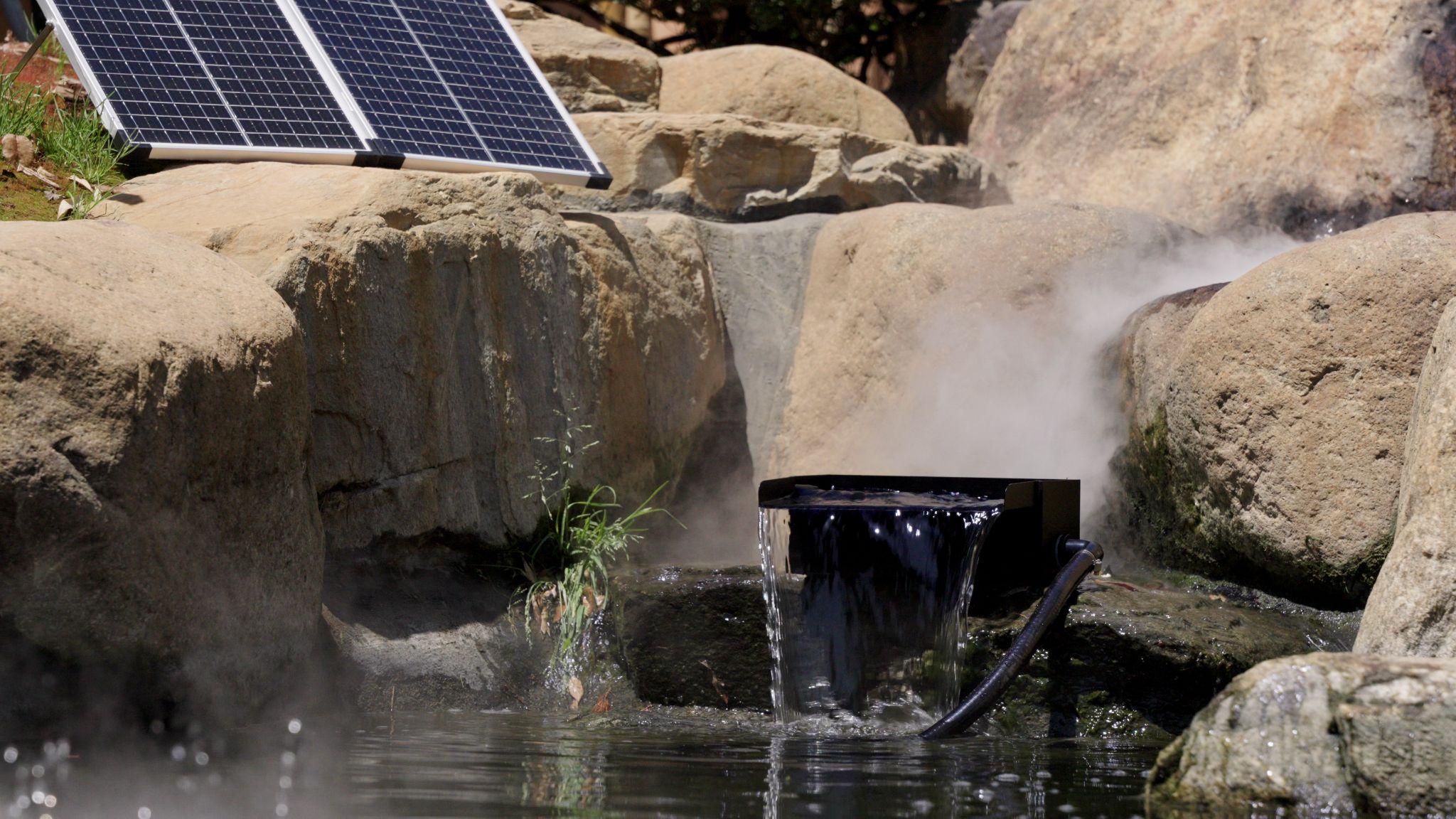
A solar powered waterfall pump helps prevent these problems by continuously circulating water. As water flows over the waterfall and splashes back into the pond, it absorbs oxygen from the air. This oxygen supports beneficial bacteria that break down organic waste, improving water clarity over time.
For ponds with fish or aquatic plants, oxygenation is especially important. Fish depend on well-oxygenated water to survive, and plants benefit from evenly distributed nutrients. A waterfall powered by solar energy supports these natural processes without increasing energy consumption.
Visual and Sensory Benefits of Waterfalls
Beyond functionality, waterfalls bring a strong visual impact to a pond. The movement of cascading water draws the eye and adds depth to the landscape. Even a modest waterfall can turn a simple pond into a focal point.
Sound is another key element. The gentle noise of flowing water can soften harsh background sounds, such as traffic or nearby activity. Many people find that this sound creates a more peaceful and inviting outdoor environment.
A solar powered waterfall pump allows these benefits without introducing visible wiring or electrical equipment. This helps maintain a natural appearance, which is often a priority in garden and pond design.
Environmental Advantages of Solar Power
One of the most compelling reasons to use a solar powered waterfall pump is its environmental impact. Solar energy is renewable and produces no emissions during operation. By relying on sunlight, these pumps reduce dependence on fossil fuels and lower overall energy use.
This choice aligns with broader efforts to make outdoor spaces more sustainable. For homeowners who already use solar lighting or other solar-powered features, adding a solar waterfall pump is a logical extension of that approach.
There is also an educational aspect. Seeing a water feature powered entirely by sunlight reinforces the idea that renewable energy can be practical and effective, even in everyday applications.
Flexibility in Placement and Design
Traditional waterfall pumps often require access to electrical outlets, which can limit where a pond or waterfall can be placed. In contrast, a solar powered waterfall pump offers greater flexibility. As long as the solar panel receives adequate sunlight, the system can function in a wide range of locations.
This flexibility is especially useful in larger gardens or natural landscapes where running electrical lines would be disruptive or costly. It also makes solar-powered systems appealing for people who want to avoid permanent alterations to their property.
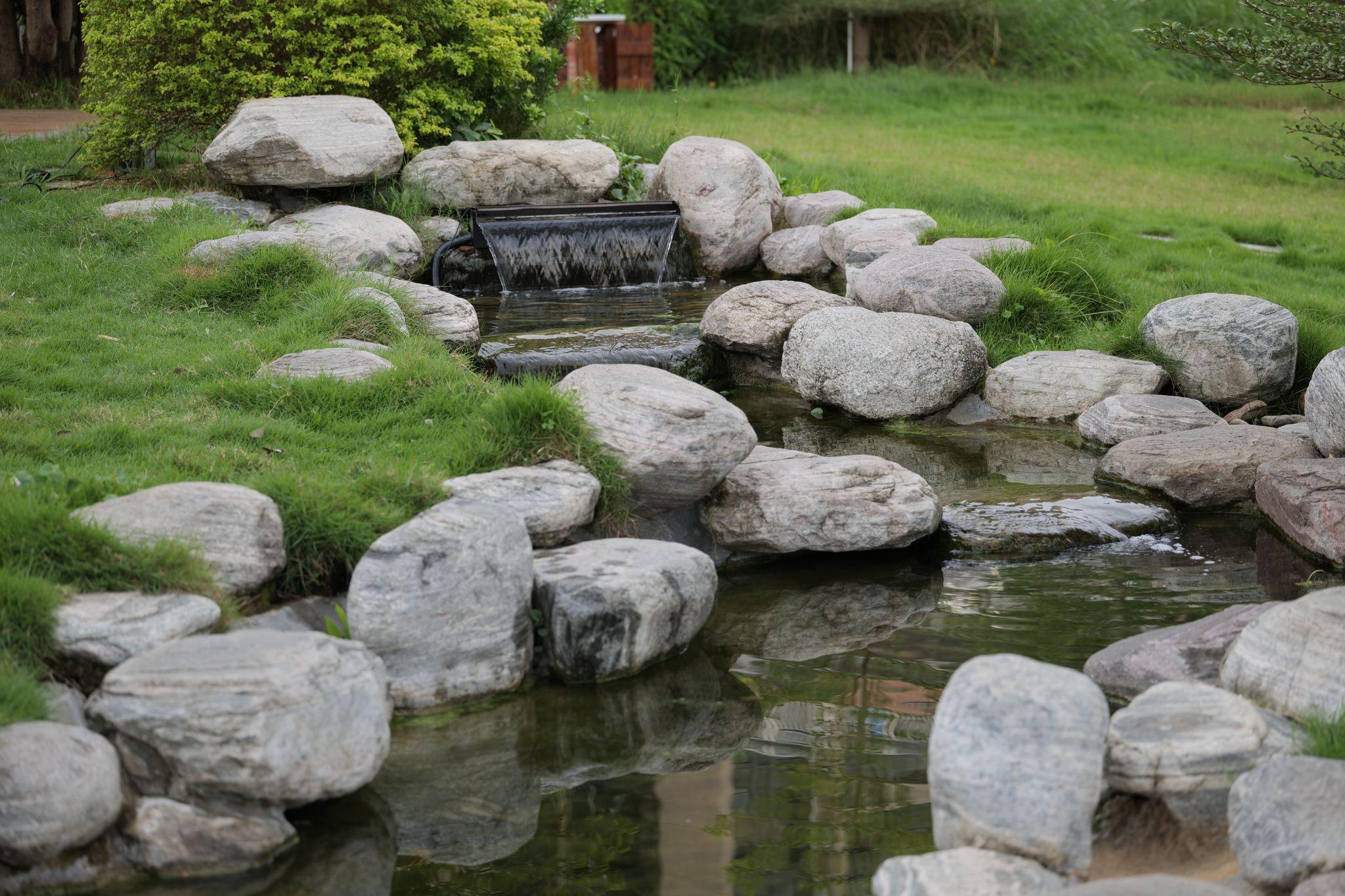
From a design perspective, solar pumps can be incorporated into both formal and natural-style ponds. Rocks, gravel, and plants can be arranged around the waterfall to create a seamless, organic look.
Maintenance and Long-Term Use
Maintenance is another area where solar-powered waterfall systems offer advantages. With fewer electrical components and no connection to household power, there is less risk of electrical issues related to water exposure.
Routine care usually involves clearing debris from the pump intake and ensuring the solar panel remains clean and unobstructed. These simple tasks help maintain consistent performance and extend the life of the system.
Over time, the reduced energy costs and minimal upkeep can make solar-powered pumps a practical long-term solution for pond owners.
Understanding Limitations and Expectations
While solar-powered waterfall pumps offer many benefits, it’s important to understand their limitations. Performance depends on sunlight, which means water flow may decrease during cloudy weather or in shaded areas.
Proper placement of the solar panel is essential. Areas with consistent sun exposure will provide the best results. Additionally, these pumps are typically best suited for small to medium waterfalls rather than large, high-volume cascades.
By matching the system to the pond’s size and conditions, pond owners can ensure reliable and satisfying performance.
A Sustainable Way to Enhance Pond Life
The solar powered waterfall pump represents a thoughtful blend of nature and technology. It supports healthier ponds, enhances visual appeal, and reduces environmental impact all at once.
Rather than being purely decorative, a solar-powered waterfall plays an active role in maintaining water quality and supporting life within the pond. Its quiet operation and reliance on sunlight make it a fitting choice for modern outdoor spaces focused on sustainability.
In the end, the appeal of a solar-powered waterfall lies in its balance. It offers beauty without excess, function without complexity, and movement without wasted energy. For those looking to improve their ponds in a responsible and lasting way, it stands as a practical and meaningful option.