A heating system is one of the most important investments in any home, especially in regions that experience cold winters. While homeowners often focus on selecting a high-efficiency unit, the quality of the installation process is equally important. Even the most advanced heating equipment can struggle to perform correctly if installed improperly. Professional installation helps ensure optimal efficiency, dependable operation, and long-term comfort while reducing unnecessary energy consumption and repair costs.
Many homeowners researching furnace installation focus primarily on equipment specifications and efficiency ratings. However, installation quality directly affects how effectively a heating system operates. Proper sizing, airflow calibration, ductwork compatibility, and safety testing all contribute to performance. When installation is completed correctly from the start, homeowners benefit from lower utility bills, improved indoor comfort, and fewer unexpected breakdowns throughout the system’s lifespan.
Proper Sizing Plays a Critical Role
One of the most important aspects of heater installation is selecting the correct system size for the property. A furnace that is too large or too small can create ongoing performance issues.
Why Oversized Systems Cause Problems
Oversized units often heat spaces too quickly and shut off before completing full heating cycles. This process, known as short cycling, increases wear on components while reducing overall efficiency. It may also create uneven temperatures throughout the home.
Undersized systems face a different challenge. They must run continuously to meet heating demands, increasing energy consumption and accelerating mechanical wear. Proper furnace installation includes professional load calculations that account for square footage, insulation levels, window placement, and climate conditions to ensure accurate sizing.
Energy Efficiency Starts with Installation Quality
A high-efficiency furnace can only deliver expected savings when installed according to manufacturer specifications and industry standards.
How Installation Impacts Efficiency
Incorrect airflow settings, poor duct connections, and improper ventilation can force a heating system to work harder than necessary. This increases utility costs and reduces overall performance.
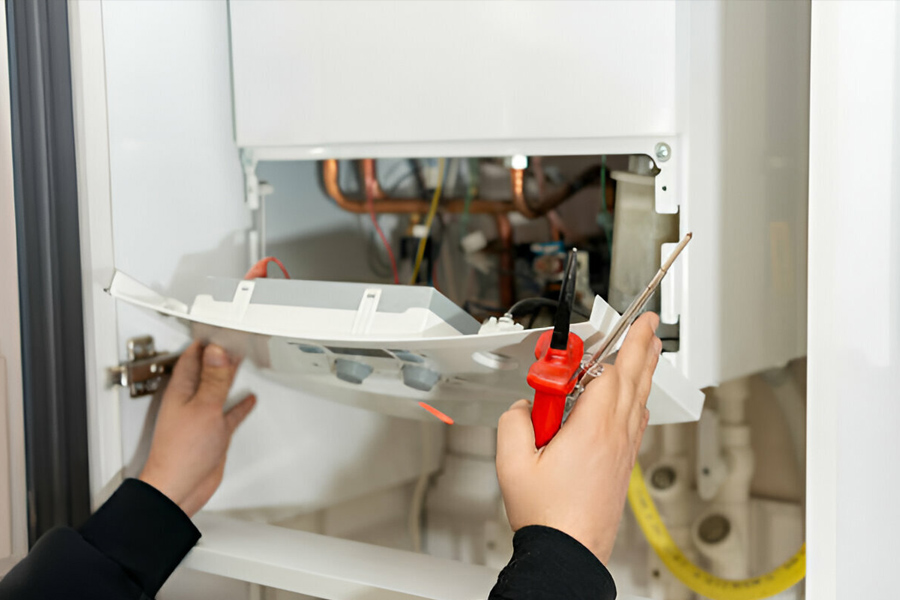
Professional installers verify airflow, inspect ductwork, and test system operation before completing the project. These steps help maximize fuel efficiency while supporting consistent indoor temperatures throughout the heating season.
Ductwork Compatibility Affects Performance
Heating systems rely on ductwork to distribute warm air efficiently throughout the home. Even a new furnace may struggle if connected to damaged or poorly designed ducts.
Common Ductwork Issues
Leaks, crushed sections, poor insulation, and improper sizing can reduce airflow and waste energy. Conditioned air may escape into attics, crawl spaces, or wall cavities instead of reaching living areas.
Signs Ductwork May Need Attention:
- Uneven room temperatures
- High energy bills
- Excess dust accumulation
- Weak airflow from vents
- Noisy duct operation
- Frequent furnace cycling
Addressing ductwork concerns during installation helps improve comfort and efficiency.
Reliability Improves with Professional Installation
A properly installed heating system experiences less strain during daily operation. Components work together more effectively, reducing the likelihood of premature failures.
Why Installation Quality Matters
Improper electrical connections, poor venting, and incorrect system configuration can contribute to operational issues over time. These mistakes may not be immediately noticeable but often result in increased repair needs later.
Professional installers perform safety checks, calibrate controls, and confirm proper operation before placing the system into service. These measures help improve reliability while supporting consistent heating performance throughout winter.
Indoor Comfort Depends on Balanced Heating
Reliable comfort involves more than simply producing warm air. A properly installed system distributes heat evenly and maintains stable indoor temperatures.
Temperature Consistency Benefits
When airflow and system controls are configured correctly, homeowners experience fewer hot and cold spots throughout the property. Improved circulation also supports better humidity control and indoor air quality.
Balanced heating reduces the workload on HVAC equipment while helping occupants enjoy a more comfortable living environment year-round.
Benefits of Professional Heater Installation:
- Lower energy consumption
- Improved temperature consistency
- Reduced repair frequency
- Better indoor air quality
- Longer equipment lifespan
- Enhanced system reliability
These advantages often provide long-term savings that exceed the initial installation investment.
Safety Should Never Be Overlooked
Heating systems involve fuel combustion, electrical components, and ventilation systems that require proper configuration for safe operation.
Potential Risks of Improper Installation
Incorrect venting may increase the risk of carbon monoxide exposure, while faulty electrical connections can create fire hazards. Poor gas line connections may also affect system safety and performance.
Professional HVAC technicians follow established safety standards and local building codes to help protect homeowners and ensure reliable operation.
Preventative Maintenance Becomes More Effective
A properly installed heating system is easier to maintain and monitor throughout its lifespan. Regular service visits can focus on preserving performance rather than correcting installation-related issues.
Maintenance Supports Long-Term Savings
Annual inspections, filter replacements, airflow testing, and thermostat calibration help keep systems operating efficiently. Preventative maintenance also allows technicians to identify minor concerns before they develop into costly repairs.
Homeowners who combine professional installation with routine maintenance often achieve the best long-term performance and value.
Smart Technology Works Best with Proper Setup
Modern heating systems frequently include smart thermostats and advanced control features that improve efficiency and convenience.
Technology Integration Benefits
Smart controls help optimize heating schedules, reduce energy waste, and provide better insight into household energy usage. However, these features perform best when properly configured during installation.
Accurate setup ensures communication between system components and helps maximize the benefits of energy-saving technologies.
Additional Energy-Saving Strategies:
- Replace air filters regularly
- Seal air leaks around windows and doors
- Schedule annual HVAC inspections
- Upgrade insulation where needed
- Use programmable thermostat settings
- Keep supply vents unobstructed
Combining these practices with quality installation can significantly improve heating efficiency.
Closing Remarks
Proper heater installation is one of the most important factors influencing energy savings, system reliability, and indoor comfort. Correct sizing, professional setup, ductwork evaluation, and safety testing help heating systems operate efficiently while reducing repair risks and utility costs. Homeowners who invest in expert furnace installation often benefit from longer equipment lifespan, improved temperature consistency, and better indoor air quality. By pairing professional installation with regular maintenance, households can enjoy dependable heating performance and greater energy efficiency for many years.