A slow sink, standing water in the shower, or unpleasant odors coming from drains can quickly disrupt daily routines and create stress throughout the household. While occasional clogs are common, frequent drain backups often point to larger plumbing issues that should not be ignored.
In many homes, drain problems develop gradually over time. Grease buildup, soap residue, food waste, hair, and aging pipes can slowly restrict water flow until drains stop working properly. If left untreated, these issues may eventually lead to pipe damage, sewage backups, or expensive plumbing repairs.
Homeowners in cities like Cleveland often deal with additional plumbing challenges due to seasonal weather changes, older plumbing systems, and underground sewer line issues. Cold winters and aging infrastructure can place extra strain on residential plumbing systems, increasing the likelihood of recurring drain problems.
Understanding the most common causes of drain backups can help homeowners recognize warning signs early and take steps to prevent more serious plumbing emergencies in the future.
Grease, Food Waste, and Debris Commonly Cause Kitchen Drain Backups
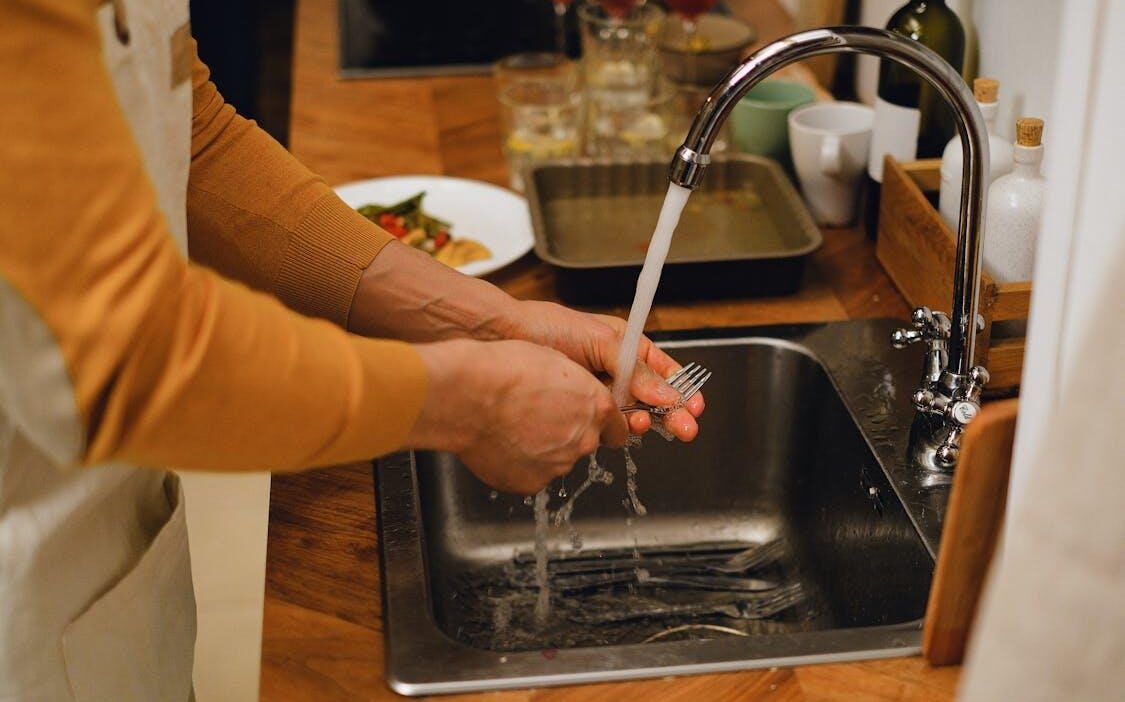
Kitchen drains experience heavy daily use, which makes them especially vulnerable to clogs and backups. One of the most common causes of kitchen drain problems is grease buildup inside the pipes.
Although grease may appear harmless when poured down the drain in liquid form, it often cools and hardens as it moves through the plumbing system. Over time, grease sticks to the inside of pipes and traps food particles, soap residue, and debris that gradually reduce water flow.
Certain food items can also contribute to drain blockages. Coffee grounds, pasta, rice, eggshells, and fibrous vegetables may collect inside pipes or garbage disposals and create stubborn clogs.
Homeowners dealing with recurring kitchen drain problems often look for professional help. If you’re also looking for drain cleaning services Cleveland, OH, residents rely on local experts to remove deep buildup, restore proper drainage, and help prevent future plumbing issues that can lead to costly repairs or water damage.
Professional drain cleaning equipment can often clear blockages that basic household methods cannot fully remove. This helps improve long-term drain performance and reduces the risk of repeated backups.
Preventative habits also play an important role in maintaining healthy kitchen drains. Avoiding grease disposal, using sink strainers, and disposing of food waste properly can help reduce buildup inside the plumbing system.
Regular maintenance and responsible kitchen habits help keep drains functioning more efficiently over time.
Hair and Soap Residue Frequently Block Bathroom Drains
Bathroom drains are another common source of recurring plumbing problems. Hair, soap residue, toothpaste, and personal care products frequently build up inside shower, bathtub, and sink drains.
Hair is especially problematic because it easily combines with soap scum and other debris to form thick clogs inside pipes. Over time, these blockages restrict water flow and may eventually prevent drains from working properly.
One of the earliest warning signs is slow drainage. Water may begin pooling in sinks or tubs before draining completely. Gurgling sounds, standing water, or unpleasant odors may also indicate developing clogs.
Soap residue can worsen the problem by coating the inside of pipes and trapping additional debris. In homes with hard water, mineral buildup may further narrow plumbing lines over time.
Simple maintenance habits can help reduce bathroom drain issues. Drain covers help catch hair before it enters the pipes, while regular flushing with hot water may help clear minor buildup.
Homeowners should also avoid flushing products such as wipes, cotton swabs, or hygiene items down toilets, even if they are labeled as flushable.
Addressing bathroom drain problems early often prevents more serious plumbing repairs later.
Tree Roots Can Damage Underground Sewer Lines
Tree roots are a major cause of recurring drain backups, particularly in older neighborhoods where large, mature trees are common.
Roots naturally seek moisture and may enter underground sewer lines through tiny cracks or pipe joints. Once inside the pipes, roots continue growing and gradually block wastewater flow.
As roots expand, they may cause pipe damage, cracks, or complete blockages that affect multiple drains throughout the home. Unlike smaller household clogs, root intrusion often creates recurring plumbing issues that return even after temporary clearing attempts.
Signs of sewer line root problems may include sewage odors, frequent backups in several drains, slow toilets, or unusually wet areas in the yard.
Because underground sewer lines are hidden from view, professional inspections are often necessary to identify the exact cause of the problem. Specialized cameras may be used to inspect pipes and locate root intrusion or structural damage.
Ignoring sewer line problems can eventually lead to serious water damage, sewage exposure, and expensive pipe repairs.
Homeowners with recurring drain issues affecting multiple fixtures should consider having their sewer lines professionally evaluated.
Older Plumbing Systems May Contribute to Recurring Backups
Older plumbing systems are more likely to experience recurring drain issues due to years of wear, corrosion, and buildup inside pipes.
In many older homes, pipes gradually narrow as rust, mineral deposits, grease, and debris accumulate along the interior surfaces. This reduces water flow and increases the likelihood of clogs and backups.
Aging pipes may also develop cracks, leaks, or structural weaknesses that affect overall plumbing performance. Some older plumbing materials are more vulnerable to corrosion and deterioration over time.
Modern households often place greater demands on plumbing systems than older homes were originally designed to handle. Increased appliance usage, larger families, and higher water consumption may strain outdated plumbing infrastructure.
Recurring drain issues in older homes may indicate that deeper plumbing repairs or pipe replacements are necessary.
Professional plumbing inspections can help identify hidden problems inside aging pipes before serious damage occurs. Early detection often helps homeowners avoid more expensive repairs later.
Maintaining older plumbing systems requires consistent attention and preventative care to support long-term performance and reliability.
Poor Drain Habits Often Make Plumbing Problems Worse
Everyday household habits have a major impact on drain health. Many drain backups develop slowly because of repeated behaviors that place unnecessary strain on the plumbing system.
Pouring grease down kitchen drains remains one of the most common mistakes homeowners make. Even small amounts can build up over time and contribute to stubborn blockages.
Flushing wipes, paper towels, feminine hygiene products, or excessive toilet paper may also damage plumbing systems and create sewer line clogs.
Some homeowners rely too heavily on chemical drain cleaners when slow drains appear. While these products may temporarily improve drainage, repeated use can damage pipes and worsen plumbing issues over time.
Improper garbage disposal use is another common problem. Certain foods should never enter disposals because they may clog pipes or damage the equipment.
Teaching proper drain habits throughout the household can significantly reduce the risk of recurring backups.
Frequent drain backups are often caused by a combination of buildup, aging plumbing systems, poor drain habits, and hidden sewer line issues. While some clogs may seem minor at first, recurring drain problems usually indicate deeper plumbing concerns that should not be ignored.
Identifying the problems early helps homeowners avoid larger plumbing emergencies and expensive repair costs.
Simple maintenance habits, routine inspections, and professional drain cleaning when necessary can help keep plumbing systems functioning more efficiently throughout the year.