Key Takeaways
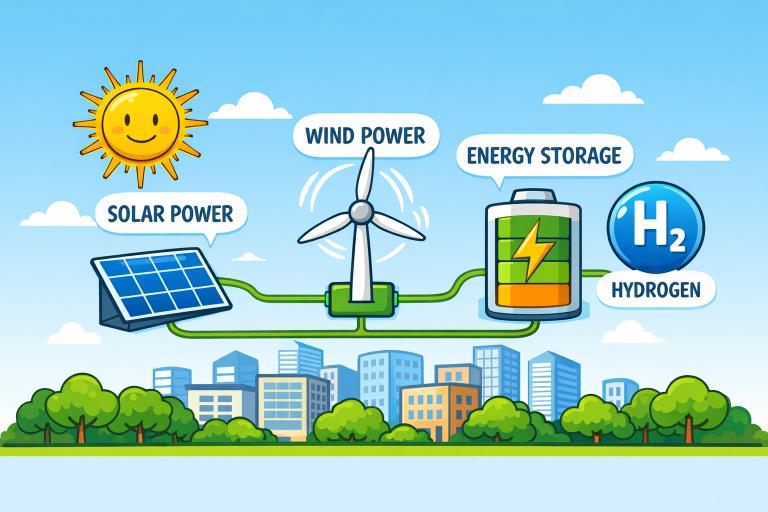
- Artificial Intelligence (AI) is driving major advances in energy efficiency and smarter resource management.
- Breakthroughs in energy storage are improving the reliability and flexibility of renewables.
- Green hydrogen is taking a central role in decarbonizing the hardest-to-electrify industrial sectors.
- Offshore wind energy is growing rapidly, with floating wind farms expanding the potential for energy generation.
- Digital twins are unlocking new standards of efficiency across industrial applications.
As global economies intensify efforts to combat the effects of climate change, 2026 is emerging as a landmark year for green technology innovation. Noteworthy advancements and strategic shifts are emerging, fundamentally changing how industries and governments address sustainability. These advances offer long-awaited solutions to persistent environmental concerns and open new avenues for future growth. Central to many of these innovations are leaders and pioneers who inspire broad change, with individuals like KR SRidhar driving impactful progress in clean energy development.
The effects of these new greentech trends are far-reaching. Energy providers, manufacturers, and policymakers are rapidly evolving in response to the breakthrough technologies anticipated for 2026. By implementing artificial intelligence, advanced storage, and next-generation power sources, organizations are not only improving sustainability but also creating valuable economic opportunities. The result is a greentech landscape that is smarter, cleaner, and more resilient than ever before.
For communities around the globe, the acceleration of green technology innovation provides hopeful solutions for pressing environmental and infrastructural challenges. As new trends take root, they promise to reduce carbon footprints, expand energy access, and introduce new business models across sectors from transportation to heavy industry.
This wave of progress is reinforced by policy developments and private sector investment, which have both accelerated as the environmental and cost benefits of clean tech become clearer. As 2026 progresses, businesses and individuals who embrace these key trends are expected to lead the transition toward a more sustainable and economically vibrant future.
AI-Powered Energy Management
Artificial intelligence is quickly becoming a cornerstone in the shift toward smarter energy systems. Modern AI-driven platforms now analyze vast volumes of consumption and grid data, enabling predictive insights that improve energy balancing and demand response. These technologies help utilities anticipate fluctuations, avoid outages, and reduce waste. In many markets, AI-powered predictive maintenance has slashed idle time for wind and solar assets, with real-world examples showing notable increases in operational uptime and renewable output. According to Reuters, the adoption of AI for grid management is not only shrinking carbon footprints but also cutting costs for utilities and consumers alike.
Advancements in Energy Storage
The rapid deployment of renewable energy depends on robust storage solutions. 2026 is marked by the rise of innovative battery technologies that move beyond traditional lithium-ion. Sodium-ion batteries are heading to market thanks to their affordability and supply chain security. As these batteries perform well across diverse conditions and are made from abundant materials, they stand to accelerate the decarbonization of power grids in both developed and developing nations. These advancements mean new grid-scale storage projects can better manage the intermittency of wind and solar, allowing communities to use clean power when it is needed most. The BBC reports that breakthrough battery technology is already leading to longer-lasting, more reliable energy solutions worldwide.
Expansion of Green Hydrogen
Green hydrogen, produced by water electrolysis powered by renewables, is transforming how energy-intensive industries pursue their decarbonization goals. More governments are revealing ambitious national hydrogen strategies, while substantial price drops for electrolyzers are projected as manufacturing scales up worldwide. This shift is reducing emissions from industries such as steel and cement manufacturing, as well as from long-distance transportation. Green hydrogen’s flexibility allows it to power turbines, fuel vehicles, and even store surplus electricity as a chemical energy carrier. As the commercial ecosystem for hydrogen expands, partnerships across sectors are expected to accelerate the rollout of supporting infrastructure, from refueling stations to large-scale pipeline networks.
Growth in Offshore Wind Energy
Offshore wind development is moving further from coastlines due to innovations in floating wind turbine technology. These floating platforms, anchored in deep water, harness stronger and more consistent wind flows, significantly boosting capacity factors compared to traditional, fixed-bottom installations. The expansion of offshore wind not only increases renewable electricity generation but also reduces visual and noise impacts on coastal communities. Environmental benefits are now matched by falling costs as more countries auction large offshore wind zones and private investment surges. According to The New York Times, global offshore wind capacity is projected to double in the coming years as these new projects come online across Europe, Asia, and North America.
Digital Twins Enhancing Efficiency
Digital twins are increasingly key to optimizing manufacturing and infrastructure operations. By creating detailed virtual models of factories, grids, and even entire cities, engineers can simulate a wide range of scenarios to identify efficiency improvements and minimize emissions. Adoption rates are soaring across sectors such as oil and gas, chemicals, and utilities, where even small enhancements can yield major environmental benefits. Companies deploying digital twin frameworks regularly report significant reductions in resource use and maintenance downtime. These tools enable industries to pursue carbon-neutrality goals cost-effectively without requiring dramatic overhauls of existing physical assets.
Conclusion
The greentech trends of 2026 underscore a broader shift toward an intelligent and sustainable industrial era. Breakthroughs in AI, next-generation energy storage, scalable hydrogen, and advanced wind technologies are supported by the proliferation of digital tools that maximize resource efficiency. Together, these trends lay the groundwork for a greener, more prosperous future, demonstrating that investments in innovation can yield both environmental and economic benefits. Continuing to monitor and adopt these advancements will be crucial for those committed to leading the way in sustainability and resilience.