Summer brings longer days, outdoor fun, and a lot more coordination for dog owners trying to balance work, travel, and pet care. While the season is exciting, it also comes with challenges like heat management, inconsistent routines, and finding reliable care when you are away from home.
The key to a smooth summer is structure. Dogs thrive on consistency, and even small adjustments. This guide breaks down a practical summer schedule that helps busy owners stay organized while keeping their dogs safe, happy, and well cared for.
Building a Summer Routine That Works for You and Your Dog
A solid routine starts with understanding how summer heat affects your dog’s energy levels. Most dogs are more active in the early morning and late evening. At the same time, midday heat can be uncomfortable or even dangerous for extended outdoor time.
Morning walks and heat safety
Early mornings are the best time for walks, training, and outdoor play. Try to keep these sessions consistent, ideally before temperatures rise too high. Pavements can heat up quickly, so always check with your hand before walking your dog on hard surfaces.
During this time, you can also handle essential grooming and hygiene tasks. Keeping your dog clean and comfortable helps reduce shedding, skin irritation, and overheating during hot weather. Many busy owners now rely on professional mobile pet grooming because it brings convenience directly to the home, saving time while ensuring dogs stay fresh, brushed, and summer-ready without the stress of travel or long waiting times.
Midday breaks and indoor comfort
As the sun gets stronger, dogs should stay indoors in a cool, shaded, or air-conditioned space. That is the ideal time for mental stimulation instead of physical exercise. Puzzle toys, chew items, or short training refreshers can keep them engaged without overheating.
Make sure water bowls are always full and placed in multiple areas of the home so your dog stays hydrated throughout the day.
Feeding, Hydration, and Energy Balance in Hot Weather
Summer heat can affect a dog’s appetite and digestion. Some may eat less during the day, while others need adjusted feeding times to match their energy output.
Here are a few practical feeding adjustments:
- Avoid heavy meals right before walks or outdoor activity
- Add moisture-rich food options when appropriate, like wet food or water mixed with kibble
- Monitor appetite changes and energy levels closely
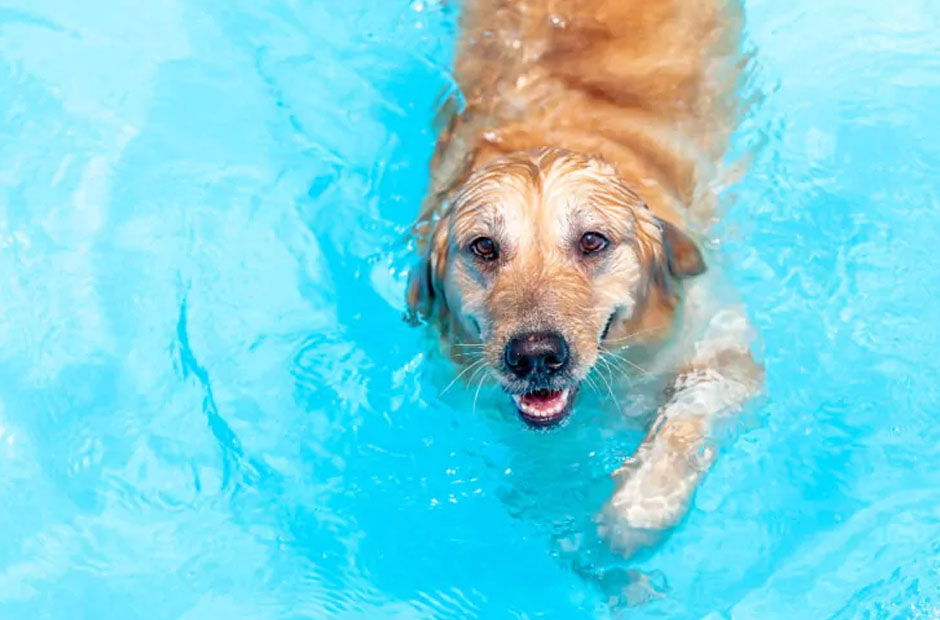
Hydration is equally important. Dogs should always have access to fresh, cool water. On especially hot days, adding ice cubes to water bowls or using pet-safe cooling mats can help regulate body temperature.
Exercise and Social Time Without Overheating
Exercise is still essential in summer, but it needs to be carefully timed and adjusted. Overexertion in heat can lead to fatigue, dehydration, or heatstroke.
Instead of long, intense sessions, focus on shorter and more frequent activities:
- Early morning brisk walks
- Short evening play sessions
- Indoor fetch or tug games
- Controlled social interactions with other dogs
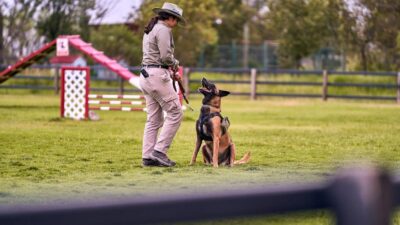
Dog socialization is also important, especially during the summer when routines can become inconsistent. Controlled environments are often safer than open outdoor spaces during peak heat hours. Structured daycare settings or supervised group play can help maintain social balance while keeping dogs safe and engaged.
When You’re Away: Reliable Care Options for Busy Days
Summer schedules often include vacations, longer work hours, or day trips, making it difficult to maintain consistent home care. Planning ensures your dog is not left alone for too long and continues to receive proper attention.
It is where professional support becomes especially helpful. A trusted pet care facility in Ashburn, VA, can provide structured daytime care, supervised play, feeding schedules, and a safe environment for dogs when owners are unavailable. These facilities are designed to maintain routine, reduce separation anxiety, and ensure dogs stay active and monitored throughout the day.
Some dogs thrive in group environments, while others do better with quieter, structured settings. Either way, consistency in care helps reduce stress and keeps behavior stable during busy summer weeks.
Self-Care for Owners and Keeping Your Home Comfortable
Taking care of your dog during summer also means caring for your own energy and home environment. Busy schedules can easily lead to burnout if everything is not balanced properly.
Start with simple self-care habits:
- Plan your dog’s routine around your work schedule, not the other way around
- Keep backup care options ready for emergencies or long days
- Set reminders for feeding, walks, and hydration checks
Home comfort also plays a big role. Dogs shed more during seasonal changes, which can quickly affect indoor cleanliness. Regular vacuuming, washing dog bedding, and keeping floors clean can make a noticeable difference. Many homeowners also find that professional carpet cleaning helps reduce trapped hair, allergens, and odors, especially during high-shedding months when pets spend more time indoors.
A clean, organized environment not only improves your dog’s comfort but also reduces your stress.
Building a Balanced Summer Lifestyle
The best summer routine is not about perfection. It is about balance. Dogs do not need constant activity or constant change. They need predictable care, consistent attention, and thoughtful adjustments based on weather and daily schedules.
When you combine smart timing, proper hydration, structured exercise, and reliable support systems, summer becomes much easier to manage.
Final Thoughts
A well-planned summer schedule helps both you and your dog stay comfortable, healthy, and relaxed during the busiest months of the year. By adjusting routines for heat, prioritizing hydration, and using reliable care options when needed, you create a lifestyle that works for everyone in the household.
Small changes, such as earlier walks, better feeding timing, and dependable care arrangements, can make a big difference. With the right structure in place, summer becomes less about stress and more about enjoying time with your dog.