Key Takeaways:
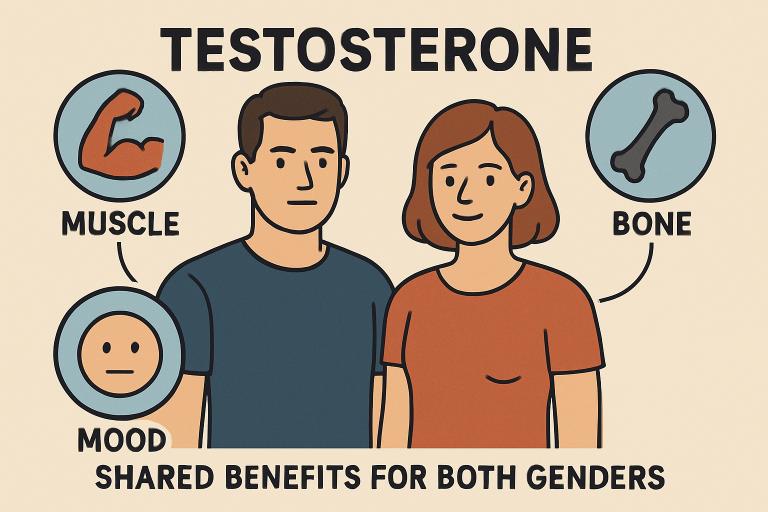
- Testosterone influences various aspects of health, including muscle mass, bone density, and mood.
- Both men and women produce testosterone, though levels and effects differ between sexes.
- Maintaining balanced testosterone levels is crucial for overall well-being.
Understanding Testosterone
Testosterone is a hormone with a remarkable impact on physical and mental health for both men and women. While it is primarily produced in the testes in men and in smaller amounts in the ovaries in women, this hormone’s influence extends far beyond sexual development. It supports muscle and bone growth and bone mass, regulates fat distribution, and is vital for maintaining energy and mood. For more on the role of testosterone and how it differs between the sexes, it is important to understand how individual needs and effects can vary.
In women, testosterone helps build lean muscle, supports bone strength, and contributes to overall hormonal balance. In men, it is a cornerstone of reproductive tissue development and is associated with traits commonly seen during male puberty, such as a deeper voice, increased body hair, and greater muscle development. Both men and women rely on testosterone for cognitive health, physical performance, and emotional stability.
Unlike many hormones that play specialized roles, testosterone is notable for its broad influence. From adolescence through late adulthood, maintaining healthy testosterone levels serves as a foundation for peak performance, well-being, and healthy aging. Hormonal fluctuations or imbalances can lead to a variety of symptoms ranging from physical fatigue to mood changes.
Testosterone’s Impact on Physical Health
Testosterone exerts powerful effects on several elements of bodily health, though TRT misconceptions often lead to confusion about its true role and benefits. One of its most recognized roles is in muscle protein synthesis. Healthy testosterone levels support the development and maintenance of muscle mass and strength, which is why low testosterone is linked to decreased physical performance and muscle size.
Muscle Mass and Strength
Maintaining adequate testosterone levels is critical to preventing age-related muscle loss. Low testosterone can accelerate the process of muscle atrophy, making resistance exercises and hormonal health important for anyone aiming to stay active and independent as they age.
Bone Density and Fat Distribution
Bone density is another area where testosterone has a dramatic influence. Lower levels are associated with a higher risk of osteoporosis and fractures, especially in later years. Testosterone also helps direct how fat is distributed in the body. Low levels are known to contribute to increased visceral fat, often seen in the abdominal region.
The WebMD guide on testosterone supports these findings, explaining how testosterone therapy can improve strength, bone density, and body composition in those with deficiencies.
Testosterone and Mental Well-Being
Physical aspects are only part of the story. Testosterone also plays a significant role in mental and emotional regulation. Adequate levels are tied to improved mood, cognitive sharpness, and higher energy. Chronic low testosterone can increase the risk of depression, persistent fatigue, and irritability, underscoring the hormone’s importance for both mental and emotional health.
Some studies indicate that restoring testosterone in those with deficiencies can alleviate symptoms of depression and improve quality of life significantly, suggesting a strong mind-body connection rooted in hormonal balance.
Factors Affecting Testosterone Levels
Several diverse factors shape testosterone production:
- Age:Levels naturally decline, usually starting around age 30, leading to the gradual onset of symptoms related to low testosterone.
- Diet:Poor dietary choices, nutrient deficiencies, and excessive alcohol intake can all lower testosterone levels.
- Exercise:Regular indulgence in physical activity, especially resistance training, can help boost and sustain healthy levels.
- Sleep:Chronic sleep deprivation is associated with reduced hormone production.
Other factors, such as chronic illness, medication use, and persistent stress, can also deplete testosterone. Since lifestyle factors are modifiable, making smart changes to diet, sleep, and exercise can positively affect testosterone levels and overall health.
Maintaining Healthy Testosterone Levels
For both men and women, the best strategy involves lifestyle tweaks rather than immediate medication. Nutrition should include foods rich in dietary zinc, vitamin D, and healthy unsaturated fats. Fermented foods can support gut health, which is intricately connected to hormone balance. Regular weight training and high-intensity interval training can naturally boost hormonal production.
Equally important is sleep. Targeting 7-9 hours of sleep per night helps align hormone cycles and optimize testosterone production. Managing stress through meditation, yoga, or deep breathing is also crucial, as prolonged stress elevates cortisol levels, which can suppress testosterone synthesis.
When to Seek Medical Advice
Pay attention to warning signs such as unexplained fatigue, persistent low mood, diminished libido, or unexplained weight changes. If you notice these symptoms persistently, consult a healthcare professional who can order blood tests and recommend tailored treatments, which may include lifestyle modification or, in more severe cases, hormone replacement therapy. Early intervention helps restore health and prevent long-term complications.
Final Thoughts
Testosterone’s role in health is complex yet central for both men and women. Understanding its broad functions and the lifestyle factors that influence hormone production empowers individuals to make choices that support lifelong vitality. With informed attention to activity, nutrition, rest, and stress management, it is possible to promote healthy testosterone levels and enhance overall well-being.