Running a successful restaurant requires more than just a talented chef and a welcoming atmosphere. Beneath the bustle of the dinner rush lies a complex ecosystem of machinery, plumbing, and electrical systems that keeps the operation moving. When these systems fail, the consequences range from minor inconveniences to catastrophic shutdowns.
What are the most critical daily restaurant maintenance tasks?
Daily maintenance goes beyond the standard closing checklist. It involves inspecting the functionality of your equipment to prevent small issues from becoming expensive repairs.
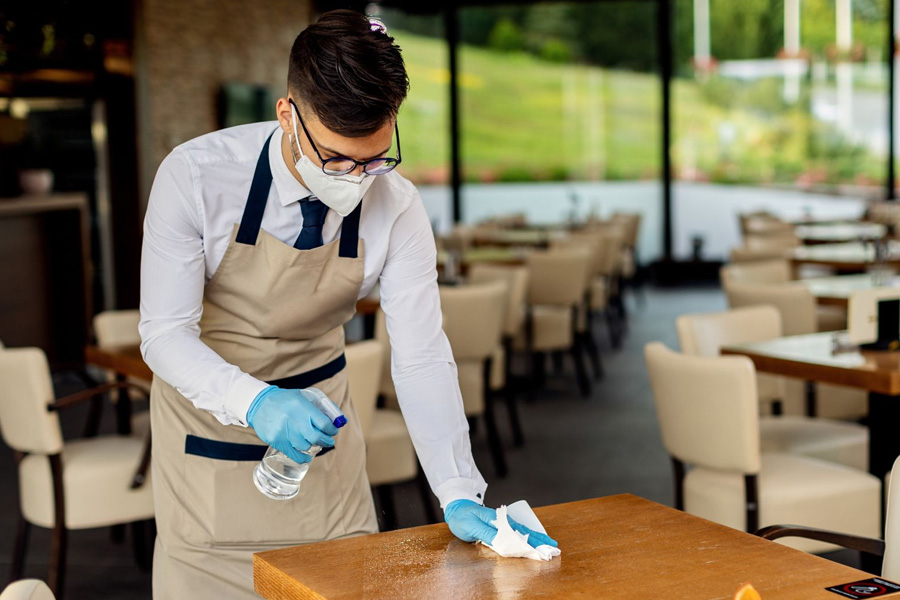
Kitchen and dining area cleaning routines
Standard sanitation is non-negotiable, but daily maintenance requires looking closer. In the dining area, this means checking table legs for stability and inspecting chairs for loose screws that could cause injury.
In the kitchen, staff should focus on:
- Floor drains: Remove debris at the end of every shift to prevent backups.
- Sinks and faucets: Wipe down handles and check for drips. A small leak can waste thousands of gallons of water over a year.
- Prep surfaces: sanitizing cutting boards and stainless steel tables to prevent cross-contamination.
Essential equipment checks
Your kitchen equipment works as hard as your staff. Daily checks ensure machines are operating within safe parameters.
- Refrigeration: Check and log the temperatures of all walk-in coolers and reach-in fridges twice daily. Fluctuations often indicate a failing compressor or a blocked condenser coil.
- Dishwashers: Clear the filter screens and check chemical levels. A dishwasher that isn’t rinsing properly is a health code violation waiting to happen.
- Ovens and ranges: wipe down burners and ensure pilot lights are lit and burning blue (for gas units). Yellow flames can indicate incomplete combustion or carbon buildup.
Waste management protocols
Taking out the trash is standard, but waste management maintenance involves the containment area.
- Bin sanitation: Wipe down the exterior of indoor bins to remove food residue that attracts pests.
- Dumpster area: Ensure the outdoor dumpster lids are closed tightly, and the surrounding ground is free of debris. Grease spills near the dumpster are a major slip hazard and a magnet for rodents.
What restaurant maintenance should be done weekly?
Weekly tasks are designed to tackle the buildup that daily cleaning misses. These tasks often require more time and labor, making them ideal for slower days or prep hours.
Deep cleaning specific areas
Grease and dust are the enemies of commercial kitchens. Weekly deep cleans target the areas that are hard to reach during a busy shift.
- Ventilation hoods: Wipe down the exterior of the hoods and wash the filters. Grease buildup here is a severe fire hazard and can affect airflow, making the kitchen hotter than necessary.
- Behind the line: Pull out equipment like fryers and ovens to sweep and mop underneath. This is where food scraps hide, creating breeding grounds for pests.
- Grease traps: For smaller under-sink units, check and clean them weekly. Neglecting this leads to foul odors that can permeate the dining room and cause plumbing blockages.
Inventory checks and ordering supplies
Maintenance also applies to your stock of operational tools. A restaurant cannot function if it runs out of the basics.
- Lightbulbs: Check all fixtures in the dining room and kitchen. Burnt-out lights make a space look dingy and neglected.
- Cleaning chemicals: Ensure you have adequate stock of degreasers, sanitizers, and floor cleaners.
- Smallwares: Inspect plates, glasses, and silverware for chips or cracks. Remove damaged items from circulation immediately to prevent guest injury.
Reviewing safety protocols and first-aid kits
Safety equipment often blends into the background until an emergency strikes. A weekly visual inspection ensures you are ready for the unexpected.
- First-aid kits: Open the kit and verify it is stocked with bandages, burn gel, and antiseptic wipes. Replenish used items immediately.
- Fire extinguishers: Check that all extinguishers are mounted correctly, accessible, and that the pressure gauge reads in the green zone.
- Exit signs: Ensure all emergency exit signs are illuminated, and battery backups are functional.
Why is annual restaurant maintenance important?
Annual maintenance focuses on the infrastructure of your building and the heavy-duty servicing of your major appliances. These tasks usually require hiring outside professionals.
Comprehensive equipment servicing and repairs
Even if a machine seems to be working fine, annual professional servicing can extend its lifespan by years.
- Commercial refrigeration: A technician should clean the condenser and evaporator coils, check refrigerant levels, and inspect door gaskets for proper seals.
- Hot side equipment: Have ranges, ovens, and fryers calibrated. Thermostats can drift over time, leading to inconsistent cooking times and food waste.
Facility inspections: Plumbing, HVAC, and Electrical
Your building’s systems degrade over time. Annual inspections catch invisible problems before they cause catastrophic failures.
- Plumbing: Hydro-jetting lines can clear out a year’s worth of accumulated grease and sludge, preventing mid-service backups.
- HVAC Systems: Beyond filter changes, have a pro inspect the belts, motors, and ductwork. Proper climate control is essential for guest comfort and keeping kitchen staff safe from heat exhaustion.
- Electrical Systems: While often ignored until a breaker trips, restaurant electrical maintenance done by professionals in Draper is vital. Loose connections, overloaded circuits, and worn outlets are common in kitchens due to heat and grease exposure. An annual thermal inspection can identify hot spots in your electrical panel that could lead to fires.
Reviewing and updating licenses and permits
Administrative maintenance is just as critical as physical repairs. Operating with an expired permit puts your entire business at risk.
- Health department permits: Verify renewal dates and schedule necessary inspections.
- Liquor licenses: These often require lengthy renewal processes; start this review well in advance.
- Insurance policies: Review your coverage with your agent. If you have added new equipment or expanded your seating, your policy needs to reflect those changes to ensure you are fully protected.
Conclusion
Ignoring maintenance tasks is a gamble where the house always wins eventually. A reactive approach—fixing things only when they break—is the most expensive way to manage a facility. Emergency repair calls on weekends or holidays come with premium labor rates, and the cost of lost revenue during downtime is unrecoverable.