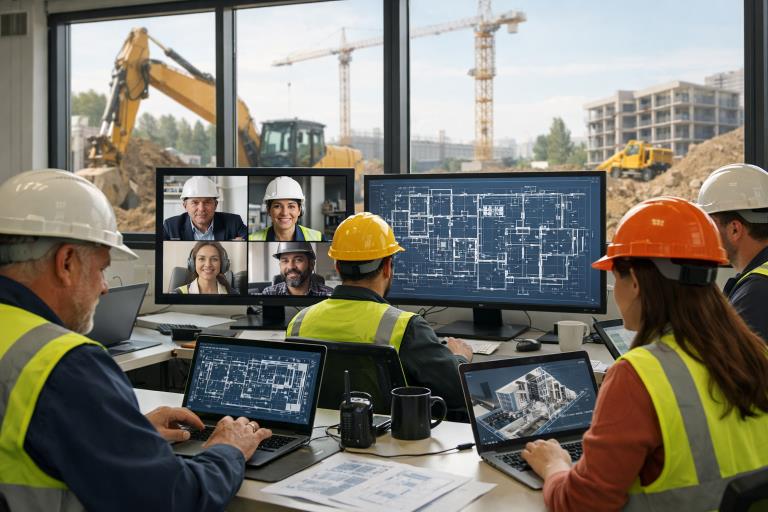
Key Takeaways
- Remote general contracting is rapidly growing due to technology and workforce shifts.
- Digital platforms and tools are now essential for managing projects remotely and efficiently.
- Remote collaboration addresses ongoing labor shortages by enabling access to a broader, more diverse talent pool.
- Staying informed about industry trends and best practices helps contractors adapt and thrive in a competitive environment.
As the construction industry navigates a rapidly changing landscape, remote general contracting has emerged as one of the most transformative trends in 2024. Advances in technology, shifting workforce expectations, and the ongoing pursuit of greater efficiency are all driving this shift. For contractors and industry professionals, keeping pace with these developments is essential to remain competitive and responsive to modern project demands. Many Sarasota builders are embracing these innovations, enabling faster, safer, and more flexible project execution from a distance.
The move toward remote general contracting has been accelerated by a range of factors, from skilled labor shortages to an uptick in digital project management tools. Contractors who understand and harness these trends are better positioned to manage challenges, optimize project delivery, and tap into a wider talent pool.
Embracing Digital Tools for Remote Project Management
The adoption of digital tools has fundamentally changed how construction projects are managed. Online platforms for real-time communication, document storage, and project tracking reduce bottlenecks and promote transparency. Advanced tools like Building Information Modeling (BIM) allow team members to collaborate seamlessly on design, scheduling, and problem-solving from anywhere in the world. Drones have also become valuable assets for remote site inspections, gathering detailed visual data that supports informed decision-making and enhances safety for all involved.
Addressing Labor Shortages Through Remote Collaboration
Workforce shortages have long been a hurdle in construction. A recent report found that nearly 80% of construction firms are struggling to fill critical positions, even as the need for skilled professionals continues to grow. By leveraging remote collaboration tools, project managers can connect with experts and tradespeople regardless of their location. This flexibility not only broadens the candidate pool but also fosters a more diverse and innovative project environment. Virtual collaboration tools enable teams to share expertise instantly, respond to project needs in real time, and deliver results that might otherwise have been unattainable with traditional, site-based teams.
Enhancing Communication and Coordination
Success in remote general contracting relies heavily on strong communication. Project management software plays a crucial role by providing centralized platforms for sharing updates, documents, and progress reports among all stakeholders. Routine virtual meetings ensure that everyone is aligned on project goals, timelines, and responsibilities. Establishing clear communication protocols is critical for avoiding misunderstandings and delays. As industry veterans note, transparency and proactive information sharing are core ingredients for running successful remote projects.
Implementing Remote Quality Control Measures
Maintaining rigorous quality standards remotely is now possible through innovative tools and smart monitoring solutions. Internet of Things (IoT) sensors and site cameras provide continuous oversight, delivering real-time data on workflows, safety, and compliance. Virtual reality (VR) technology has enabled walking through digital replicas of a project, inspecting every phase of construction, and identifying issues that could otherwise lead to rework. These tools do not just ensure quality but also help reduce costly mistakes by enabling early interventions and more precise tracking of project benchmarks.
Boosting Flexibility and Sustainability in Construction
Remote general contracting boosts efficiency, flexibility, and sustainability by coordinating construction remotely, allowing better shift management, resource use, and reduced travel. Cloud storage and digital docs save paper and facilitate data access, supporting eco-friendly practices. It also makes sustainable construction easier, enabling real-time collaboration with manufacturers, suppliers, and sustainability experts, ensuring green practices and materials from the start. Digital blueprints and energy models help prioritize LEED certification and alternative energy, advancing sustainability goals for builders and clients.
The Importance of Change Management and Employee Training
Transitioning to remote workflows in general contracting requires robust change management strategies. Not all employees may be familiar or comfortable with digital tools and remote operations. Ongoing training programs, workshops, and support structures are vital for ensuring all team members can adapt smoothly and adopt new technologies effectively. Clear documentation, onboarding resources, and regular feedback sessions help ease the transition and keep remote teams cohesive and motivated.
Furthermore, fostering a culture of openness and innovation encourages employees to embrace digital transformation as an opportunity rather than a challenge. Those who feel empowered to experiment with new approaches are more likely to discover time-saving processes and productivity improvements, enhancing overall project outcomes.
Staying Informed About Industry Trends
Continuous learning and industry awareness are central to effective remote general contracting. Resources such as the Associated General Contractors of America’s annual outlook offer insights into emerging trends, risks, and opportunities. Following industry reports and participating in professional networks helps contractors make strategic, data-driven decisions. By staying engaged with ongoing developments, professionals can quickly pivot, adopt new tools, and implement best practices that enhance efficiency and quality.
Conclusion
The surge in remote general contracting in 2026 highlights the construction industry’s adaptability and focus on innovation. By using digital platforms, expanding remote collaboration, improving communication, and prioritizing remote quality assurance, contractors are overcoming challenges and setting new success standards. Those who track industry trends and adopt new technologies will lead the digital transformation. Remote general contracting will become even more vital as clients seek faster, cost-effective, and sustainable solutions. Firms that fully leverage evolving digital tools will gain competitive advantages. This era emphasizes adaptability, innovation, and technology to benefit clients, workers, and the environment.