A lot of homes look clean at first glance. Floors are spotless, counters are clear, and everything seems in place. Still, that doesn’t always mean the space is hygienic. Germs tend to collect where there’s frequent contact, moisture, or outside exposure. These are areas people don’t always think about during routine cleaning. The good news is you don’t need a long checklist to fix that. A few smart habits, done consistently, can limit how germs spread and help keep your home safer in a very real way.
Clean Clothes and Luggage Right After Traveling
Travel brings a lot with it. New places, new experiences, and also a fair share of bacteria and pests. Clothes worn on planes, in taxis, or around hotels pick up more than just dust. Tossing them straight into your closet isn’t a great idea. Wash them as soon as you’re back. It keeps whatever they’ve collected from spreading into your home.
Luggage needs attention, too. Suitcases roll through airports, sit on different floors, and come into contact with surfaces you wouldn’t normally touch. A quick wipe-down before storing them helps keep that outside grime from settling indoors.
There’s also the risk of bed bugs, especially after hotel stays. They don’t need much space to travel, and luggage gives them an easy ride. If something feels off, like bites or small stains, don’t brush it aside. Keep items contained and call expert bed bug removal services right away. Handling it early stops the problem from spreading into furniture and bedding.
Focus on High-Touch Surfaces Every Day
Think about how many times you grab a door handle or flip a light switch. It adds up fast. These spots carry more germs than most areas in your home because they stay in constant use. Wiping them down once in a while won’t cut it. A quick daily clean with a disinfectant keeps bacteria from building up and spreading from one person to another.
Remote controls, phone screens, cabinet handles, and even faucet knobs deserve the same attention. These are shared surfaces, which means germs move across them easily. Regular cleaning cuts down that transfer and lowers the chances of illness moving through your household.
Keep Kitchen Surfaces Sanitized After Every Use
The kitchen sees constant activity. Raw meat, fresh produce, spills, crumbs—it all happens here. That mix creates the perfect setting for bacteria if surfaces aren’t cleaned right after use. Letting things sit, even for a few hours, gives germs time to multiply.
Wiping down counters and cutting boards immediately after cooking keeps harmful bacteria from sticking around. It also prevents cross-contamination, especially when switching between raw and cooked foods.
Pay attention to small details like the edges of counters and the area around sinks. These spots collect moisture and residue, and bacteria thrive on these. Keeping them dry and clean limits that growth and keeps your food prep area safer.
Don’t Ignore Bathroom Moisture
Bathrooms deal with water all day, and that moisture doesn’t just disappear. It settles into corners, behind fixtures, and along tile lines. When it stays there, mold and bacteria start to grow. That’s where problems begin.
Wiping down sinks, faucets, and shower walls after use keeps water from sitting too long. Running a fan or opening a window helps pull moisture out of the air. Without proper ventilation, humidity builds up and creates a space where mold spreads quickly.
Pay attention to areas like shower curtains and bath mats. These stay damp longer than you think. Letting them dry fully between uses reduces the chance of bacteria settling in.
Wash Cleaning Tools Regularly
Cleaning tools don’t stay clean on their own. Sponges, cloths, and mops pick up dirt and bacteria every time you use them. If they aren’t washed properly, you end up spreading germs instead of removing them.
Sponges should be replaced often since they hold onto moisture and bacteria easily. Dishcloths need a hot wash cycle to remove buildup. Mops should be rinsed well and left to dry completely before the next use. Damp tools create the perfect environment for bacteria to grow.
Keeping your cleaning tools fresh ensures that when you wipe a surface, you’re actually reducing germs, not moving them around.
Handle Trash the Right Way
Trash builds up fast, especially in the kitchen. Food scraps, packaging, and leftover liquids all sit in one place, which creates a strong source of bacteria. If garbage stays too long, it starts to smell and attracts pests like flies or ants. Taking it out regularly keeps that under control and prevents bacteria from spreading to nearby surfaces.
The bin itself should also be clean. Giving the inside a quick rinse and disinfecting it every few days keeps residue from building up. Lids and handles should be wiped as well since they’re touched often.
Vacuum and Mop Floors Consistently
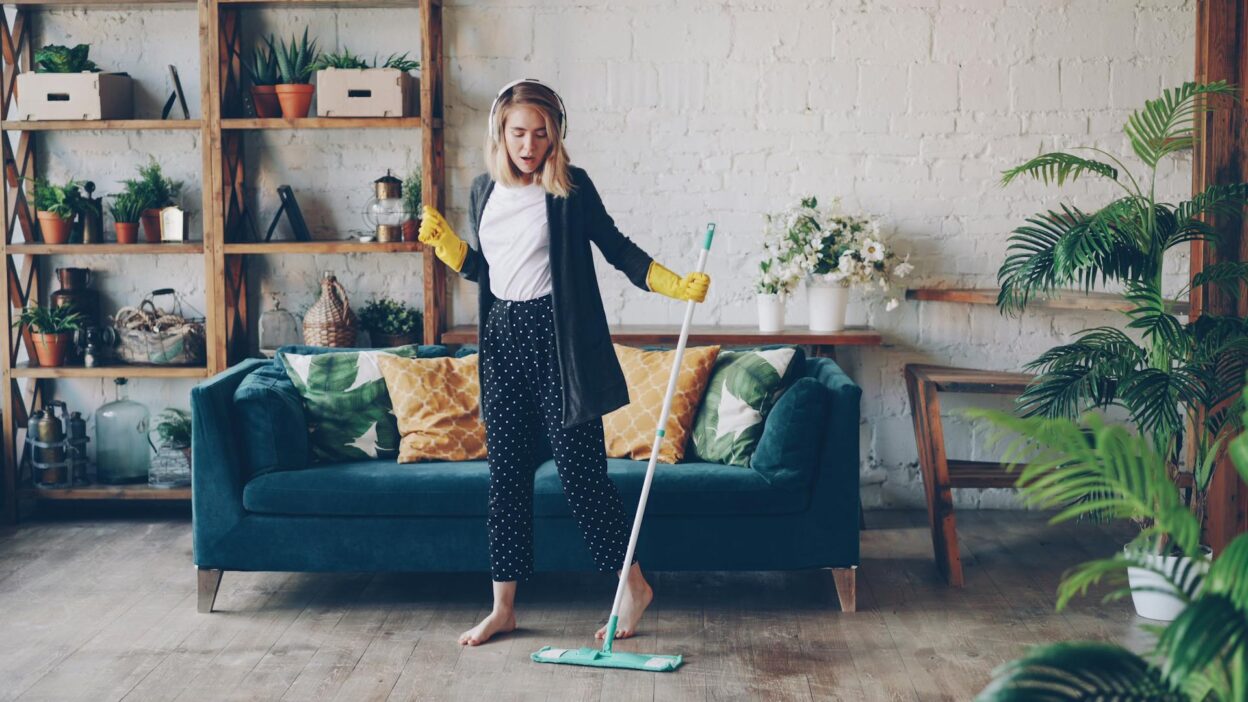
Floors collect everything. Dust, dirt from shoes, crumbs, and even bacteria from outside surfaces. It all settles there and spreads as people walk through the house. Vacuuming carpets and rugs a few times a week helps pull out trapped particles that don’t come up with a quick sweep.
Hard floors need more than just a pass with a broom. Mopping removes the thin layer of grime that sticks after spills or foot traffic. This is especially important in entryways and kitchens where buildup happens faster. Keeping floors clean reduces allergens in the air and limits the amount of bacteria carried into other rooms.
Pay Attention to Soft Surfaces
Soft materials don’t show dirt as easily, which is why they’re easy to ignore. Curtains, cushions, and upholstered furniture collect dust, pet hair, and bacteria over time. Sitting on these surfaces or brushing against them can release those particles back into the air.
Vacuuming upholstery and washing removable covers keeps them fresh and reduces buildup. Curtains should be cleaned on a schedule as well, especially if windows stay open often. Sunlight helps, but it’s not enough on its own. Regular care keeps these surfaces from becoming a hidden source of allergens and germs inside your home.
A safer home doesn’t come from doing more; it comes from doing the right things with intention. When you focus on where germs gather and how they move, your routine starts to work smarter. Each habit connects to the next, creating a space that stays consistently clean rather than briefly refreshed. Stick with these practices, adjust them to fit your routine, and you’ll build a home that supports better health without adding unnecessary effort.