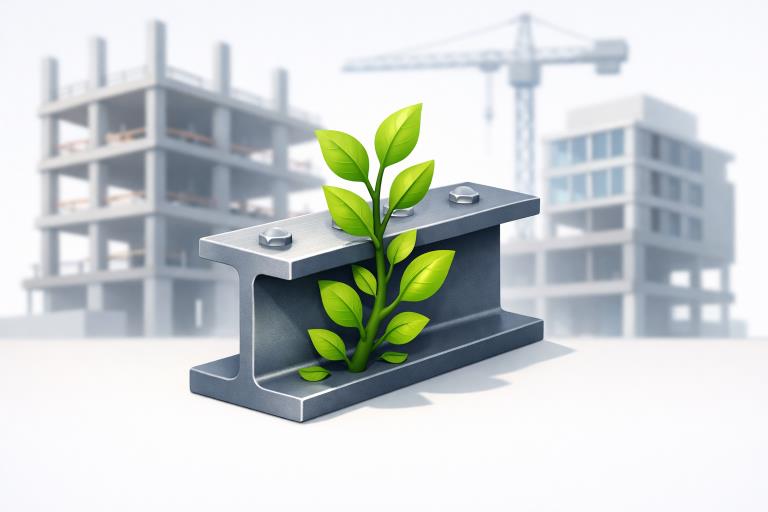
As sustainability becomes a priority in modern construction, industry leaders are seeking innovative methods and materials to reduce environmental impact. Steel, traditionally known for its strength and versatility, is now being shaped by eco-friendly initiatives and cleaner production techniques. From sheet metal storage solutions to recycled alloys, the transition towards green steel is setting new standards for building projects worldwide.
Recognizing that both developers and stakeholders are focused on greener alternatives, the market for sustainable steel is experiencing significant growth. Sustainable building materials are not only essential for reducing the sector’s carbon footprint but also enhance long-term economic value. With certifications, regulations, and consumer demand influencing procurement choices, the push to adopt sustainable steel has become a defining trend in construction.
The construction industry accounts for a significant share of global emissions, with steel manufacturing a major contributor to that burden. As regulations tighten and the call for climate action intensifies, the necessity for sustainable steel solutions has moved into the spotlight. Eco-friendly steel production aims not only to support the industry’s growth but also to align business practices with long-term planetary goals.
Adopting sustainable steel impacts building design, project budgets, and supplier strategies, helping companies stay competitive in a rapidly evolving sector. This shift supports not just environmental outcomes, but also social and economic objectives by fostering innovation and job creation.
Green Steel Initiatives
Global steel manufacturers are championing new practices to minimize emissions and conserve resources. One example is ArcelorMittal’s XCarb® recycled and renewably produced steel. Their ambitious target is to cut carbon emissions by up to 70% compared to conventional steelmaking. This reflects a wider movement, as producers develop green roadmaps to respond to regulatory and societal pressures.
These efforts include investing in advanced facilities, partnering with renewable energy firms, and integrating waste recycling into the production process. The industry’s alignment with the Paris Agreement goals is accelerating the roll-out of climate-smart infrastructure and supporting broader decarbonization targets outlined by organizations such as the International Energy Agency (IEA Iron and Steel Technology Roadmap).
Technological Advancements
Technology is at the heart of sustainable steel production. The adoption of Electric Arc Furnaces (EAFs), which primarily use recycled scrap metal and renewable electricity, is rapidly growing. Recently, Hyundai Steel committed $5.8 billion toward developing an EAF-based steel mill in Louisiana. Expected to yield over two million metric tons annually, it serves as a blueprint for low-emission operations and a benchmark for industrial-scale innovation.
Other technological breakthroughs involve hydrogen-based steelmaking, carbon capture and storage (CCS), and improved energy recovery processes. These solutions not only decrease emissions but also reduce reliance on fossil fuels and facilitate circular supply chains. Significant advances in steel technology are reshaping global markets by lowering costs and increasing the efficiency of green projects.
Case Studies
Examples of sustainable steel adoption are increasingly common. In Australia, Stockland’s logistics development, Momenta, leads by incorporating ArcelorMittal’s eco-friendly XCarb® steel. This partnership is forecasted to result in a 36 percent reduction in embodied carbon compared to traditional logistics real estate builds, serving as a scalable model for commercial construction worldwide.
The European market also offers compelling case studies, such as the world’s first certified fossil-free steel, produced by Swedish company SSAB and used by Volvo to manufacture prototype trucks. This approach is a tangible step toward circular construction and demonstrates how close industry leaders are to viable, full-scale deployment of green steel.
Benefits of Sustainable Steel
- Environmental Impact:By choosing green steel, builders and manufacturers can significantly reduce greenhouse gas emissions, cut waste, and decrease reliance on finite resources.
- Economic Efficiency:New production methods can reduce energy costs over time, delivering positive returns on investment and improved resource efficiency.
- Regulatory Compliance:Early adoption supports compliance with international standards and local regulations, minimizing legal risk and qualifying projects for sustainability certifications like LEED or BREEAM.
Challenges and Solutions
The journey to fully sustainable steel production is not without obstacles. High capital expenditure, resistance to operational change, and integration with existing infrastructure are among the most cited issues. However, collaborations among steelmakers, technology providers, and government bodies are helping address these concerns. Shared investment and pooling of expertise enable scale, while pilot projects demonstrate the real-world viability of green steel processes.
Overcoming these hurdles is possible through targeted incentives, strong public-private partnerships, and a shared industry vision. Education and transparent communication regarding cost benefits and procedural impacts foster greater acceptance and smooth the transition.
Future Outlook
As research and investment in cleaner production methods continue, sustainable steel is primed to become a fundamental building block in construction. Supportive regulations, coupled with market-driven innovation and growing consumer awareness, will accelerate global adoption rates. The rise of circular economy models, emphasizing recycling and repurposing, promises to keep green steel at the forefront of sustainable construction well into the next decade.
Conclusion
The shift to sustainable steel is more than a trend. It is a critical strategy for construction’s environmental stewardship. Continued commitment to innovation, strategic partnership building, and adherence to proven industry frameworks will empower companies to build responsibly, profitably, and resiliently for generations to come.