Community hospitals carry an enormous responsibility, often serving as the first and only point of contact for patients who need answers about their health. When a person walks in with chest pain, persistent fatigue, or an unexplained mass, the speed at which a diagnosis is reached can shape the entire trajectory of their treatment. Yet many of these facilities struggle with delays that frustrate clinicians and put patients at risk. Identifying the root causes of these slowdowns and addressing them with practical solutions is one of the most important conversations in healthcare today.
Closing the Gap Between Suspicion and Certainty
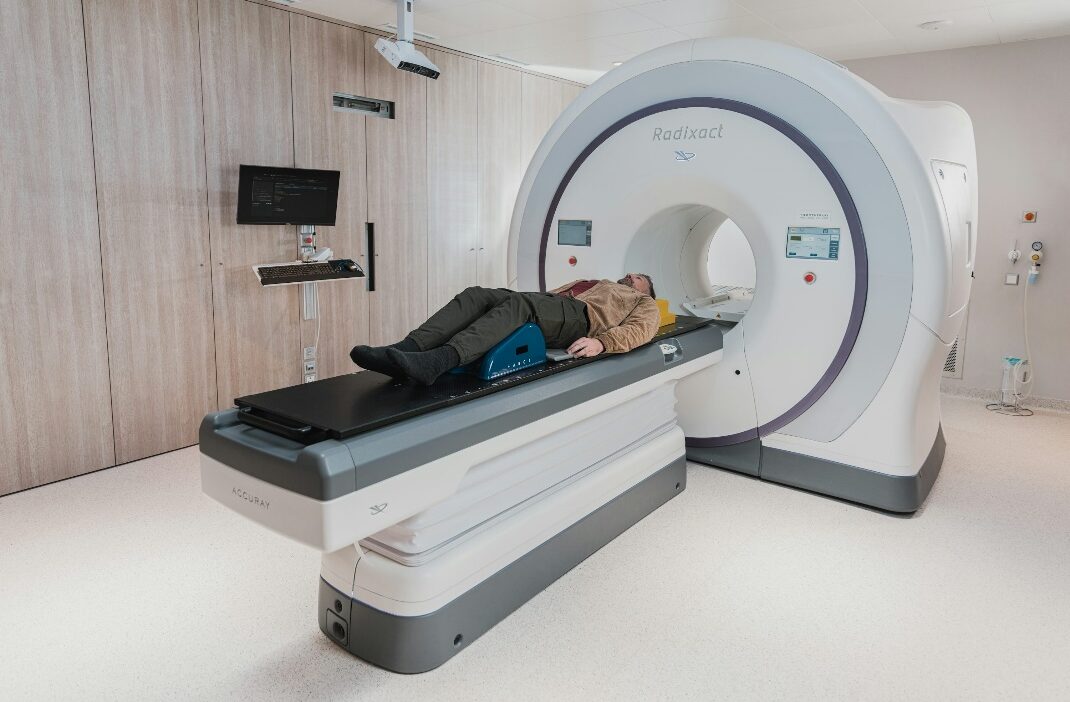
The distance between an early clinical suspicion and a confirmed answer is where most diagnostic delays quietly take shape. Community hospitals that lack on-site fusion imaging often send patients elsewhere or wait weeks for scheduled slots at larger institutions, a gap that affects everything from oncology staging to cardiac assessments. Renting fusion imaging equipment has become a practical way for these facilities to bring advanced scanning capability in-house without the capital strain of an outright purchase. The good news is, hospitals can now rent PET/CT rentals by Numed to install fusion imaging directly inside their facility or within a modular unit built to match their available footprint. Having this capability inside the building, rather than across town or across the state, changes the pace at which clinicians can confirm a diagnosis and begin treatment.
The Bottlenecks That Slow Things Down
Most diagnostic delays do not stem from a single broken process. They emerge from a series of small inefficiencies that compound over the course of a patient’s stay. Scheduling conflicts can leave key departments idle during peak demand. Specialist consultations may take days to arrange when a hospital relies on a small pool of on-call physicians. Laboratory turnaround times can stretch when samples must be transported to off-site facilities. Each step in isolation might seem minor, but together they form a frustrating chain that keeps patients waiting for answers that should arrive within hours. Mapping these pain points is the first honest step any hospital can take toward fixing them. Once the chain is visible on paper, leadership teams can finally see where their assumptions have been wrong for years. Hospitals that take this exercise seriously often discover that the worst delays cluster around shift changes, weekends, and handoffs between departments. Fixing even one of those choke points can free up hours that ripple forward through every patient encounter that follows.
Strengthening Workflow Through Better Coordination
One of the most underappreciated solutions to diagnostic delays is simply better internal communication. When emergency physicians, pathologists, and primary care teams operate in isolated silos, results often sit unread for hours after they become available. Hospitals that invest in coordinated handoff protocols, shared digital dashboards, and routine interdepartmental briefings tend to see faster turnaround across the board. Designating a clinical coordinator whose sole job is to track pending results and escalate when timelines slip can transform how quickly a hospital reaches a working diagnosis. These changes do not require massive investment, only the willingness to rethink habits that have gone unquestioned for years. Smaller hospitals sometimes assume coordination tools are built for larger systems, but the opposite is often true. With fewer staff members in the loop, every missed message carries more weight, which means tighter communication produces visibly faster results. The leaders who treat workflow design as a clinical discipline, rather than an administrative chore, tend to see the deepest gains.
The Role of Skilled Staff in Faster Diagnoses
Equipment and software cannot replace experienced clinicians, and the staffing reality at community hospitals plays a direct role in how quickly diagnoses happen. Burnout, high turnover, and difficulty recruiting subspecialists all contribute to slower decision-making. Retaining experienced pathologists, emergency physicians, and laboratory specialists requires more than competitive salaries. It calls for manageable caseloads, modern tools, and a workplace culture that respects clinical judgment. Hospitals that invest in mentorship programs, continuing education, and reasonable scheduling practices often find that their diagnostic timelines improve simply because their staff stays long enough to develop deep institutional knowledge.
Telemedicine as a Bridge to Specialist Expertise
Many community hospitals do not have full-time access to every specialty they need, and waiting for an outside consult has historically been a major source of delay. Telemedicine has changed that equation in meaningful ways. A remote neurologist can review a stroke patient within minutes of arrival, a cardiologist can assess findings from another city, and infectious disease experts can guide treatment decisions without ever stepping into the building. Hospitals that have built strong telemedicine partnerships report dramatic improvements in how quickly patients receive expert input. The technology is now mature, the regulatory environment is supportive, and the patient experience has proven to be far more positive than skeptics once predicted.
Patient Education and Its Hidden Impact
It is easy to overlook the patient’s role in the diagnostic process, but informed patients tend to move through evaluations more quickly. When someone arrives with a clear understanding of their symptoms, their medication history, and their family medical background, clinicians can narrow their thinking faster. Hospitals that invest in pre-visit education, easy-to-use intake forms, and accessible patient portals find that the front end of the diagnostic process runs more smoothly. Encouraging patients to ask questions, follow up on pending results, and report new symptoms promptly creates a partnership that benefits everyone involved.
Looking Toward a More Responsive Future
The hospitals that will lead the next decade are the ones treating diagnostic speed as a core measure of quality rather than a back-office concern. That means questioning long-standing routines, investing in the right mix of technology and talent, and listening carefully to the patients and clinicians who experience delays firsthand. Community hospitals have something larger institutions often lack, which is a genuine connection to the people they serve. When that connection is paired with a commitment to faster, more accurate diagnoses, the result is healthcare that feels both human and capable, exactly what every community deserves from the hospital down the road.