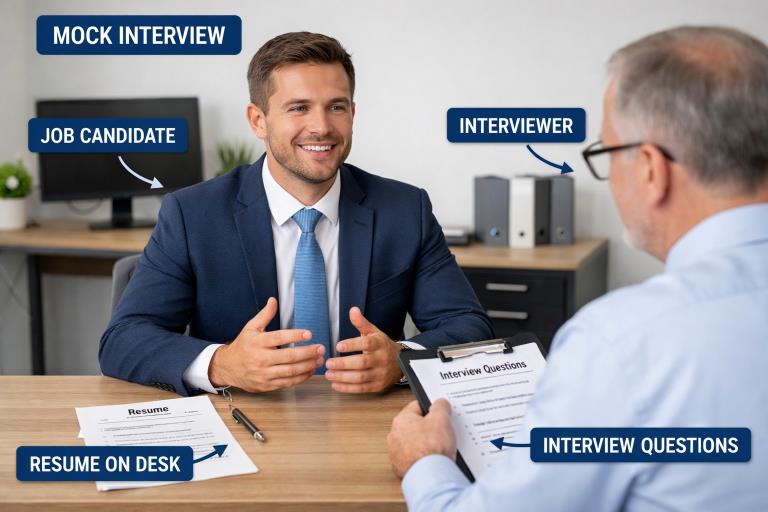
Job interviews can be nerve-wracking experiences, but thorough preparation can significantly boost your confidence and performance. One of the most effective strategies is engaging in a mock interview. Cook’d AI, a leading platform specializing in investment banking interview preparation, offers tailored mock interview sessions that use real job interview questions from top financial institutions such as Goldman Sachs and JPMorgan Chase. These simulated sessions replicate real interview scenarios, allowing you to practice responses, refine your communication skills, and receive constructive feedback.
Understanding Mock Interviews
A mock interview is a practice session designed to simulate an actual job interview. It provides candidates with the opportunity to experience the interview process in a controlled environment, helping them become familiar with common questions and develop effective responses. This rehearsal can be conducted by career counselors, mentors, or even through AI-powered platforms.
Benefits of Mock Interviews
- Builds Confidence:Regular practice reduces anxiety and helps you approach real interviews with a calm and composed demeanor.
- Enhances Communication Skills:Repeated practice allows you to articulate your thoughts more clearly and effectively.
- Identifies Areas for Improvement:Feedback from mock interviews highlights strengths and pinpoints areas needing refinement.
- Familiarize yourself with Interview Settings:Simulating the interview environment helps you become comfortable with the setting, whether it’s in-person, over the phone, or via video conferencing.
Preparing for a Mock Interview
To maximize the benefits of a mock interview, consider the following steps:
- Research the Company:Understand the organization’s mission, values, and recent developments to tailor your responses accordingly.
- Review Common Interview Questions:Practice answering typical questions in your field and for the specific role you’re applying for.
- Dress Appropriately:Wear professional attire to create a realistic interview atmosphere and receive feedback on your presentation.
- Choose the Right Interviewer:Select someone who can provide honest and constructive feedback, such as a career coach or industry professional.
- Record the Session:Recordings let you review your performance, observe body language, and refine your answers.
Leveraging AI-Powered Mock Interviews
Advancements in technology have introduced AI-driven platforms that offer personalized mock interview experiences. These tools analyze your responses, tone, and body language, providing real-time feedback to enhance your performance. For instance, platforms like HireVue assess vocal tone and filler words, helping candidates refine their communication skills.
Common Mock Interview Questions
While questions may vary depending on the role and industry, some common ones include:
- Can you tell me about yourself?
- What are your greatest strengths and weaknesses?
- Why do you want to work for this company?
- Describe a challenging situation and how you handled it.
- Where do you see yourself in five years?
Practicing responses to these questions can help you articulate your experiences and qualifications effectively.
Receiving and Implementing Feedback
After the mock interview, seek detailed feedback on various aspects such as content, delivery, body language, and overall impression. Use this feedback to make necessary adjustments and continue practicing to improve your performance.
Mock Interviews for Different Career Stages
While mock interviews are universally beneficial, their focus and structure can differ depending on your career stage. For recent graduates, mock interviews can emphasize establishing a personal narrative, translating academic skills into professional value, and practicing behavioral questions centered on potential and motivation. For mid-career professionals, mock interviews may delve deeper into demonstrating leadership, problem-solving, and domain expertise relevant to advanced roles. If you are switching industries or roles, mock interviews can help bridge perceived skill gaps by highlighting transferable skills and adaptive learning experiences.
Virtual Mock Interviews and Remote Job Market
As remote and hybrid work arrangements become more common, virtual interviews are now a standard hiring practice. Mock interviews conducted on platforms such as Zoom or Microsoft Teams not only help applicants get comfortable with the technology but also highlight nuances, such as making eye contact with the camera, optimizing lighting and sound, and minimizing distractions. Practicing in a virtual format ensures candidates can present themselves professionally through digital mediums and troubleshoot any technical difficulties ahead of time. Additionally, receiving feedback on your virtual presence is critical in today’s digital-first hiring landscape.
Behavioral vs. Technical Mock Interviews
Depending on the job, interviews often contain both behavioral and technical components. Behavioral interviews assess personal characteristics, teamwork, leadership potential, and situational responses. Mock behavioral interview sessions might include practicing the STAR (Situation, Task, Action, Result) technique or rehearsing stories that showcase initiative or conflict-resolution skills. Technical interviews, on the other hand, focus on role-specific knowledge and skills. Here, candidates might perform case studies, solve equations, or discuss technical concepts in detail. Utilizing mock interviews for both aspects helps develop well-rounded competency.
The Role of Peer Mock Interviews
Engaging in peer mock interviews can offer a fresh and relatable perspective. Practicing with friends or colleagues in similar fields creates a supportive environment for open feedback. Peers may also share their recent interview experiences and the questions they encountered, enhancing the realism and relevance of your practice. Peer sessions promote accountability and can be scheduled regularly in study groups or job-search cohorts, sustaining momentum during longer job searches.
Tracking Progress and Setting Goals
Successful mock interview preparation is an iterative process. Keep track of the feedback you receive after each session and set specific improvement goals, such as minimizing filler words, making eye contact, or providing more concise answers. Over time, reviewing recordings from earlier mock interviews can highlight significant progress, boost motivation, and pinpoint remaining areas for growth. Regularly updating your goals ensures continued development and readiness for a wide range of interview formats and scenarios.
Conclusion
Mock interviews are invaluable tools in the job preparation process. They not only help in honing your interview skills but also boost your confidence, ensuring you present the best version of yourself to potential employers. By dedicating time to practice and utilizing available resources, you can significantly enhance your chances of success in the competitive job market.