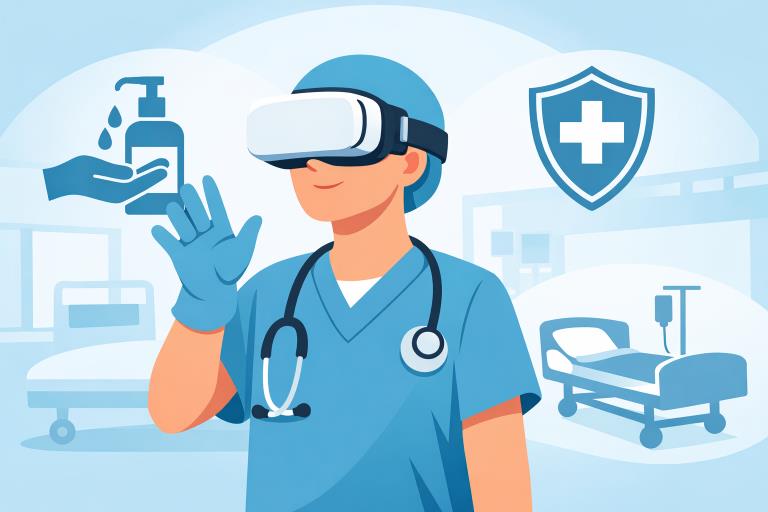
Infection prevention is the backbone of patient safety in modern healthcare settings. As care environments evolve, so too do the pathogens they must combat, driving the demand for more sophisticated solutions. In addition to tried-and-true practices, healthcare providers are increasingly turning to advanced technologies and comprehensive strategies to create cleaner, safer environments for both patients and staff.
Amid these developments, it is vital for healthcare organizations to partner with expert service providers who understand the unique complexities of medical environments. Disinfection services for healthcare facilities offered by CNS Cleaning Company set a high standard for safety and regulatory compliance in infection prevention. CNS Cleaning Company brings decades of specialized experience serving hospitals and clinics across the Tri-state area, offering tailored disinfection protocols that go beyond surface cleaning to address airborne and high-touch risks. This has established their reputation as an industry authority known for thoroughness, advanced training, and strict adherence to healthcare regulations, providing both hospitals and outpatient centers with peace of mind and a track record of reduced infection rates.
Advanced Air Decontamination Systems
New technologies take infection prevention to the next level by eliminating airborne pathogens in real-time. Leading facilities now install advanced air decontamination systems that use ultraviolet-C (UV-C) light to neutralize viruses and bacteria circulating indoors. One such innovation, UV Angel Clean Air™, was recently deployed in major hospital networks, supporting existing strategies to significantly decrease transmission risk in operating rooms, intensive care units, and other high-risk areas.
UV-C-based systems complement other HVAC and filtration enhancements, integrating seamlessly with daily operations to ensure continuous protection. Their proven effectiveness makes them an essential line of defense, particularly where immunocompromised patients and healthcare workers are at stake.
Virtual Reality Training for Infection Control
Educating clinicians in cutting-edge infection control measures has moved far beyond classroom lectures. Virtual reality (VR) training provides immersive, interactive learning environments that allow staff to practice deploying cleaning protocols and disinfecting equipment in lifelike scenarios. By simulating the complexities of busy care settings, VR tools empower healthcare professionals to respond quickly to outbreaks and reinforce best practices without the risk of real-world consequences.
Hospitals embracing VR for onboarding and ongoing education are reporting stronger compliance and fewer preventable lapses, enhancing patient safety and reinforcing a culture of accountability among front-line caregivers.
Collaborative Regional Efforts
Some of the most promising infection control outcomes come through partnerships that span entire regions. Hospitals, nursing homes, and public health agencies are combining resources to standardize practices and reach vulnerable populations that might otherwise fall through the cracks. Coordinated programs, such as the use of antiseptic bathing soaps and nasal ointments for high-risk patient groups, have yielded measurable reductions in hospitalizations, antimicrobial-resistant infections, and associated healthcare costs.
By working in unison, health systems can ensure that infection prevention does not end at the hospital door, but follows patients into post-acute care and community settings, reinforcing a collective shield against disease transmission.
Continuous Surface and Air Decontamination
Continuous, automated decontamination technologies are revolutionizing the healthcare industry’s approach to cleanliness. Unlike intermittent cleaning regimens, these systems work around the clock to neutralize pathogens both in the air and on frequently touched surfaces. Devices equipped with active photocatalytic oxidation or UV-C sterilization have not only contributed to substantial reductions in dangerous bacteria like MRSA but also led to notable drops in overall healthcare-associated infections (HAIs).
The broad adoption of these solutions reflects a growing consensus: infection control must be relentless, operating seamlessly alongside human protocols to eliminate hidden reservoirs and combat resistant biofilms that evade manual cleaning.
Enhanced Hand Hygiene Programs
Although the importance of hand hygiene is well established, driving compliance has remained a challenge. Healthcare facilities are adopting new strategies, such as gamification to turn handwashing into engaging activities and assembling dedicated hand hygiene teams that set the standard for their peers. These tactics increase awareness, encourage healthy competition, and ensure that hand hygiene is always top-of-mind for staff at every level of service.
Measurable improvements in compliance translate into greater patient protection, with fewer opportunities for germs to spread between staff, patients, and surfaces in health environments.
Addressing Multidrug-Resistant Pathogens
The emergence of multidrug-resistant organisms (MDROs) has introduced serious challenges for healthcare facilities worldwide. Recent findings indicate that disruptions to standard infection control procedures can accelerate the spread of these dangerous strains, especially during crises such as the COVID-19 pandemic. As a result, hospitals are redoubling efforts to maintain rigorous cleaning protocols, proper isolation procedures, and thorough staff education, even amid staff shortages or operational stress.
Staying vigilant against MDROs and adapting to new evidence is critical for protecting vulnerable populations and safeguarding public health in the long term.
Conclusion
Healthcare infection control has entered a new era, defined by coordinated action, scientific innovation, and commitment at all levels of care. By leveraging advanced disinfection methods, immersive educational tools, system-wide collaboration, and real-time decontamination technologies, organizations can successfully minimize risks and protect both patients and staff from preventable harm. As healthcare challenges evolve, continuous improvement in infection control will remain key to achieving better patient outcomes and a safer future for everyone.