Key Takeaways
● Understand the benefits of buying secondhand clothing online.
● Learn how to choose the right platforms for your needs.
● Discover tips for assessing item quality and authenticity.
● Gain insights into effective bidding and negotiation strategies.
● Explore ways to maintain and care for your secondhand finds.
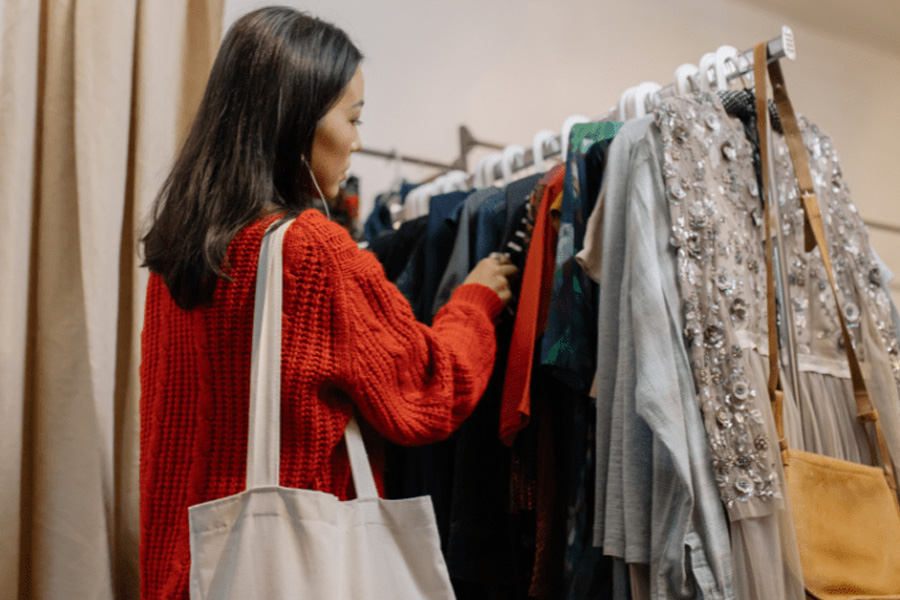
Shopping for secondhand clothing online is an excellent way to refresh your wardrobe while supporting sustainability and saving money. As more shoppers seek eco-friendly, affordable options, online thrifting has become increasingly popular. If you’re ready to buy used clothes online, there are a few important steps to ensure a satisfying and successful experience, from discovering the right items to maintaining your new wardrobe additions. For an easy start, you can buy used clothes online at curated marketplaces that prioritize both variety and quality.
Online thrifting provides access to unique styles and helps reduce textile waste. Unlike in-person shopping, online shopping broadens your options and makes it easier to find pieces that match your taste. This guide helps savvy shoppers navigate marketplaces and authenticate luxury items. Thrifted fashion encourages creative personal expression through one-of-a-kind garments, helping you stand out. Responsible shopping slows down fast fashion cycles and supports circular economies. With the right strategies and an attentive eye, anyone can enjoy the benefits of online secondhand shopping.
Benefits of Buying Secondhand Clothing Online
Purchasing pre-owned clothing online brings a host of benefits for both individuals and the planet. Shopping for used garments reduces the demand for new manufacturing, which is often water and carbon-intensive. By keeping items in use longer, secondhand shopping helps curb the 92 million tons of textile waste generated each year globally.
● Environmental Impact: Every purchase helps divert clothing from landfills and reduces the footprint of your wardrobe.
● Cost Savings: Secondhand pieces are generally much less expensive than new retail, allowing you to access premium brands for a fraction of their original price.
● Unique Finds: Thrift shoppers often uncover vintage designs, out-of-season pieces, and one-of-a-kind clothing not found in regular stores.
Choosing the Right Platforms
Selecting the best online marketplace is essential for a convenient and safe thrifting experience. Several platforms cater to different preferences and styles. Knowing their specialties can save you time and increase your chances of scoring great deals.
● eBay: This extensive marketplace offers just about anything, from brand-name bargains to rare vintage gems.
● Depop: Favored by younger shoppers, Depop specializes in trendy, vintage, and unique street-style pieces.
● Poshmark: This social shopping app emphasizes brand-name fashion and allows users to interact, negotiate, and curate personalized shops.
● The RealReal: If you are interested in authenticated luxury clothing, handbags, and accessories, it offers professional authentication and quality assurance.
Each platform has distinct features, preferred brands, and buyer protections. Take time to browse different options and consider your needs, whether you’re after budget basics or high-end labels.
Assessing Item Quality and Authenticity
To get the most value from your secondhand buys, carefully evaluate each item before you purchase. Start by reading the product description thoroughly; look for details about condition, measurements, and any signs of wear or defects. Many sellers openly disclose flaws such as minor stains or missing buttons, making it easier to judge whether an item meets your standards.
● Read Descriptions Carefully: Understand sizing, materials, and any notes about use or care.
● Examine Photos: Always check for well-lit, high-resolution photos taken from several perspectives. If necessary, request additional images to see the fabric texture or labels up close.
● Check Seller Reviews: Reliable buyers typically leave feedback on their experiences. Consistently positive reviews are a good indicator of a trustworthy seller.
● Be Cautious with Designer Items: For high-value pieces, always request authentication paperwork or proof of provenance. Many luxury resale sites also offer expert verification.
Effective Bidding and Negotiation Strategies
On platforms that allow bidding or negotiating, strategic offers can result in significant savings. First, set a strict budget and stick to it, even if you are tempted during a bidding war. Initiate your offer below the listing price to have room for negotiation, but be respectful. Courteous messages and flexibility often lead to mutually beneficial deals.
● Set a Budget: Always know your ceiling before entering the auction or starting negotiations.
● Start Low: Many sellers leave room for bargaining, so don’t hesitate to make a respectful initial offer.
● Be Polite: Friendly, respectful communication with sellers leads to better outcomes and fosters positive experiences.
● Time Your Bids: Placing bids or making offers during off-peak hours can improve your odds of winning at a lower price.
Maintaining and Caring for Secondhand Clothing
To enjoy your thrifted finds for the long run, care for them as you would new purchases. Start by thoroughly cleaning each garment upon arrival. For delicate or high-end pieces, consider professional dry cleaning. Make minor repairs, like replacing buttons or mending seams, promptly to prevent small issues from worsening.
● Clean Thoroughly: Wash or dry clean before wearing to ensure cleanliness and comfort.
● Repair When Needed: Small alterations or fixes will help maintain your clothes’ longevity and appearance.
● Store Properly: Keep items in a cool, dry place, and use garment bags or cedar blocks as needed to protect sensitive fabrics.
Conclusion
Shopping for secondhand clothing online offers an affordable, sustainable, and rewarding way to build a wardrobe that reflects your personal style. By choosing trusted platforms, carefully evaluating listings, negotiating wisely, and caring for your purchases, you can enjoy quality fashion finds while reducing waste and making smarter, more environmentally conscious shopping decisions.