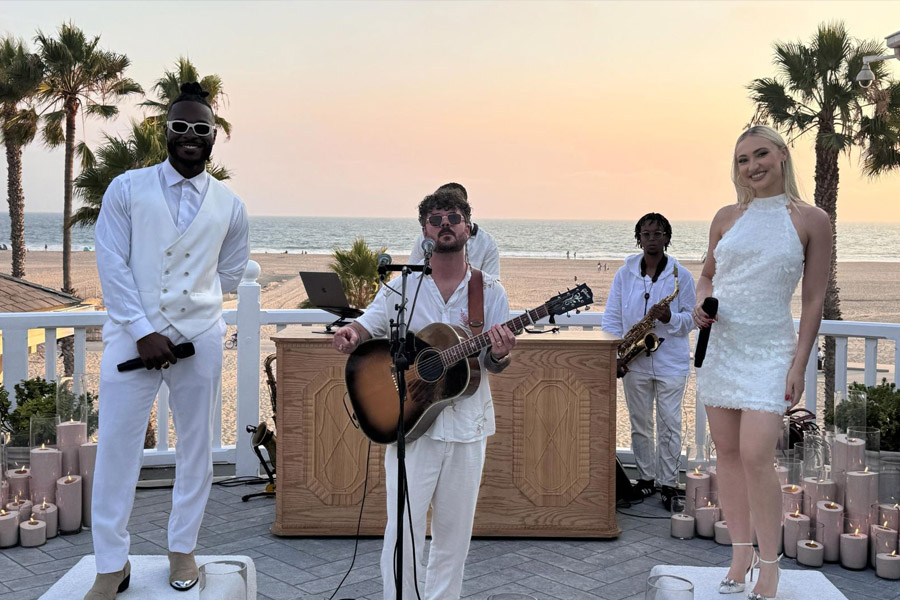
The right entertainment does more than fill quiet moments. It shapes the atmosphere, supports the schedule, and gives guests a reason to stay engaged. Whether you are booking entertainment for events for the first time or comparing several acts, begin with the experience you want people to have rather than a single genre or format.
A strong choice fits the purpose of the occasion, the people in the room, the venue, and the available budget. A performer who is excellent for a high-energy reception may not be the best fit for a client dinner where conversation is the priority. Thinking through those details early makes booking decisions clearer and reduces day-of surprises.
Start With the Event Goal
Before reviewing videos or requesting quotes, define what entertainment needs to accomplish. Ask three practical questions: What should guests feel? What should they be doing while the act performs? Which moment should remain most memorable? The answers help determine whether music should be a focal point, a subtle backdrop, or a mix of both.
For example, a networking dinner may benefit from an acoustic musician or small ensemble that keeps the room warm without overpowering discussion. A wedding reception may need an act that can provide elegant music earlier in the evening, then build toward a full dance floor after dinner.
Match the Act to the Event Type
Weddings
Weddings often have several distinct music needs: ceremony entrances, cocktail hour, dinner, formal dances, and open dancing. A soloist or string duo can suit an intimate ceremony, while a band, DJ, or hybrid setup may better serve a larger reception. Because wedding guests often span generations, choose performers with enough range to accommodate different musical tastes and important requests.
Corporate Events
Corporate entertainment should work around speeches, presentations, sponsor obligations, and a fixed program. Product launches, awards dinners, conferences, client receptions, and holiday parties can all call for different levels of energy. Background music should leave room for networking, while a headline performance can create a clear transition from formal programming to celebration. Look for acts that communicate well and can follow production cues.
Photorealistic golden-hour image of a live musician performing at an elegant event reception, with warmly lit guests mingling and listening in a softly atmospheric venue, natural directional light, gentle shadows, and an inviting celebratory mood.
Private Parties
Birthdays, anniversaries, fundraisers, cultural celebrations, and home-based gatherings allow more freedom, but practical limits still matter. A themed party may call for a specialty act, while a small living-room gathering may be better served by a vocalist with light accompaniment. Guest ages, available space, and the desired level of participation should guide the choice.
Compare Entertainment Formats
- Live band:Creates visual impact, live energy, and a concert-style centerpiece. It usually needs more stage space, power, and setup time.
- DJ:Offers a broad music library and flexible pacing. The best DJs read the room, handle requests thoughtfully, and maintain a consistent flow.
- Solo musician:Often works well for ceremonies, cocktail hours, dining, and smaller rooms where a full production would feel oversized.
- Duet or trio:Adds instrumental and vocal variety while keeping the footprint more manageable than a full band.
- Specialty performer:Dance groups, percussionists, cultural musicians, and other distinctive acts can create a memorable feature moment.
- Hybrid setup:Combining live musicians with a DJ or curated recorded music can provide atmosphere throughout the event and broader dance-floor coverage later.
Consider the Guest List
The best choice is based on the audience, not only the host’s personal playlist. Consider age ranges, cultural backgrounds, formality, musical preferences, and whether guests are likely to dance, mingle, or remain seated. Broad repertoire is especially valuable at weddings and family celebrations, while polished, low-volume selections may be more suitable for professional settings.
Ask each act how it adjusts volume, pacing, and song selection when guest energy changes. A capable performer should be prepared to respond to the room while still respecting the schedule and the host’s preferences.
Check the Venue Before Booking
Confirm venue details before signing an agreement. Review the available performance area, ceiling height, room layout, power access, loading route, setup window, and breakdown deadline. For outdoor events, establish a weather backup plan and ask about nearby residences, curfews, and any sound restrictions.
Venue teams can use guidance on managing amplified sound to think through speaker placement, operating hours, layout, and the effect sound may have beyond the event space. Even when local rules differ, planning for sound early helps protect guest comfort and neighbor relations.
Review Performance Quality
A short highlight reel can be useful, but it rarely shows the full experience. Request recent, longer footage when possible, especially from events similar in size and style to yours. Listen for clear sound, smooth transitions, and pacing that fits the setting. Notice whether performers interact professionally with guests and respond confidently to changing conditions.
Reviews and references can also reveal details that video cannot, including punctuality, planning communication, flexibility, and reliability. Ask for feedback from clients whose event format resembles your own.
Build an Entertainment Timeline
Music should follow the event’s natural rhythm rather than remain at one volume all night. Use light music for guest arrival, keep networking and cocktail-hour sound conversational, and plan clear cues for entrances, awards, speeches, dances, or special performances. Raise the energy when guests are ready to participate, then choose a closing song or set that fits the departure plan.
Ask Key Contract Questions
Get the practical details in writing before paying a deposit. Confirm what the quoted price includes, whether sound equipment, lighting, microphones, and an emcee are provided, and how much time is needed for load-in and soundcheck. Also clarify travel, parking, overtime, and accommodation costs; cancellation and rescheduling terms; backup plans if a performer becomes unavailable; and any insurance documentation required by the venue.
Support an Accessible Event
Accessibility planning helps more guests participate comfortably. Check entrances, pathways, seating, restrooms, and sightlines, then make sure speeches and announcements can be heard clearly. Depending on the event, quieter spaces, visual cues, captions, assistive listening, or advance communication about the environment may be useful.
The principles in this guide to planning an accessible event can help organizers consider physical, hearing, vision, sensory, cognitive, and communication needs before guests arrive.
Use a Final Booking Checklist
- The event purpose and desired atmosphere are defined.
- The entertainment matches the guest list and venue size.
- Recent performance examples, reviews, or references have been reviewed.
- Sound, power, staging, and timing needs are confirmed.
- Accessibility considerations have been included in the plan.
- All fees, inclusions, and overtime terms are documented.
- Cancellation, backup, and rescheduling terms are in writing.
- Music cues and a final planning contact appear on the event schedule.
The strongest entertainment choice is not necessarily the largest act or the highest-priced option. It is the one that suits the event’s purpose, audience, venue, timing, and budget. Compare options carefully, ask direct questions, and settle technical details early so the performance feels effortless when the event begins.