Key Takeaways
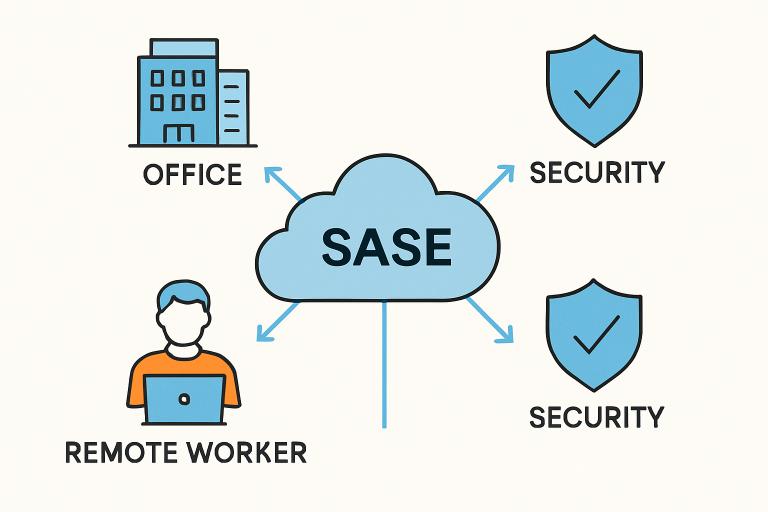
- SASE combines networking and security into a single, cloud-based service, simplifying IT infrastructure.
- It supports the scalability and flexibility required for modern business operations, especially with remote and hybrid work models.
- Implementing SASE can improve security postures and operational efficiencies.
As organizations adapt to technological advances, they are adopting new ways to streamline and secure their operations. The rise of SASE cybersecurity solutions is prompting many companies to rethink traditional network and security strategies. SASE (Secure Access Service Edge) connects cloud-native cybersecurity technologies with modern networking, creating an integrated platform that supports flexible and resilient business architectures.
In an era defined by dispersed workforces, rapid digital transformation, and increasingly complex cyber threats, SASE stands out as a foundational step forward for organizations that want to simplify management while strengthening protection. Delivering both secure connectivity and dynamic scalability, SASE gives businesses the tools to address contemporary requirements without adding complexity.
Companies of all sizes are facing mounting pressure to ensure seamless connectivity, robust security, and the ability to adapt to changing market conditions without disruption. SASE networks not only consolidate tools under one umbrella but also empower IT teams to monitor, control, and optimize digital assets globally. This consolidation is essential as the perimeter of enterprise networks expands and becomes increasingly difficult to define.
By leveraging unified cloud-based frameworks, organizations can maximize the speed, transparency, and flexibility they need while ensuring compliance across all levels of activity. This holistic shift towards consolidated, scalable network management is essential to staying competitive in today’s digital landscape.
Understanding SASE and Its Core Components
SASE combines wide-area networking (WAN) functionality with an array of advanced security services. The framework typically integrates secure web gateways, cloud access security brokers, firewalls-as-a-service, and zero-trust network access into a single solution. By bringing networking and security together, SASE simplifies IT operations and reduces the need for disparate, difficult-to-manage legacy tools.
Secure web gateways protect users from dangerous websites and filter out malicious content, making internet use safer for employees regardless of where they work. Cloud access security brokers give organizations visibility and control over their staff’s access to cloud applications, helping ensure sensitive information remains secure. Zero-trust network access requires users and devices to be authenticated each time they access a resource, thereby minimizing risk if credentials are exposed.
Enhancing Security in a Hybrid Work Environment
The growing popularity of hybrid and remote work has exposed the shortcomings of traditional security frameworks. With employees accessing critical systems from thousands of locations and myriad devices, static defenses like on-premises firewalls no longer suffice. SASE enables secure, direct-to-cloud access that adapts to policy controls and threat intelligence in real time.
Centralized visibility offered by SASE helps organizations detect unusual activity quickly and prevent data breaches. Employees benefit from consistent, reliable network performance without slowdowns, regardless of their location. This shift reduces latency while ensuring the protection of sensitive data, whether users are at the office or working remotely. The result is not only an improved user experience but also increased business resiliency and security readiness.
Streamlining Network Management
Managing a patchwork of security and networking products is often expensive, cumbersome, and rife with operational blind spots. SASE unifies these elements into a single management portal, making it much easier for IT teams to oversee network activity, apply security policies, and respond to incidents quickly. Routine processes such as access management, software updates, and compliance audits become streamlined and less prone to error.
This unified approach also reduces administrative overhead, freeing IT resources for more strategic tasks. For example, companies can roll out new policies company-wide with just a few clicks, or scale bandwidth up and down as business needs evolve. Consolidating network and security management is a key to achieving efficiency in digitally driven organizations.
Scalability to Meet Business Growth
The need for flexible, scalable infrastructure is a hallmark of digital transformation. SASE’s cloud-native foundation allows organizations to onboard new users, devices, or even branch offices without the delays associated with traditional hardware deployments. It automatically adapts capacity to demand, ensuring security keeps pace as companies grow or respond to seasonal spikes.
This agility is especially valuable in industries that experience rapid expansion or fluctuating workloads. Integrating new technologies or external partners becomes straightforward, enabling organizations to demonstrate agility and customer responsiveness as their operational landscape evolves.
Real-World Applications of SASE
SASE is not just a theoretical improvement; it has already led to measurable operational gains in real-world deployments. In healthcare, for example, the ability to monitor and support hundreds of remote nurses became vital during the pandemic. One healthcare organization implemented SASE to provide secure, compliant access to patient data, ensuring both privacy and operational continuity. This move was instrumental in meeting stringent data protection requirements and improving service delivery.
Other industries, such as finance and retail, also rely on SASE to ensure that customer-facing applications remain secure and accessible. The technology supports PCI DSS, GDPR, and other regulatory compliance standards, removing friction from expansion into new markets or the rollout of cloud-native services. For more on secure business operations, CSO Online offers insights into zero-trust principles that closely align with SASE frameworks.
Considerations for Implementing SASE
Moving to a SASE architecture requires thoughtful planning and collaboration. Companies must first audit their existing networks, assess data and operational requirements, and pinpoint gaps where legacy solutions are falling short. Consulting with experienced vendors helps organizations define clear objectives and avoid pitfalls during adoption.
A phased rollout, starting with high-priority remote users or sites, can streamline the transition. IT leaders should prioritize user training, process documentation, and ongoing evaluation to optimize outcomes and maximize value from their SASE investments. Proper planning ensures the new model aligns with core business goals and enhances organizational agility.
Conclusion
Embracing the SASE framework represents an essential step in modern business transformation. By converging network management and security into a cohesive, scalable system, organizations reduce risk, drive efficiency, and gain the flexibility needed to thrive in a rapidly evolving digital world. As innovation accelerates, SASE will increasingly become the standard for those determined to operate securely and efficiently amid new challenges.