Key Takeaways
- Establishing consistent daily routines can enhance both mental and physical health.
- Incorporating balanced nutrition, regular exercise, and mindfulness practices supports long-term recovery.
- Structured habits reduce stress and provide stability during the recovery process.
The Importance of Daily Routines in Recovery
Recovery from addiction is a journey that requires stability and support, both of which are grounded in structured daily routines. By building predictable habits into everyday life, individuals gain a sense of control and clarity, making it easier to manage triggers and stressors. Morning rituals, such as mindful waking, stretching, and nourishing breakfasts, are often recommended for their ability to set a constructive tone for the day and reduce anxiety. For many individuals, seeking supportive environments like Sober Living in Boulder, Colorado, is a pivotal step. These communities provide a foundation for establishing stable routines, promoting accountability, and fostering a sense of belonging.
According to experts, the sense of order and purpose derived from structured routines helps buffer against the volatility often experienced in early recovery. As regular habits become ingrained, they ease the mental load of decision-making, allowing people to focus more energy on personal growth and healing. For those in recovery, this consistency is more than convenience—it’s an essential tool for managing the ups and downs that often accompany sobriety.
Daily routines also instill a sense of accomplishment. Simple tasks, such as making the bed or preparing wholesome meals, create opportunities for small wins that can elevate mood and build confidence over time. Each healthy routine becomes a building block, creating a strong foundation that supports lasting change.
The process isn’t about perfection, but about commitment to incremental progress. As individuals cultivate new routines, embracing flexibility and self-compassion is vital to long-term success and self-acceptance.
According to Time, small daily routines can snowball into powerful habits that shape mindset and overall well-being. Even simple acts—such as pausing for breathwork or taking a daily walk—can provide stability and comfort during times of stress or uncertainty.
Key Components of a Healthy Daily Routine
While there’s no universal routine for everyone, certain fundamental elements are particularly supportive for people in recovery:
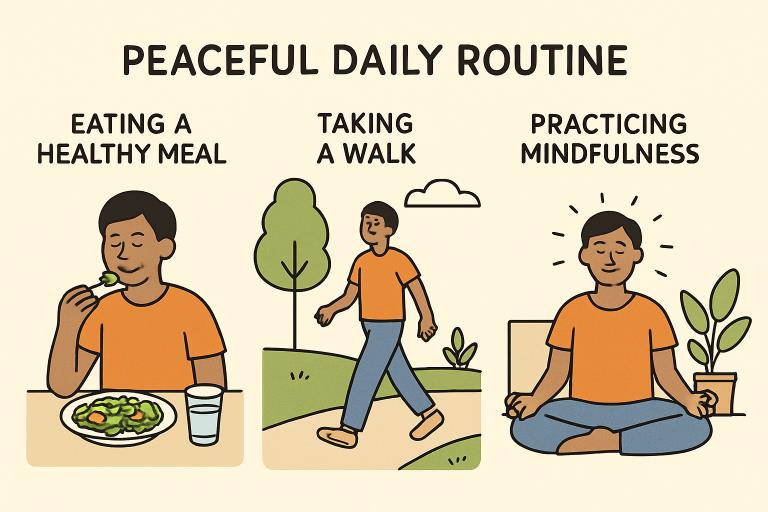
- Balanced Nutrition:A diet centered on whole foods—such as vegetables, fruits, high-quality proteins, and healthy fats—nourishes both the body and mind. Nutrient-rich meals replenish vital stores depleted during addiction and help regulate mood. Reducing processed foods and sugars can improve cognitive function and emotional regulation.
- Regular Exercise:Engaging in physical activity, such as a brisk daily walk or gentle yoga, can reduce anxiety and depression while improving overall physical health. Exercise is a proven strategy for managing cravings and enhancing sleep quality, both of which are essential for achieving sustainable recovery.
- Mindfulness Practices:Incorporating mindfulness through meditation, journaling, or simple breathing exercises helps individuals become more aware of their emotions and the triggers that evoke them. Mindfulness techniques are shown to decrease stress, lower relapse rates, and foster emotional resilience. For a deeper understanding, Psychology Today offers a comprehensive overview of mindfulness and its benefits.
Implementing Healthy Habits
Establishing new routines takes intentionality and patience. Approaching change with a plan increases the likelihood of success and helps prevent setbacks. Here’s how individuals can build sustainable habits:
- Start Small:Focus on one habit at a time, such as drinking a glass of water each morning or taking a short walk outside. Small steps provide momentum without overwhelming the mind.
- Set Clear Goals:Make each new goal specific and measurable. For example, “meditate for five minutes before bed” offers a tangible target, compared to the vague intention to “relax more.”
- Use Reminders:Visual cues, such as sticky notes, phone alarms, or journal tracking, help reinforce new behaviors until they become second nature.
- Seek Support:Recovery is not a solo endeavor. Partnering with mentors, accountability buddies, or professional counselors provides encouragement and practical tips for overcoming roadblocks.
Overcoming Common Challenges
Barriers are inevitable when adopting new behaviors, but they aren’t insurmountable. Here’s how individuals can navigate common obstacles:
- Be Patient:Habits take time to form. Allow room for mistakes without self-judgment, focusing instead on the overall progress that has been made.
- Stay Flexible:Life is unpredictable, so routines may need to be adjusted. Remaining adaptable helps reduce feelings of failure and supports long-term progress.
- Celebrate Progress:Recognizing even the smallest achievements builds motivation and reinforces routine adherence. Creating a gratitude journal or sharing successes with a friend can amplify these positive effects.
The Role of Support Systems
Building and maintaining healthy routines is easier with a strong support network. Support groups and peer communities offer a sense of belonging, shared experience, and collective wisdom. Regularly attending group meetings fosters accountability and helps stave off isolation—one of the leading risks for relapse. Integrating these connections into the daily or weekly schedule creates rhythm and support for the recovery journey, enhancing individual resilience and well-being.
Professional guidance from therapists, coaches, or specialized recovery programs can also be instrumental in achieving this goal. These allies not only help individuals develop routines tailored to their needs but also provide strategies to manage setbacks and celebrate wins.
Conclusion
Healthy daily routines are the bedrock of sustainable recovery. Whether it’s starting the day with intention, nourishing the body with wholesome foods, incorporating mindful movement, or seeking support, these practices provide the structure and stability needed for lasting wellness. As each routine becomes a natural part of life, individuals move closer to the balanced, fulfilled lives they deserve—one healthy habit at a time.