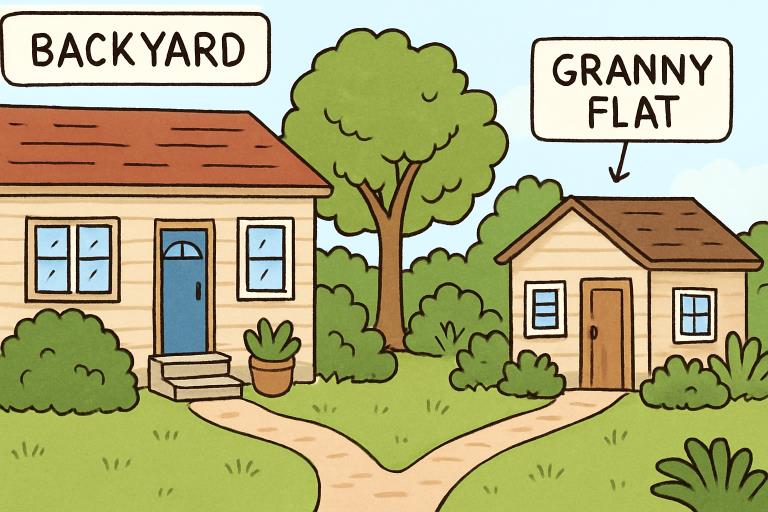
As housing costs continue to rise and cities grapple with affordability challenges, homeowners across the U.S. are turning to innovative solutions, such as Accessory Dwelling Units (ADUs). These self-contained apartments, often located in backyards and colloquially referred to as “granny flats” or “backyard cottages,” are transforming our perspective on multi-generational living, rentals, and home investment. Homeowners interested in customized, expertly constructed backyard homes can consult experienced professionals, such as an ADU builder in Arizona, to bring their vision to life.
Detached ADUs, in particular, are gaining momentum as a flexible, privacy-focused way to add housing units without the complexity of large-scale development. These independent living spaces offer not only practical benefits for homeowners but also align with city planning goals regarding density, affordability, and sustainability.
Increasingly, municipalities recognize the value of ADUs as a way to leverage existing residential lots for increased housing options. By removing barriers and encouraging construction, these homes have become a central focus of housing policy discussions across the country.
This article explores what makes detached ADUs unique, their many advantages, regulatory shifts that have spurred their growth, design considerations, and practical solutions to common challenges.
What Are Detached ADUs?
Detached Accessory Dwelling Units are fully separate housing structures built on the same legal lot as a primary home. Unlike attached ADUs—which are converted garages, basements, or additions that share a wall with the main house—detached ADUs stand alone. They offer the essentials of a traditional home, including kitchens, bathrooms, and private living spaces, but remain distinctly separate, promoting both privacy and flexibility.
Benefits of Detached ADUs
Detached ADUs provide an array of benefits to property owners and communities:
- Increased Housing Supply:By making full use of existing neighborhoods, detached ADUs allow cities to add housing without changing neighborhood character or requiring more land.
- Rental Income:These units can be offered as long- or short-term rentals, creating a steady revenue stream that can help with mortgage payments, retirement, or home improvements.
- Multigenerational Solutions:Homeowners can house relatives or support children returning home from college, all while providing each family group privacy and autonomy.
- Boosted Property Value:Properties with well-designed ADUs are often more attractive to buyers and can drive up overall home value, as reported by housing market analysts like Zillow.
Regulatory Changes and Legalization
Legislators across several states have recognized the need to simplify and encourage the construction of ADUs. For instance, Massachusetts recently made it easier for homeowners to add ADUs by streamlining approvals and eliminating much of the red tape. This pivotal regulatory shift, detailed in official state communications, is part of a larger national trend that is easing restrictions to help alleviate the housing crisis.
In a further boost, California passed Assembly Bill 1033, enabling homeowners to sell detached ADUs as separate real estate entities, similar to condominiums. This innovation unlocks new investment opportunities and expands pathways to homeownership.
Design and Construction Considerations
To ensure a seamless ADU project, mindful design and planning are essential. Key factors include:
- Size and Layout:Most detached ADUs range from 400 to 1,000 square feet, maximizing function within a compact area and adhering to local regulations.
- Architectural Consistency:Matching the style and materials of the addition to those of the primary residence enhances neighborhood harmony and appeases local review boards.
- Sustainability:Incorporating eco-friendly building materials and high-efficiency appliances can help minimize long-term utility costs and reduce environmental impact.
- Accessibility:The ADU features flat entrances, wide doorways, and universal design elements, ensuring usability for occupants with varying mobility needs.
Financial Implications and Incentives
Though building a detached ADU requires up-front investment, many homeowners recoup costs through rental income, added home value, and available financial incentives:
- Grants & Loan Programs:States and cities may offer loans, tax incentives, or grants intended to foster ADU construction, particularly for low- and moderate-income homeowners.
- Tax Benefits:Building an ADU can lead to property tax exemptions on construction costs or eligibility for federal energy efficiency incentives.
- Strong ROI:When rented, ADUs can often pay for themselves over time, offsetting initial build costs and increasing homeowner financial stability.
Real-Life Examples and Success Stories
Communities across the country are seeing tangible results from embracing ADUs. In Des Moines, for instance, a nonprofit launched the city’s first modern ADU—a four-bedroom, two-bath unit—demonstrating how these homes can help address pressing affordable housing needs.
Similarly, a Massachusetts family recently built a spacious two-bedroom ADU to keep their daughter’s family close by, highlighting the multi-generational potential of these units.
Potential Challenges and Solutions
Detached ADUs, despite their promise, face challenges:
- Zoning Hurdles:Compliance with evolving local codes may require professional support; proactivity with planning departments helps clarify the path forward.
- Build Costs:Construction can be costly, but using modular builders or prefabricated solutions offers significant savings.
- Neighborhood Pushback:Gaining support from neighbors through transparent dialogue and sharing successful local case studies can smooth the development process.
Conclusion
Detached Accessory Dwelling Units are redefining suburban landscapes, enabling homeowners to invest in their properties while addressing urgent housing needs. These flexible, independent living spaces offer a practical solution for families, renters, and cities pursuing greater housing options. As regulations continue to evolve and awareness of detached ADUs grows, their impact on communities looks set only to expand, fueling both innovation and accessibility for years to come.