Modern home design isn’t just about pretty rooms—it’s about making every square meter work smarter, feel calmer, and tread lighter on the planet. Think of it as a film set for your life: light is the star, textures do the character work, and technology cues up the scene changes. As culture shifts and tech upgrades accelerate, the most exciting homes blend timeless comforts with forward-looking moves—spaces that flex for work and play, nurture health, and feel deeply personal.
Designing for Daylight, Not Glare
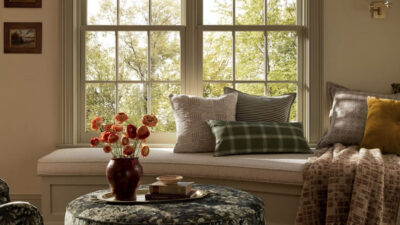
The new luxury is daylight, and lots of it. Designers shape light with intent—tall windows on the cooler side of the house, skylights or tubular daylighting in deep-plan spaces, and reflective surfaces that bounce illumination into corners. Light shelves, pale ceilings, and a splash of soft white on the back wall can pull daylight deeper than you’d expect. Glazing choices matter, too; high-performance windows help you welcome brightness without summer heat tagging along. The goal is luminous, not blinding—shading, trees, and sheer textures become part of the toolkit so you enjoy the sun on your terms.
Open Plans That Actually Work
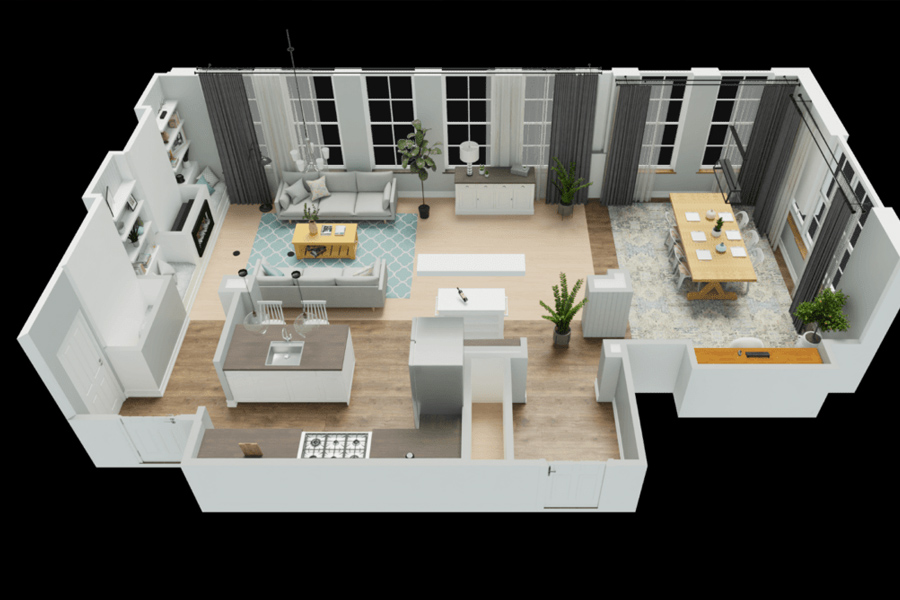
Open plan is smarter, not dead. Think zones within a flow: a ceiling drop above the island to delineate the kitchen, a rug and pendant trio for the lounge, a slender bookcase as a delicate threshold. Calls and schoolwork are quiet with pocket doors or sliding panels. Cooking is doable with good ventilation and a high-capture hood. Orchestration creates expansive sightlines and controlled acoustics and air.
Seamless Indoor–Outdoor Living
A small home grows when a wall falls and the garden enters. Built-in screens keep insects out and large pocket sliders, bi-fold doors, and level thresholds remove barriers. Porcelain pavers, weatherproof upholstery, and exterior-rated lights connect your living area to a terrace or courtyard. Filtered shade from pergolas and vines creates microclimate comfort without energy use. Multi-point locks and tiered lights make indoor–outdoor life easy and safe.
Sustainable Materials and Low-Energy Systems
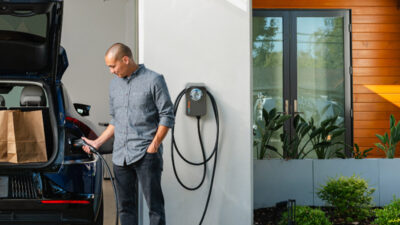
Sustainability is the project brief, not a trend. Low-carbon concrete mixtures and cross-laminated lumber reduce embodied emissions, while bamboo, cork, reclaimed timber, and recycled steel are durable and lightweight. A tight, well-insulated shell and heat pumps provide efficient heating and cooling; radiant floors offer quiet luxury. Add solar-ready wiring, battery space, and an EV charger stub-out even if you’re not installing everything right now. Smart irrigation, rainwater tanks, and greywater for gardens reduce water use and keep landscapes lush. Finish with an energy recovery ventilator for fresh air without sacrificing efficiency.
Minimalism with Soul
Minimalism doesn’t have to read as sterile. It’s about editing with heart: fewer, better pieces; hidden storage that handles the everyday clutter; and textures—think limewash, wool, oiled wood—that warm the room. A neutral foundation makes color accents, art, and plants pop like well-timed close-ups. Built-ins that disappear into the architecture clear surfaces and calm the eye. The result is downtime-friendly and easy to maintain, without losing character.
Homes That Think Ahead
Smart homes are shifting from gimmick to gracious. App- and voice-controlled scenes set the mood—morning lights and fresh air, movie-night dimming, away-mode security—while sensors handle routine tasks so you don’t have to. Keep the backbone simple and secure: strong Wi-Fi, wired backbones (Ethernet where you can), local control for essentials, and a system that works across platforms. Select devices that update easily and play nicely together—today’s smart should still be smart in five years. It’s convenience, but it’s also resilience, from routine upkeep like garage door spring repair to future-ready upgrades that keep the home working smoothly.
Rooms That Shape-Shift
Life is dynamic, so spaces should pivot. A wall bed turns an office into a serene guest suite; a fold-down desk makes a hallway a legit workstation; track-mounted partitions reconfigure a studio in seconds. Modular sofas and tables morph for solo nights or big gatherings without swallowing floor area. Even better, plan utility stubs for a future wet bar or kitchenette so rooms can graduate as your needs change.
Small Spaces, Big Moves
Compact footprints reward clever detailing. Wrap storage around doors, float shelves to the ceiling, and borrow depth for built-ins that feel intentional, not crammed. A banquette tucks seating into corners and conceals bulkier items; toe-kick drawers capture space you never knew you had. In the kitchen, go narrow-depth appliances, an island on casters, and a sink that hides under a cutting board. Sliding or pocket doors free up swing space and make circulation effortless.
Make It Yours
Uniformity is out; your voice is in. A custom color story, a hero light fixture, or a stripe of patterned tile can set the tone without overwhelming. Mix heirlooms with clean-lined basics, or commission a small piece—like a locally made shelf or 3D-printed sconce—that no one else has. Even the power of a gallery wall over a pared-back console can turn a pass-through into a mini set piece. The art is in the edit: enough personality to sing, enough restraint to breathe.
Designing for Health
Healthy homes start with unseen parts. Pair low-VOC paints, formaldehyde-free cabinetry, and natural fibres underfoot with ERVs and right-sized filtration for consistent fresh air. Encourage exercise with stairs, bike storage outside the door, and a morning sun mat. Acoustically layer soft finishes and appropriate walls to make quiet a necessity. Hydration is easy with a tap water filter and tunable lighting for circadian rhythms.
Context Is the Quiet Hero
Listening to their site makes the greatest homes feel grounded. Catch breezes, orient for winter sun and summer shade, and frame brain-resetting sights. Borrow local craft or vernacular forms—a broad porch, shaded courtyard, pitched roof that sheds snow—to make the house belong and impress. Fire-resistant landscaping, flood-resistant foundations, and storm-rated openings protect without panicking. Not merely a backdrop, landscape collaborates.
Built to Evolve
Design for current and future you. Modern entrances, lever handles, and curbless showers make aging-in-place easy tomorrow; hidden wall blocking awaits grab bars. Demountable walls can turn youngsters’ rooms into teen lounges or lofts into studios. Allow mechanical access and equipment updates. Flexibility protects value and peace when life changes.
FAQ
Are open-plan layouts still practical if I need quiet for work?
Yes—use sliding panels, pocket doors, and acoustic treatments to create quiet zones without losing the open feel.
How can I increase natural light without overheating the house?
Choose high-performance glazing, add exterior shading, and aim larger windows north or east while controlling west sun.
What are a few sustainable materials that don’t blow the budget?
Cork and bamboo flooring, reclaimed wood accents, and low-VOC paints deliver big impact at approachable prices.
Do I need a whole-house smart system to get started?
No—begin with smart lighting or a thermostat, then add devices over time on a platform that supports multiple brands.
How do heat-recovery ventilators improve indoor air quality?
They bring in fresh air and exhaust stale air while transferring heat, keeping you comfortable and improving air quality efficiently.
What’s an easy way to create indoor–outdoor flow in a small home?
A wide slider with a level threshold and matching floor materials can visually and physically extend the living area outside.
Is minimalist design too cold for family living?
Not if you layer textures, warm woods, and soft textiles—minimal simply means intentional, not empty.
How can I make a tiny kitchen feel bigger and work better?
Use tall, slim cabinets, reflective finishes, integrated lighting, and multi-use elements like an island on casters.
What should I wire now to future-proof my home?
Run Ethernet to key rooms, leave conduit to the attic and garage, and reserve space for solar, batteries, and an EV charger.
How do I design for aging in place without it looking clinical?
Choose curbless showers, beautiful grab-bar-ready fixtures, lever handles, and wider clearances that read as modern design.