Key Takeaways
- Modern home fencing enhances curb appeal while complementing architectural design.
- Horizontal slats, black aluminum, white vinyl, and mixed-material fences each offer distinct aesthetic and functional benefits.
- Material choice should balance durability, maintenance, and climate suitability.
- Fences must integrate seamlessly with the home’s design while addressing privacy and security needs.
- Thoughtful selection of style, color, and layout ensures harmony between the house, landscape, and fence.
Understanding Modern Home Aesthetics
Modern home design is defined by its commitment to clean lines, understated elegance, and a strong connection between indoor and outdoor living. Every exterior detail matters, and one of the most important choices a homeowner can make is selecting the right fencing to complement these architectural values. A proper fence does much more than simply mark boundaries; it enhances curb appeal, creates privacy, and visually extends the property’s sophisticated style guidelines. For homeowners in Florida, reaching out to EverFence of Tampa can help guide this essential decision, ensuring that your fence reflects your home’s modern sensibilities.
The importance of fencing goes beyond simple aesthetics. It must serve multiple functions: safety, privacy, and seamless integration with the landscaping and architectural features. Modern homes require fences that echo their distinct designs without overwhelming their subtle elegance. Choosing the right material, style, and color scheme will create a sense of unity between the house and its perimeter, elevating the entire property.
Key Features of Modern Home Design
- Clean Lines and Minimalism:Modern architecture favors uncomplicated, angular forms and rejects unnecessary ornamentation. Fencing that reflects simplicity in structure blends more naturally with modern homes.
- Neutral and Natural Tones:Earthy materials such as stone, wood, and metal paired with neutral color palettes give homes a grounded yet airy feel that seamlessly connects indoor and outdoor spaces.
- Open Spaces and Natural Light:Expansive glass walls and open floor plans are essential in modern homes. Fencing should not impede these features, but rather enhance them through thoughtful design choices.
When selecting fencing, these features must be considered to avoid visual clutter and maintain the sophisticated tone set by the main structure. Striking a balance between privacy and openness is vital, as is respecting the home’s palette and materiality.
Top Fence Styles for Modern Homes
Horizontal Slat Fencing
Horizontal slat fences have become synonymous with modern design. Their linear arrangement echoes the strong horizontal emphasis often seen in modern facades. Wood slats, stained in light or dark neutral tones, add warmth while accentuating geometric simplicity. Composite materials can be an alternative, offering durability and weather resistance with a similar look. The spacing between slats provides privacy while inviting airflow and glimpses of the landscape beyond.
Black Aluminum Fencing
Black aluminum fencing offers an ideal mix of minimalism and strength. Its slim, vertical or horizontal pickets deliver a crisp outline without stealing the home’s design focus. Aluminum resists rust and needs very little maintenance, making it highly practical for busy homeowners. This style works exceptionally well with neutral exteriors or homes featuring concrete and glass, and creates a sophisticated, high-contrast look with light architectural finishes.
White Vinyl Fencing
For those drawn to an ultra-clean, uniform aesthetic, white vinyl fencing offers a sleek option. Its glossy finish and consistent color ensure the fence remains as striking as the day it was installed. Vinyl is resilient and easy to care for, requiring only occasional rinsing. This material works best for those who want minimal visual distractions and favor a tidy, pristine style that amplifies the house’s neat geometry.
Mixed-Material Fencing
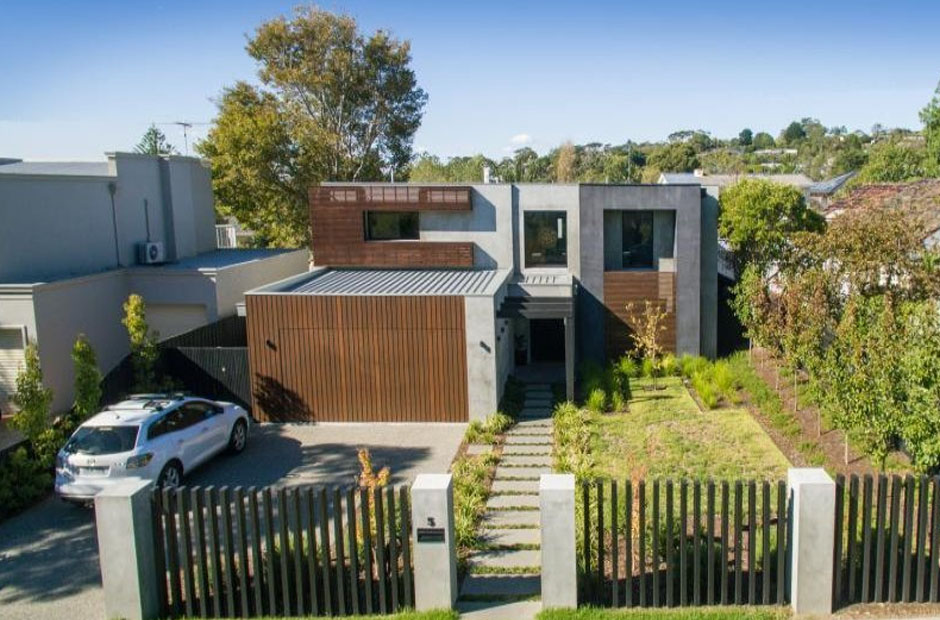
Combining contrasting materials is an excellent way to reflect the layered yet minimalist tendencies in modern architecture. For example, pairing a black steel frame with natural cedar panels can offer both durability and organic warmth. Other combinations might include corrugated metal and wood or glass and powder-coated aluminum. Customizing elements such as color, proportion, and finish allows homeowners to tie the perimeter to specific architectural moments within the home itself.
Considerations for Choosing the Right Fence
- Material Quality and Durability:Prioritize long-lasting materials that are well-suited to your climate. Wood offers warmth, while metals like aluminum and steel promise longevity and strength. Vinyl is a good option for low-maintenance needs.
- Design Consistency:Your fence should look like a natural extension of your home. Choose styles and finishes that reflect your home’s lines and materials to ensure the whole property feels united.
- Privacy Needs:Consider your desired level of seclusion. Select a solid fence for maximum privacy, or opt for spaced slats for a more open, inviting feel. Take your local regulations and neighbor relationships into account as well.
Final Thoughts
Choosing the right fencing for a modern home involves more than personal taste. The best choices align with the home’s architectural principles, blend efficient function with style, and respect the design’s overall flow. Homeowners who carefully consider materials, consistency, and privacy will find that their property not only gains curb appeal but also comfort and value. Whether you select a horizontal wood slat, bold aluminum, crisp white vinyl, or a tailored mixed-material structure, your fence can and should be a true extension of your modern home’s character.