Running out of room is one of the quieter problems a growing business deals with. It rarely shows up as a single emergency. Instead, it builds slowly, through extra inventory that has nowhere to sit, files that pile up in corners, and equipment that gets shuffled from one spot to another. By the time the issue becomes obvious, productivity has already taken a hit, and the workspace feels tighter than it should. The good news is that solving a space problem does not require signing a longer lease or moving into a bigger facility. There are practical, affordable ways to free up room and keep operations moving without straining the budget.
On-Site Container Solutions That Scale with Demand
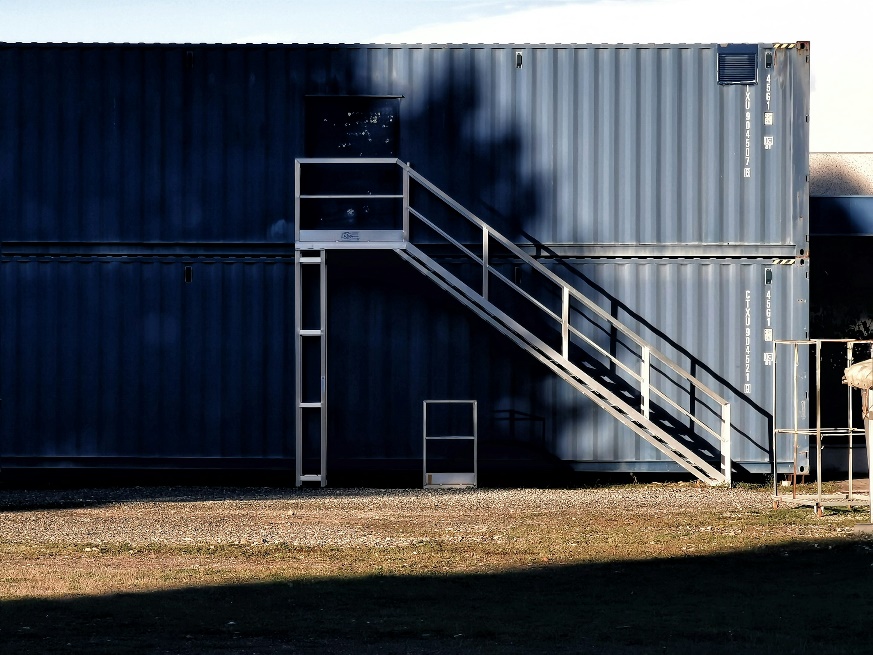
Many companies hit a point where their existing square footage simply cannot hold everything the business needs to keep running. Tools, seasonal stock, paperwork, and oversized equipment start crowding the work areas, which slows down employees and creates safety concerns. Owners in this position rely on storage container rentals that get delivered directly to the site, giving the business a secure, weather-resistant unit parked exactly where it is needed. These rentals come in different sizes, so a small operation can grab a compact unit for surplus inventory while a larger company can opt for something with the capacity to hold the contents of an entire department. The container stays on site for as long as the rental term runs, and it can be returned once the need passes.
Rethinking the Layout of Existing Space
Before spending money on anything new, it helps to take a hard look at how the current space is being used. Most workplaces have pockets of wasted square footage hiding in plain sight. Wide aisles, oversized desks, half-empty supply closets, and outdated furniture all eat into usable area without adding any real value. A simple walkthrough with a notepad can reveal where things are stacked inefficiently or where vertical wall space is going untouched.
Switching to taller shelving, narrower workstations, and modular furniture often creates a surprising amount of breathing room. Wall-mounted organizers and stackable bins push items upward instead of outward, which keeps floors clear and walkways open. Even something as small as labeling shelves and grouping similar items together can shave hours off the workweek and reduce the temptation to buy more space than the business actually needs.
Embracing Digital Systems to Reduce Physical Clutter
Paper takes up far more room than most owners realize. Filing cabinets, banker boxes, and stacks of invoices can occupy a noticeable portion of a small office. Moving toward digital recordkeeping clears out a tremendous amount of physical bulk and makes day-to-day work faster. Scanning old documents, switching to cloud-based accounting software, and signing contracts electronically all chip away at the paper mountain.
Beyond paperwork, digital tools also reduce the need for physical samples, printed catalogs, and bulky reference materials. A tablet or a shared drive can replace shelves of binders, and a well-organized folder structure is far easier to search than a row of dusty boxes. The result is a cleaner office, a lighter mental load for the team, and more usable space without any construction or moving costs.
Sharing or Subletting Underused Areas
Some businesses are sitting on space they do not actually need, while others are desperate for a little extra room. Subletting a portion of an office, sharing a warehouse with a complementary business, or renting out a meeting room during off-hours can turn an underused area into a small income stream. This approach works particularly well for companies that operate on a hybrid schedule and find that certain rooms sit empty for half the week.
Coworking arrangements are another angle worth considering. Pairing up with another small business that has compatible hours and a similar professional vibe can split costs while keeping both operations functional. The key is finding a partner whose needs do not clash with yours, and putting a clear written agreement in place to avoid friction down the line.
Smart Purchasing Habits That Prevent Overflow
A lot of space problems start at the buying stage. Bulk discounts look attractive on paper, but they can quickly fill a stockroom with items that take months to move. Adjusting purchasing habits to match actual turnover rates keeps the inventory leaner and the workspace less crowded. Ordering smaller quantities more frequently, even if the per-unit cost is slightly higher, often saves money in the long run when factoring in the cost of square footage.
The same logic applies to office supplies, promotional materials, and equipment. Buying only what the team will use within a reasonable timeframe prevents the slow accumulation that turns a tidy workspace into a maze. Reviewing purchasing patterns once a quarter and adjusting based on what actually got used is a low-effort habit that pays off quickly.
Outsourcing Functions That Eat Up Room
Certain business functions take up more space than they are worth. Printing, mailing, packaging, and even some forms of light manufacturing can often be handed off to outside vendors who specialize in those tasks. Outsourcing these activities frees up not just the physical area they occupied, but also the equipment, supplies, and staff time that went along with them.
This approach is particularly useful for small companies that have outgrown their original setup but are not ready to commit to a larger facility. By trimming the operations that demand the most floor area, the business can stay in its current location longer and put the savings toward growth in other areas.
Building a Long-Term Space Strategy
Solving the immediate problem is only half the work. The other half is building habits and systems that prevent the same crunch from coming back six months later. Setting a regular schedule to review inventory levels, clear out unused items, and reassess the layout keeps things from creeping back to where they started. A little ongoing attention costs almost nothing and pays off in a workspace that stays functional as the business grows.