When touring a home, it’s easy to focus on the features that stand out immediately: updated kitchens, spacious layouts, natural lighting, and curb appeal. Outdoor spaces, such as decks, often add significant value to a property, creating an impression of comfort and lifestyle appeal. However, many homebuyers don’t realize that a deck can also hide costly issues that aren’t obvious during a quick showing. Experienced Fairfax VA real estate agents often encourage buyers to look beyond appearances and pay close attention to outdoor structures, as hidden deck problems can lead to unexpected repair expenses after closing.
Deck problems are often subtle, especially when they involve structural wear, moisture damage, or aging materials that still look acceptable on the surface. Understanding the most common deck issues buyers overlook can help you make a more informed decision and avoid unexpected repair costs after moving in. In many cases, consulting a Leesburg deck builder can provide valuable insight into a deck’s condition, safety, and potential repair needs before finalizing a home purchase.
This guide explores the key deck inspection concerns buyers often miss during home showings and what to look for before making an offer.
Why Deck Condition Is Easy to Overlook During Home Showings
During a showing, most buyers spend only a few minutes outdoors, and attention is usually focused on aesthetics rather than structural integrity. A freshly stained deck or neatly arranged patio furniture can easily disguise underlying problems.
Additionally, many issues develop gradually and are not immediately visible without closer inspection. This is why understanding what to look for during a home tour is so important when evaluating deck condition.
Hidden Structural Weakness in Deck Support Posts
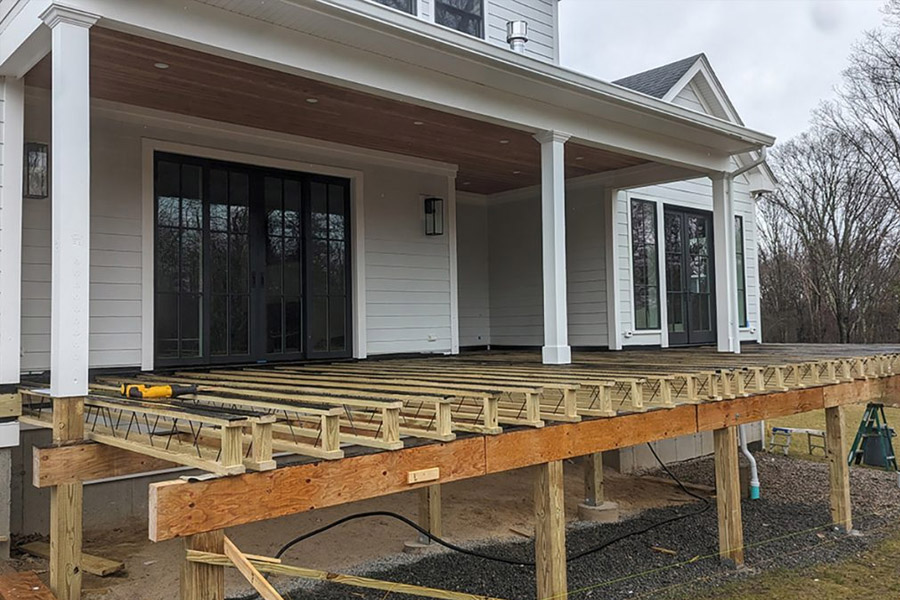
One of the most serious but least visible issues involves the structural support system beneath the deck.
Why It Goes Unnoticed
Support posts and beams are often partially hidden by skirting, landscaping, or shadows beneath the deck. Unless a buyer actively checks underneath, signs of deterioration may be missed.
Common Problems Include
- Rotting wood at ground contact points
- Rusting metal connectors
- Shifting or uneven support posts
- Improper spacing or outdated construction methods
Structural issues can be expensive to repair and may require partial or full deck reconstruction if left unaddressed.
Surface Wear That Masks Deeper Damage
A deck may appear well-maintained on the surface while hiding more serious wear beneath.
Surface Appearance Can Be Deceptive
Fresh paint or stain can temporarily improve appearance, making it harder to notice aging materials underneath. While cosmetic improvements are common in home preparation, they can sometimes conceal deeper issues.
Warning Signs to Look For
- Uneven or soft board surfaces
- Slight sagging between support beams
- Warped or splitting wood planks
- Inconsistent coloration that may indicate patchwork repairs
Even if the deck looks visually appealing, structural integrity should always be considered.
Moisture Damage and Rot in Wood Decking
Moisture is one of the most common causes of deck deterioration, especially in wood structures.
Why Moisture Problems Are Easy to Miss
Surface moisture damage may not be immediately visible during a showing, especially if the weather is dry. However, long-term exposure to rain, humidity, and poor drainage can lead to hidden decay.
Common Moisture-Related Issues
- Wood rot near joints or fasteners
- Soft spots in decking boards
- Mold or mildew growth underneath the structure
- Water pooling near support areas
These issues can worsen quickly if left unaddressed.
Loose or Rusted Fasteners
Fasteners such as nails, screws, and metal brackets play a critical role in deck stability.
Why Buyers Overlook Fastener Issues
These small components are often hidden or blend into the structure, making them difficult to inspect without a close look.
Signs of Trouble
- Screws backing out of boards
- Rust stains around joints
- Loose railing connections
- Wobbly steps or handrails
Fastener issues may seem minor, but they can indicate larger structural concerns.
Poor Drainage Around the Deck
Drainage plays a major role in long-term deck durability, yet it is rarely noticed during a quick showing.
How Drainage Problems Develop
When water does not properly flow away from the deck, it can accumulate around the base, increasing the risk of rot and instability.
What Buyers Often Miss
- Soil erosion under the deck
- Water stains on support posts
- Standing water after rain
- Overgrown vegetation traps moisture
Poor drainage can significantly shorten a deck’s lifespan.
Unstable or Worn Railings
Railings are among the most frequently used safety features on a deck, but they are often not thoroughly tested during showings.
Why It Matters
Loose or weakened railings can indicate aging fasteners or deteriorating structural connections.
Signs to Check
- Wobbling when lightly pushed
- Gaps between railing sections
- Cracked or splitting wood
- Rusting metal supports
Railings that feel unstable should never be overlooked.
Foundation Movement and Uneven Settling
Over time, decks can shift due to soil movement, weather changes, or improper installation.
Why It Is Hard to Notice
Slight unevenness may not be obvious unless you walk across the deck carefully or observe from different angles.
Common Indicators
- Sloping or uneven walking surface
- Gaps between boards and house connection points
- Visible tilting of support posts
- Doors near the deck are sticking or misaligned
Foundation issues can be a sign of long-term structural movement.
Aging Wood That Has Lost Its Strength
Even if a deck appears intact, aging materials may no longer offer the same durability as newer materials.
Natural Aging Process
Wood decks gradually weaken over time due to exposure to sunlight, moisture, and temperature changes.
What Buyers Should Watch For
- Dry, brittle boards
- Splintering surfaces
- Faded or inconsistent coloration
- Excessive wear in high-traffic areas
A deck can look visually acceptable while still being near the end of its lifespan.
DIY Repairs That Hide Bigger Problems
Some homeowners attempt minor repairs or cosmetic fixes before listing their property.
Why This Can Be Misleading
While repairs may improve appearance, they do not always address underlying structural issues.
Examples of Surface-Level Fixes
- Fresh stain over damaged wood
- Replaced boards without matching support repair
- Painted-over cracks or imperfections
- Temporary fasteners added for stability
Buyers should always consider the possibility of hidden repairs when evaluating deck condition.
Why a Closer Inspection Is Always Worth It
Decks are valuable outdoor living spaces, but they are also exposed to constant environmental stress. Because of this, they require regular maintenance and careful evaluation when purchasing a home.
A quick walk-through is often not enough to identify deeper concerns. Taking additional time or requesting a professional inspection can help reveal issues that may not be visible at first glance.
Final Thoughts
Common deck issues are often easy to miss during home showings because they are either hidden beneath the structure or masked by cosmetic improvements. From moisture damage and loose fasteners to foundation movement and aging materials, these issues can significantly affect safety and long-term maintenance costs.
By knowing what to look for, homebuyers can make more informed decisions and avoid unexpected repairs after moving in. A deck may look like a simple outdoor feature, but its condition plays a significant role in a home’s overall value and safety.
Careful evaluation during the buying process ensures that what looks like a relaxing outdoor space today does not become a costly repair project tomorrow.