Key Takeaways
- Driver fatigue, speeding, and distracted driving are primary causes of truck accidents.
- Proper vehicle maintenance and correct cargo loading are essential for preventing mechanical failures.
- Both truck drivers and passenger vehicle operators share the responsibility of maintaining road safety.
Truck accidents continue to pose a significant threat to America’s highways, affecting thousands of individuals annually. The size and weight of tractor-trailers amplify the dangers, often leading to catastrophic injuries or fatalities in the event of a collision. Learning the main causes of truck accidents and understanding how to protect yourself can significantly enhance your safety and reduce the risk of tragic outcomes. For individuals impacted by such incidents, consulting a tractor trailer injury attorney may be crucial for understanding their legal rights and securing compensation.
Accidents on the road are not always inevitable; many collisions stem from preventable factors such as driver fatigue, inadequate vehicle maintenance, and unsafe road practices. A proactive approach to recognizing and mitigating these risks is essential for both truck drivers and passenger vehicle operators, aiming to foster safer highways for all users. Safety awareness and continuous education about road responsibilities are critical, particularly for truck professionals and everyday drivers who share the roads with large commercial vehicles. This shared responsibility can significantly reduce the risk of severe accidents. Moreover, environmental conditions, such as adverse weather, play a crucial role in accident outcomes. Drivers must remain alert and adapt their driving techniques to suit changing conditions—whether due to heavy rain, snow, or low visibility—to enhance accident prevention and protect lives.
Driver Fatigue
Fatigue is a silent but serious adversary on the road. Long driving hours are a common part of the job for many professional truckers, yet exhaustion can impair reaction times and even cause drivers to fall asleep at the wheel. Despite regulations set by the Federal Motor Carrier Safety Administration (FMCSA) to limit hours on duty, violations are not uncommon. Drivers must respect these limits and prioritize regular breaks, not only for regulatory compliance but for their own safety and the safety of others. Regular sleep, healthy routines, and monitoring for signs of tiredness are essential preventive measures.
Speeding and Aggressive Driving
Speed is a critical factor in truck-related accidents. The stopping distance for heavy trucks is much greater than that for passenger vehicles, which means that even slight increases in speed drastically reduce the margin of error. Aggressive maneuvers, such as tailgating, abrupt lane changes, and disregard for traffic flow, put everyone at greater risk. Both truck drivers and motorists need to maintain speeds appropriate for the conditions, adhere to posted limits, and drive with patience and caution. Law enforcement agencies have initiated campaigns to address reckless driving behavior nationwide, emphasizing the importance of preventing aggressive actions before tragedy strikes.
Distracted Driving
Distracted driving is among the leading contributors to accidents for all vehicle types, and trucks are no exception. Common distractions include texting, talking on the phone, adjusting navigation systems, or even eating while driving. The consequences of brief lapses in attention can be catastrophic due to the size and weight of commercial trucks. Establishing a strict “no distractions” policy for all drivers, supported by legal regulations, is essential to reducing incidents caused by inattention. In addition to truck operators, motorists should also avoid lingering in blind spots or making sudden moves around large vehicles, as mutual awareness is key to accident prevention.
Poor Vehicle Maintenance
Routine inspections and scheduled maintenance are non-negotiable for commercial vehicles. Failure to address worn brakes, malfunctioning lights, or degraded tires can lead to mechanical breakdowns and accidents. The responsibility lies not only with drivers but with trucking companies, who must enforce and document maintenance protocols. Regular checks are essential for safeguarding public safety and are a legal obligation under industry standards.
Improper Cargo Loading
Unbalanced, improperly secured, or overloaded cargo can quickly destabilize even the best-maintained truck. If a load shifts during transit, it may cause a truck to tip over or jackknife, especially during turns or emergency maneuvers. Securement standards, including the correct use of restraints and adherence to statutory weight limits, are crucial. Shippers and drivers must work together to ensure all cargo is safe for transit before any journey begins.
Adverse Weather Conditions
Inclement weather poses unique threats to truck drivers and other road users. Rain, snow, ice, and fog all reduce visibility and degrade tire traction, increasing stopping distances and the risk of losing control. Truckers should adjust speed, increase following distances, and use headlights judiciously as appropriate to the conditions. Planning and training for extreme weather events are essential parts of truck driver education, ensuring that operators can respond adequately under duress.
Sharing the Road Safely
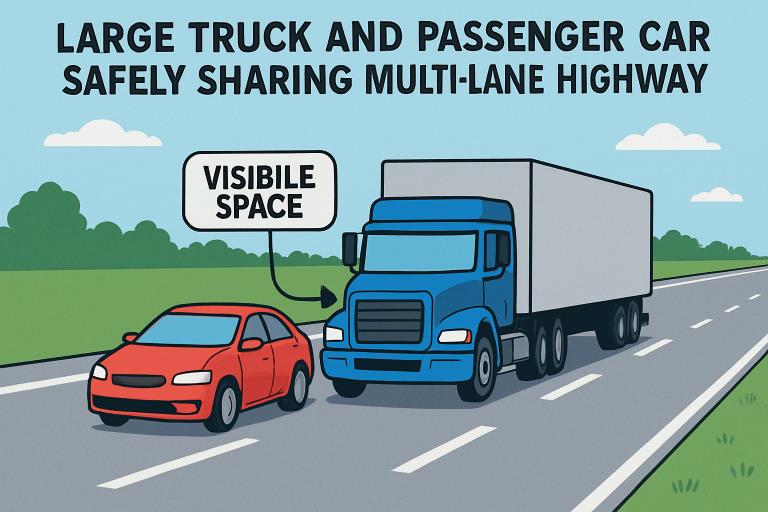
Passenger vehicles are crucial for highway safety. Motorists should avoid truck blind spots, also known as “no zones,” particularly when positioned alongside, directly behind, or in front of trucks. Additionally, leaving ample following distance is recommended to accommodate unexpected stops. It is also essential for drivers to signal well in advance when changing lanes or merging near large trucks to maintain predictability and safety. To further enhance road safety and help prevent collisions involving large vehicles, investing in Nottingham Traffic Management can ensure that truck routes and busy junctions are well-organized and safer for all road users.
Conclusion
A deeper understanding of what drives truck accidents—and how to avoid them—can make all the difference on the road. Truck drivers, motor carriers, and regular motorists must all remain vigilant, proactive, and committed to safe driving practices. Together, we can reduce accident rates, protect lives, and foster a safer future for everyone traveling on our nation’s highways.