Key Takeaways
- Embrace minimalist aesthetics to create uncluttered, serene spaces.
- Incorporate sustainable materials for eco-friendly and durable designs.
- Design open floor plans to enhance social interaction and natural light.
- Integrate indoor and outdoor living areas for a harmonious environment.
- Utilize smart home technology for convenience and energy efficiency.
- Choose durable, low-maintenance materials suitable for vacation homes.
- Personalize spaces with local touches to reflect the home’s surroundings.
- Ensure excellent lighting to create a warm and inviting atmosphere.
Designing a vacation residence is about much more than creating a beautiful escape. The goal is to craft an environment that balances comfort and modern style with practical, low-maintenance living for both short retreats and extended stays. From architectural plans to finishing details, every choice should enhance both the usability and visual appeal of the home. For those exploring future getaway opportunities, you can also investigate Park City luxury real estate listings with floor plans to gather inspiration and discover some of the latest trends shaping the market.
Whether building from scratch or renovating an existing property, thoughtful design decisions can help your vacation home stand out as a true sanctuary. Innovations in building technology, eco-friendly materials, and regional aesthetics are transforming how these residences can serve families, friends, and potential renters seeking unforgettable experiences.
Embracing a Minimalist Aesthetic
A minimalist approach to vacation home design prioritizes clean lines, open areas, and an uncluttered look. This framework makes spaces feel larger and more serene, inviting relaxation and ease. Neutral tones, flexible layouts, and simple yet sophisticated furnishings keep the atmosphere versatile for different styles and seasonal changes. Minimalism also streamlines upkeep, which is important in settings that may go unoccupied for stretches of time.
Incorporating Sustainable Materials
Sustainable design is no longer just a trend; it is an essential part of contemporary building practices. Materials like reclaimed wood and bamboo help reduce environmental impact and add character through unique textures and finishes. Opting for paints and finishes with low volatile organic compounds further improves indoor air quality. Thoughtful sourcing of materials supports conservation efforts and aligns with responsible home ownership.
Designing Open Floor Plans
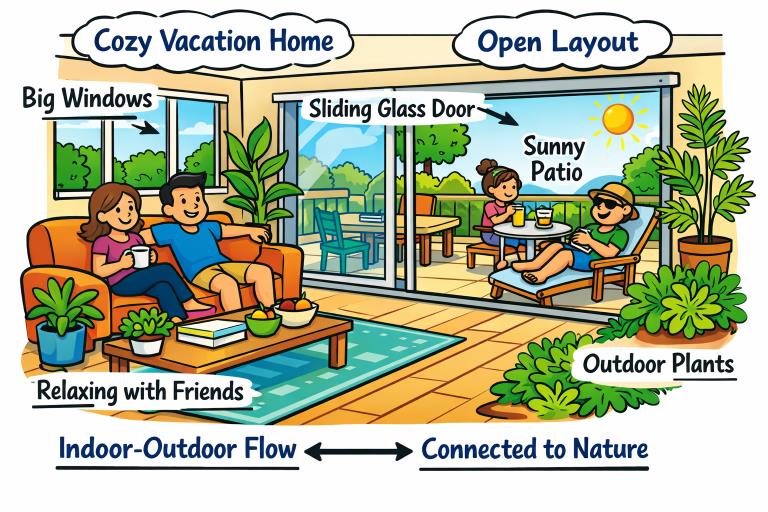
Open floor plans are a staple of modern vacation homes. By merging kitchen, dining, and living zones, these layouts encourage togetherness and flexibility in how the space is used. The absence of rigid walls maximizes square footage and allows natural light to filter throughout the entire area, heightening the sense of openness. Open designs are ideal for entertaining, and they can be easily rearranged to suit groups of various sizes. Families and friends can interact freely, making shared experiences more enjoyable.
Integrating Indoor and Outdoor Living
The best vacation residences dissolve the divide between interiors and nature. Large sliding doors, retractable walls, and picture windows create an effortless connection with outdoor living spaces such as patios, decks, and pool areas. Thoughtfully designed landscapes complement the interior design, allowing guests to dine, relax, and entertain both inside and out.
Implementing Smart Home Integration
Advancements in smart technology make it easier than ever for vacation homeowners to control lighting, HVAC systems, security features, and entertainment with a touch or a voice command. Automated systems offer convenience when arriving at or leaving the property, improve energy efficiency, and provide peace of mind by monitoring the home remotely. Integrating technology seamlessly into the design can make vacation time hassle-free and enjoyable, whether you are on-site or away.
Selecting Durable and Low-Maintenance Materials
Durability and easy upkeep are vital considerations for vacation environments that see high guest turnover or seasonal use. Furniture constructed from natural wood, metal, or leather resists wear and tear. Flooring options like luxury vinyl plank and porcelain tile are ideal for high-traffic areas and moisture-prone rooms. Well-chosen materials extend the longevity of the home and simplify cleaning and maintenance for both owners and guests.
Personalizing Spaces with Local Touches
Customizing interiors with local art, regional textiles, or unique handcrafted accents ensures that a vacation residence feels authentic and memorable. These touches foster a sense of place and connect the home’s design to the surrounding landscape and culture. The goal is to enhance the uniqueness of the retreat without overpowering the restful atmosphere with too many decorative details or clutter.
Ensuring Excellent Lighting
Thoughtful lighting design is essential for functionality, safety, and ambiance. Layered lighting creates dimension and style, while large windows, skylights, and glass doors maximize natural light during the day. Dimmable fixtures and accent lights give homeowners control over mood and energy use, helping to set the right tone from lively gatherings to quiet evenings by the fireplace.
By weaving together comfort, style, and practical choices, vacation homes can be transformed into inviting sanctuaries that welcome owners and guests with open arms. These best practices will help ensure a space that is as functional as it is beautiful, ready to serve as the backdrop for countless memorable moments in any season.