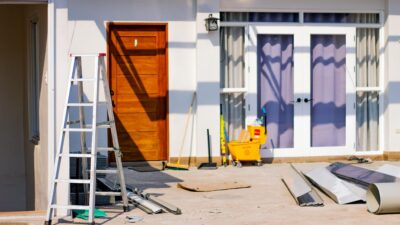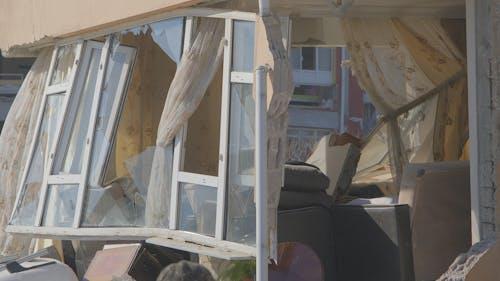
Storm damage can leave your home exposed, unsettled, and in urgent need of attention. Shingles may be scattered across the yard, windows cracked, and water stains spreading across ceilings. The first instinct is often to fix what looks broken and move on. That approach restores basic function, yet it misses an important opportunity.
Post-storm recovery allows you to correct weaknesses that existed long before the weather hit. Reinforcing vulnerable entry points, upgrading roofing materials, and improving drainage systems can transform your home into a stronger structure than it was before. Repairs and improvements should work together.
Assess the Damage Thoroughly
A complete assessment sets the tone for every repair that follows. Start with a slow walk around the exterior. Look for missing shingles, dented siding, cracked windows, and signs of foundation movement. Pay attention to gutters and downspouts that may have pulled away from the roofline.
Inside the home, examine ceilings, walls, and flooring for discoloration or warping. Water often travels beyond the initial point of entry, so stains in one room may signal a larger issue above or behind the surface. Small cracks or soft spots should not be ignored. Documentation plays a key role during this stage.
Protect Doors and Windows
Doors and windows serve as protective barriers, yet they are also common failure points during severe weather. Strong winds place intense pressure on glass and frames, while airborne debris can strike with force. Once an opening is compromised, internal pressure can build quickly and intensify structural stress throughout the home.
Visible damage, such as cracked panes or bent frames, signals the need for replacement, not temporary patchwork. Stronger materials and reinforced framing provide better resistance against impact and sustained wind loads. Upgraded hardware, secure anchoring, and tight seals improve the overall integrity of each entry point. A proper hurricane-rated door installation makes all the difference in safety and performance. Precision fitting, reinforced cores, and heavy-duty components help the door withstand extreme pressure without warping or detaching. This level of protection strengthens the building envelope and reduces the chance of interior damage during severe storms.
Repair the Roof Structure
The roof absorbs much of a storm’s impact. Even minor damage can create pathways for water intrusion that weaken the entire structure. Missing shingles, lifted flashing, and punctured underlayment require immediate attention.
Roof decking should be inspected for soft spots or sagging sections. Compromised areas may need replacement to restore structural strength. Contractors often recommend materials rated for higher wind resistance. Enhanced fastening systems can secure shingles more effectively during future storms. Flashing around chimneys and vents deserves special attention. These transition points frequently allow water to enter when seals fail.
Address Water and Mold Risks
Water intrusion often causes more lasting damage than wind alone. Moisture can seep into walls, insulation, and subflooring within hours. Quick action limits long-term consequences.
Standing water should be removed as soon as possible. Industrial fans and dehumidifiers help dry affected areas thoroughly. Porous materials, such as soaked drywall or insulation, may need removal to prevent mold growth. Lingering moisture creates an environment where mold spreads quickly and quietly. Professional remediation teams use moisture meters to confirm that hidden spaces are fully dry.
Upgrade Drainage and Landscaping
Effective drainage reduces stress on your foundation and exterior walls. Heavy rainfall can overwhelm poorly designed systems and lead to pooling water near the base of the home. Over time, repeated saturation weakens structural components.
Soil grading should direct water away from the foundation rather than toward it. Even minor slope adjustments can significantly improve runoff control. Gutters and downspouts must be clear of debris and securely attached. Extensions can carry water several feet away from the structure. Landscaping choices influence how water moves across the property.
Strengthen Structural Connections
Storm recovery creates an opportunity to improve how your home holds together under pressure. High winds test the strength of the connections between the roof, walls, and foundation. Weak joints increase the likelihood of shifting, lifting, or partial collapse during extreme weather.
Contractors often recommend installing hurricane ties and metal connectors to reinforce roof-to-wall connections. These components secure framing members and reduce the risk of uplift. Upgraded anchor bolts and fasteners improve wall-to-foundation stability. Each reinforcement adds another layer of structural security.
Review Electrical and HVAC Systems
Storm damage often extends beyond visible structural elements. Electrical systems exposed to moisture can pose serious safety risks. Licensed professionals should inspect outlets, wiring, and breaker panels before being used again. Water exposure may cause corrosion that develops into larger problems over time.
HVAC systems also require careful evaluation. Outdoor condenser units can shift during high winds, and debris may obstruct airflow. Flooding can affect internal components and reduce system efficiency. Professional servicing ensures that heating and cooling systems operate safely and reliably. Air ducts should be checked for moisture or contamination. Clean ducts support healthy indoor air quality and prevent mold spores from circulating throughout the home. Replacing damaged insulation around ductwork improves energy efficiency and temperature control.
Create a Storm-Ready Maintenance Plan
Restoration does not end once repairs are complete. A proactive maintenance plan keeps your home prepared for the next storm season. Regular inspections allow you to identify wear and minor damage before it escalates.
Roofing materials, seals around doors and windows, and drainage systems should be checked at least twice a year. Tree branches that hang close to the home should be trimmed to reduce the risk of impact damage. Outdoor furniture and loose items need secure storage when severe weather approaches. Emergency preparedness also plays a role in long-term protection. Keep essential supplies accessible and review evacuation or shelter plans with household members.
Storm recovery involves more than repairing visible damage. Careful assessment, targeted upgrades, and structural reinforcement transform a vulnerable property into a stronger and more resilient home. Each improvement works together to reduce risk and improve stability.
Thoughtful restoration protects your investment and supports long-term safety. A home rebuilt with intention stands ready for whatever the next storm season brings.