Your car is likely one of the biggest purchases you’ll ever make, second only to your home. Yet, from the moment you drive it off the lot, it faces a constant barrage of invisible (and visible) enemies. The sun beats down on the paint, gravel flies up from the highway, and birds… well, birds do what birds do. Without proper care, that showroom shine can fade into a dull, scratched memory faster than you’d expect.
Understanding Environmental Threats
Before diving into solutions, it helps to understand the problem. Your car’s paint isn’t just color; it’s a complex system usually consisting of a primer, a base coat (the color), and a clear coat. The clear coat is the first line of defense, but it is vulnerable to several environmental factors.
UV Rays and Oxidation
Just as your skin can burn, your car’s paint can suffer from sun damage. Prolonged exposure to ultraviolet (UV) rays causes the chemical bonds in the paint to break down. This leads to oxidation, where the paint looks chalky, dull, and faded. Red and black cars are particularly susceptible to this fading if left unprotected.
Acid Rain and Chemical Fallout
Rainwater isn’t always pure. In industrial areas or cities with heavy traffic, rain can collect pollutants from the air, turning acidic. When this acidic water dries on your car, it leaves behind concentrated deposits that etch into the clear coat. Similarly, chemical fallout from factories, brake dust, and tree sap can bond to the surface, creating rough patches that are difficult to remove without damaging the paint.
Road Salt and De-Icers
For those living in colder climates, winter is the enemy. The salt and magnesium chloride used to melt ice on roads are highly corrosive. When this slush kicks up onto your lower panels and undercarriage, it accelerates rust formation. If left unwashed, salt can eat through paint and metal with alarming speed.
Protection Methods: Weighing Your Options
There is no “one size fits all” solution for car protection. The right choice depends on how you use your car, where you park it, and how much you are willing to spend.
Car Covers
For vehicles parked outdoors for extended periods, a car cover is a physical barrier against almost everything: sun, bird droppings, tree sap, and dust.
- Indoor Covers: These are generally made of soft, breathable fabrics like flannel or cotton. They are designed to keep dust off a garage car and prevent accidental scratches from people walking by.
- Outdoor Covers: These are heavy-duty, multi-layered fabrics designed to repel water and block UV rays.
Pros:
- Complete protection from the sun and bird droppings.
- Acts as a theft deterrent (it takes time to remove).
Cons:
- Can be a hassle to put on and take off daily.
- If the car is dirty when covered, the fabric can grind dust into the paint, causing scratches.
- Trapped moisture can lead to mold if the cover isn’t breathable.
Note: Some owners opt for a vinyl car wrap as a semi-permanent alternative to covers, which changes the look of the car while offering a layer of protection against minor abrasions.
Paint Protection Film (PPF)
Often called “Clear Bra,” Paint Protection Film is a transparent, urethane material applied to the high-impact areas of your vehicle—usually the front bumper, hood, side mirrors, and fenders.
Benefits:
- Self-Healing: Many modern PPFs have self-healing properties. If a rock hits the film and creates a scratch, heat from the sun or a heat gun can make the film flow back together, making the scratch disappear.
- Impact Resistance: It is the only protection method that effectively stops rock chips and deep scratches.
Application:
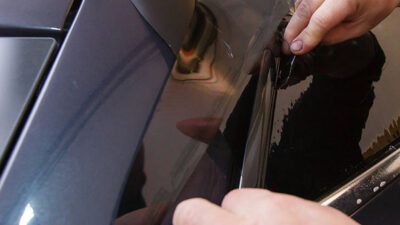
PPF requires professional installation. It involves meticulous cleaning, cutting, and squeegeeing the film onto the car’s curves. While expensive, it offers the highest level of physical protection.
Ceramic Coating
Ceramic coating has become the gold standard for chemical protection. It is a liquid polymer that chemically bonds with the vehicle’s factory paint, creating a layer of protection that is much harder and more durable than wax.
How it Works:
The coating fills in the microscopic pores of the clear coat, creating a hydrophobic (water-repelling) surface. Water beads up and slides off, taking dirt with it. This makes the car incredibly easy to clean.
Longevity:
A high-quality professional ceramic coating can last anywhere from 2 to 5 years, depending on the product and maintenance.
Waxing and Sealants
This is the most traditional and accessible form of protection.
- Carnauba Wax: Derived from palm leaves, this natural wax provides a warm, deep glow that enthusiasts love. However, it isn’t very durable and wears off after 6 to 8 weeks.
- Synthetic Sealants: These are man-made chemical polymers. They don’t offer the same “deep” shine as natural wax, but they are much more durable, often lasting 4 to 6 months.
Application Tips:
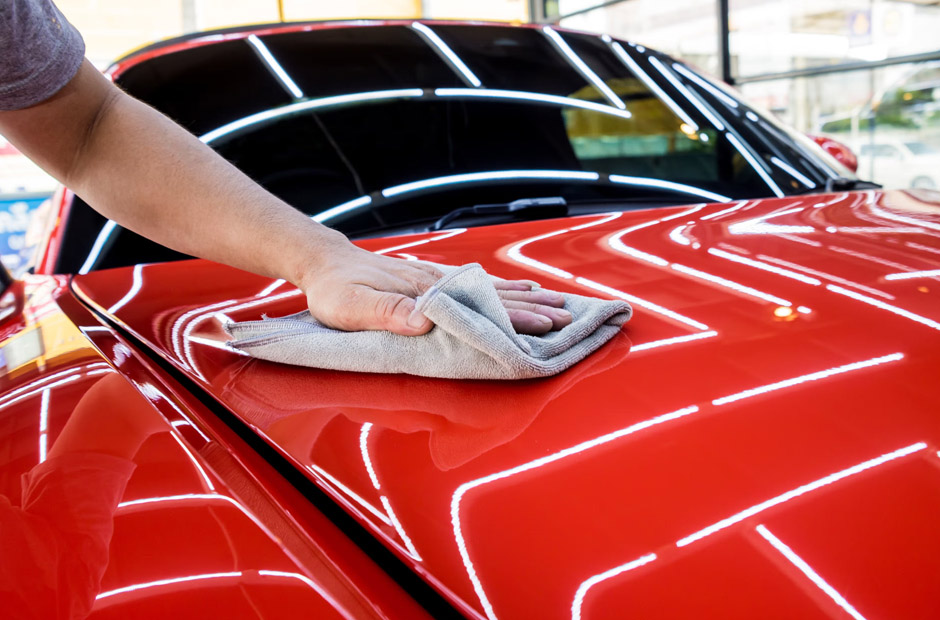
Always apply wax in the shade on a cool surface. Apply a thin layer using a foam applicator pad, let it haze over (dry), and then buff it off with a clean microfiber towel.
Maintenance Tips: Keeping the Shield Strong
Applying protection is only half the battle; maintaining it is the other. Even the best ceramic coating requires proper washing techniques to perform well.
The Two-Bucket Method
Never wash your car with a single bucket of soapy water. You will simply be rinsing your sponge in dirty water and rubbing grit back into the paint. Instead, use two buckets: one for fresh soapy water and one with plain water for rinsing your wash mitt.
- Dip mitt in soapy water.
- Wash a panel.
- Rinse mitts in the plain water bucket to remove dirt.
- Repeat.
Drying
Drying is where most “swirl marks” (fine circular scratches) occur. Avoid using old bath towels. Use a high-quality microfiber drying towel or a leaf blower to remove water without touching the surface.
Regular Inspection
Every few months, run your hand over the paint after washing it. If it feels rough like sandpaper, you have bonded contaminants. You may need to use a clay bar to remove these impurities before applying a fresh coat of wax or sealant.
Conclusion
Now that you have a better understanding of car wax and its different types, you can make an informed decision about which one is best for your car and your specific needs. Remember to always read the labels and follow the instructions carefully when applying car wax to ensure maximum effectiveness.