The Local Pest Scene: Who’s Sneaking In
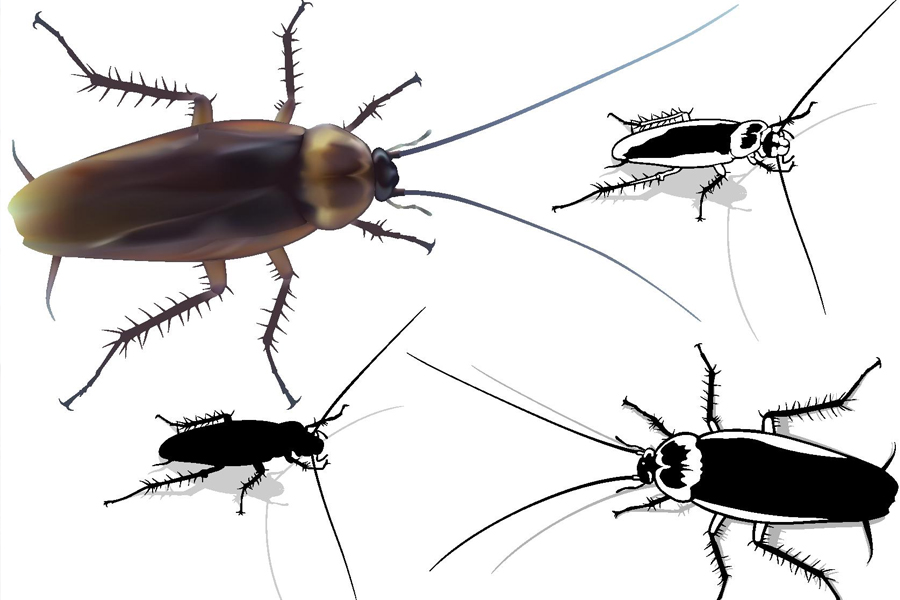
Pembroke’s laid-back, muggy atmosphere is ideal for backyard barbecues and unexpected guests. Warm weather attracts ants to crumbs and faulty faucets. Rodents chew and cause havoc through tiny openings. Spiders establish themselves in insect-rich areas, acting as little eight-legged landlords. Wasps and hornets fiercely protect their nests, making patios unsafe when disturbed. Dark, moist spaces like basements, restrooms, and under appliances attract cockroaches, who spread allergens and uneasiness.
Knowing who you’re up against helps you act early. A few scouts today can mean a full‑blown takeover by next week if you ignore the signs.
Early Clues and How to Spot Them
Few pests leave crimson carpets, but they leave breadcrumbs. Check for small droppings along baseboards or within cupboards, hairline nibble marks on food packaging, and greasy rub tracks where rats squeeze through. Ants leave neat trails from window sills to sugar bowls to signal their presence. Spiders surrounding light bulbs and garages indicate other insects. Wasp nests can be found in eaves or shrubs, and high-traffic flight patterns indicate a nearby hive. Cockroaches leaving pepper-like particles and a musty odour in undisturbed places indicate trouble.
Spotting these cues early lets you act fast, reducing both damage and stress.
Household Habits That Shut the Door on Pests
Think of prevention as your home’s daily armor. Small, consistent habits build a fortress that pests don’t bother testing.
- Seal it tight: Weatherstrip doors, fix window screens, and caulk cracks around utility lines. A pencil‑thin gap can be a freeway for ants or mice.
- Food lockdown: Store pantry items in airtight containers, wipe counters, and rinse recycling. A clean kitchen is a hostile zone for scavengers.
- Dry it out: Repair leaks, clear gutters, and run fans in damp rooms. Standing water fuels mosquitoes and roach activity.
- Declutter stealth zones: Cardboard, stacked newspapers, and jam‑packed closets make prime nesting real estate.
- Trim and tidy outside: Keep plants off exterior walls, elevate firewood, and clear debris. If you cut off the highway, pests won’t reach the city.
These habits won’t just cut down on intruders; they make you the kind of homeowner pests avoid entirely.
Why Professional Backup Matters
Even the sharpest DIY routines have limits. Pests adapt, hide, and exploit weaknesses you can’t see—inside wall voids, under insulation, beneath foundations. Pros in pest control in Pembroke bring trained eyes, targeted tools, and strategies calibrated to local patterns. They identify the source, not just the symptoms, and apply treatments that outpace over‑the‑counter sprays in both effectiveness and safety. If you’ve ever felt victorious one week only to see the same ants marching the next, a professional plan breaks the cycle for good.
Smart, Safe Treatments: What Pros Do Differently
Pest control has progressed beyond chemical spraying. Technicians prioritise family health and the environment by using precision baits, species-specific traps, and low-impact formulations. Layered defences are used instead of carpet-bombing your home: bait stations catch ants at access points, rodent exclusion and trapping block routes, and crack-and-crevice solutions target roaches. Safety standards protect kids, pets, and kitchens during insect, property, and season-specific treatments.
Season‑by‑Season Protection in Pembroke
A smart approach tracks the seasonal fluctuations in pest pressure. Ants scout, spiders spread, and nesting activity rises in spring. In summer, wasps and mosquitoes thrive on wetness and outside meals. Fall house hunting rodents enter through unfastened flashing or ageing vents. Winter merely brings insects and mice indoors. Pembroke service monitors these shifts and uses smart treatments to prevent activity inside your borders.
What Happens During an Inspection
A comprehensive inspection is detective-like. Your technician checks door sweeps, window frames, crawl spaces, attic entry, and utility penetrations while walking the property. After finding droppings, gnaw marks, nests, moisture pockets, and structural gaps, they map pests’ “highways.” Expect transparent communication about the present, likely, and future. They then create a focused plan—spot treatments where activity is strong, exclusion where access is easy, and monitoring to validate the remedy.
Life with Pets and Kids: Keeping Treatments Friendly
Safety isn’t a side note; it’s baked in. Responsible pest control prioritizes low‑toxicity approaches, placement that avoids curious paws and little hands, and precise application away from food prep areas. Your technician will tell you what’s being used, where, and why. In most cases, you won’t need to leave the home, and pets can return to treated zones once products dry—usually within hours.
Ongoing Protection: Why Maintenance Beats Whack‑a‑Mole
Pests breed fast, and stopping one generation doesn’t always deter the next. Regular visits close the feedback loop: monitors flag return activity, baits are refreshed, and new entry points get sealed before intruders try them. Preventive service is less dramatic than waiting for a crisis, but it’s also cheaper on stress and disruption. Think of it like routine car care—it keeps you moving and avoids roadside surprises.
Neighborhood Factors and Curb Appeal
What happens outside your fence matters. Heavy vegetation, shared walls, close neighbors, and nearby water can all increase pressure. Simple tweaks help: tighten outdoor trash routines, keep mulch a few inches from the foundation, and swap dense ground cover for plants that don’t trap moisture. If you’re renovating, loop pest control into the plan; sealing gaps while you upgrade saves headaches later.
FAQ
How often should I schedule pest control in Pembroke?
Most homes do well with quarterly service, with more frequent visits during peak seasons or for stubborn infestations.
Are treatments safe for kids and pets?
Yes—modern methods use targeted, low‑impact products and careful placement that minimize exposure while staying effective.
Can I stop ants without chemicals?
Start with sealing entry points, removing food sources, and using baits that ants carry back to the colony for a broader impact.
Will a technician find nests hidden behind walls?
Inspections focus on signs and access routes, and pros use tools and placement strategies to reach pests in voids you can’t.
How long until I see results?
Light infestations often improve within days; more complex issues can take several visits to fully resolve.
Do I need ongoing service or a one‑time treatment?
One‑time treatments can handle isolated problems, but maintenance prevents re‑infestation and adapts to seasonal changes.
What if the pests come back after treatment?
Most providers offer follow‑ups or guarantees, returning to adjust the plan and close any new gaps quickly.
Should I be home during service?
It’s helpful for the first visit to discuss concerns and access, but routine treatments can usually be done without you present.
Will pest control help with wasps and hornets outside?
Yes—pros safely remove nests and set strategies to discourage rebuilding near eaves, decks, and play areas.
How do professionals handle rodents in attics?
They combine traps and exclusion—sealing entry points, removing attractants, and monitoring to ensure the attic stays quiet.