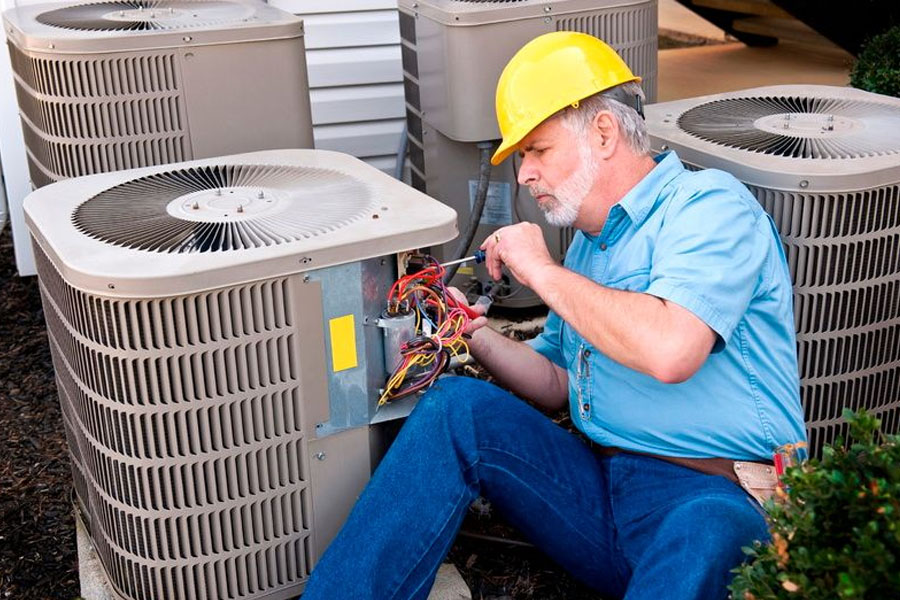
When your house is quiet and the air drifts through rooms like a steady tide, that’s your HVAC system doing its best work, suggests TrueDoor Property Management. But if the vents whisper unevenly, the unit clicks on and off like it can’t make up its mind, or a new rattle joins the chorus, it’s your system asking for attention. Those little signals—weak airflow, hot-and-cold pockets, short cycling—often point to clogged filters, tired motors, or airflow restrictions that don’t fix themselves. That’s where routine maintenance steps in, turning small tweaks into big wins for comfort, cost, and reliability.
Why Maintenance Matters Before Something Breaks
Consider preventive maintenance your system’s stop. Instead of driving until something breaks, a qualified technician checks refrigerant levels, inspects belts, tightens electrical connections, and cleans quiet comfort parts under the hood. They can find a heat exchanger hairline fracture, a capacitor on its last legs or a slow condensate drain that would flood a closet at 2 a.m. in one visit. Optimising your equipment ensures it runs as designed and lasts longer.
Energy Efficiency You Can Feel (and See on the Bill)
Dust is an energy thief. When filters clog and coils cake over, the system strains, airflow drops, and efficiency slides. Routine maintenance restores that lost ground. Cleaning evaporator and condenser coils, clearing the condensate line, and lubricating moving parts all reduce friction and heat, letting components work without fighting themselves. Technicians also verify refrigerant charge, test blower speeds, and measure static pressure so the system isn’t burning extra watts pushing against a bottleneck. Over time, that translates into steadier temperatures and lower utility bills, especially during peak season heat or cold.
Longer Life for the Hardest-Working Appliance You Own
Your unnoticed HVAC system works every day. Use wears it out like any machine. Maintenance prevents minor issues from becoming significant problems, slowing that march. Frayed belts are changed before snapping. A loose connection is tightened before arcing and cooking a board. A seized bearing never occurs since the motor is clean and oiled. Maintenance memberships from several providers include priority scheduling for heat waves and cold snaps and equipment-age and usage-based reminders. That steady pace can extend your system’s lifespan.
Cleaner Air, Healthier Home
Indoor air quality runs through your HVAC’s veins. Filters capture dust, pollen, and dander; coils remove humidity; ducts ferry air to every room. When those components are dirty or struggling, you feel it—musty scents, more dust, scratchy throats, stuffy rooms. Routine service swaps or washes filters, cleans coils and drain pans where moisture can linger, and checks ducts for leaks or buildup that stall airflow. The result: fewer airborne irritants and steadier humidity levels, which means less chance for mold to take root and a home that simply feels fresher.
Fewer Breakdowns, Fewer Emergencies
Most breakdowns start as whispers: a motor running hot, a loose wire vibrating, a contactor pitting with every start. Maintenance listens for those whispers. Technicians test amperage, inspect contacts, clean blower assemblies, and lubricate fan bearings to cut down heat and stress. They also evaluate safety circuits, flame sensors, and ignition systems on furnaces to catch erratic starts or incomplete combustion. By the time summer or winter is in full swing, you want a system that cruises, not one begging for a rescue call.
Better, Even Comfort in Every Room
Comfort goes beyond the thermostat. It feels like every area matches—no cold bedroom or stuffy loft. Maintenance checks duct dampers, tunes blower speeds, and recalibrates thermostats to match settings. A partially frozen coil causing lukewarm air or a slow outdoor fan restricting cooling can be identified by technicians. When airflow and temperature match, the house seems whole.
What a Pro Typically Does During a Tune-Up
- Replace or clean air filters and check filter fitment.
- Clean evaporator and condenser coils; rinse fins and straighten minor bends.
- Inspect and clear condensate drains; confirm slope and trap performance.
- Test refrigerant pressures and temperatures; verify superheat/subcooling where applicable.
- Measure voltage and amperage; tighten electrical connections; inspect contactors and capacitors.
- Lubricate accessible bearings and moving parts; inspect belts and pulleys for wear.
- Check blower wheel cleanliness and balance; confirm proper fan speed settings.
- Inspect heat exchanger (furnaces), ignition components, and flame sensors; test safety shutoffs.
- Verify thermostat operation and calibration; confirm staging or heat pump switchover.
- Assess ductwork for leaks or restrictions; evaluate static pressure and return air adequacy.
How Homeowners Can Prep for Service
Clear a few feet around indoor and outdoor units so the tech can work safely and thoroughly. Make sure the breaker box is accessible, note any rooms that run hot or cold, and secure pets. If you know your filter size or when it was last changed, have that info handy—it helps the tech zero in faster.
When and How Often to Schedule
Most homes need two tune-ups every year: spring cooling and fall heating. Both trips benefit year-round heat pumps. Maintenance helps modern systems run efficiently and protects warranties that require frequent servicing. In older or dusty environments, more frequent filter checks and cleanings can make the difference between “running” and “running well.”
Signs Your System Is Asking for Help
Check for short cycling, increased utility bills without weather change, odd noises, warm vent air during cooling mode or refrigerant line ice. An unreliable thermostat or rooms that move out of range indicate ventilation or refrigeration concerns. Early resolution simplifies the repair and smoothes the season.
FAQ
How often should I schedule HVAC maintenance?
Most homes benefit from twice-yearly service—once before cooling season and once before heating season.
Will maintenance help keep my warranty valid?
Many warranties require proof of routine maintenance, so documented tune-ups protect your coverage.
Can I do HVAC maintenance myself?
You can replace filters and keep areas clean, but testing, cleaning coils, and electrical checks should be handled by a licensed pro.
How long does a tune-up take?
Plan on 60–90 minutes per system, a bit longer if access is tight or parts need extra cleaning.
What does a maintenance visit typically cost?
Prices vary by region and system type, but many providers offer value-priced memberships that include seasonal visits and discounts.
Do maintenance plans really pay off?
For most homeowners, plans reduce surprise repairs, improve efficiency, and offer priority service during peak demand.
Will routine maintenance improve indoor air quality?
Yes—clean filters, coils, and drains help reduce airborne particles and better manage humidity.
Which filter should I use?
Choose a filter with a MERV rating your system can handle without restricting airflow; ask your tech to confirm the best match.
Should ducts be cleaned during maintenance?
Ducts are inspected during maintenance, and cleaning is recommended only if there’s significant debris, mold, or airflow restriction.
Why is my system short cycling?
Short cycling can stem from airflow problems, thermostat issues, or failing components and should be diagnosed before damage spreads.
Is it normal to “top up” refrigerant every year?
No—refrigerant doesn’t get used up; needing frequent top-offs signals a leak that should be found and fixed.