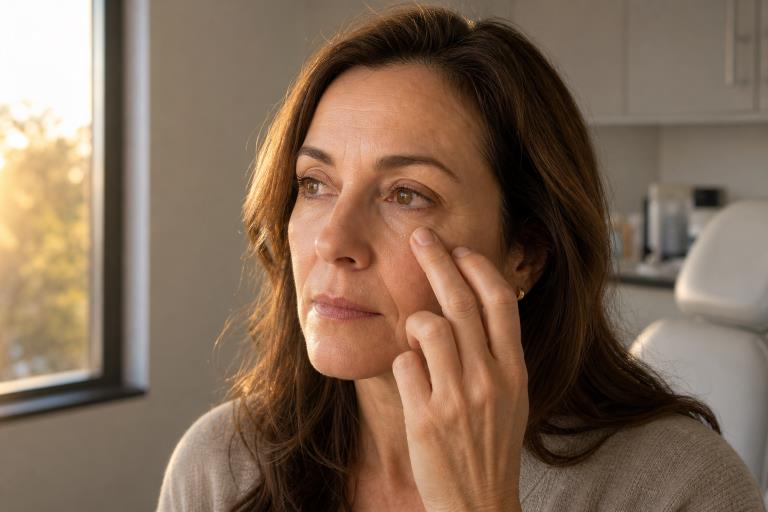
Eyelid rejuvenation can be a meaningful option for people bothered by heavy upper lids, under-eye puffiness, loose skin, or a more tired-looking appearance than they feel. For those researching eyelid surgery Wichita, it helps to understand that treatment planning should account for both facial aesthetics and the health and function of the eyes.
Some people want a subtly refreshed look, while others are concerned that excess upper-eyelid skin is interfering with daily comfort or peripheral vision. The right approach is personal. It depends on anatomy, medical history, eye symptoms, goals, and willingness to follow a recovery plan.
Why People Consider Eyelid Rejuvenation
The skin around the eyes is thin and constantly in motion, so it often shows age-related changes early. Genetics, sun exposure, allergies, skin quality, shifting facial volume, and natural tissue laxity can all contribute to hooding, creasing, puffiness, or a hollow appearance beneath the eyes.
For example, a person may notice that makeup smudges beneath a heavy upper fold, or that they raise their eyebrows throughout the day to see more comfortably. Another may feel that lower eyelids make them look fatigued despite adequate rest. These concerns can overlap, but they do not always have the same solution.
Cosmetic And Functional Concerns
Cosmetic goals commonly include smoothing loose skin, reducing the appearance of under-eye bags, improving eyelid contour, or creating a more rested appearance. Functional concerns may involve skin that hangs over the upper eyelid, forehead strain from repeatedly lifting the brows, or a sense of limited upper visual field.
A careful evaluation matters because drooping can originate in the eyelid itself, the brow position, or another eye-related condition. Dry eye, thyroid eye disease, allergies, and prior eye procedures can also affect comfort and treatment planning. A medical assessment helps distinguish appearance concerns from symptoms that deserve further eye evaluation.
Main Treatment Options
There is no universal “best” eyelid treatment. A qualified clinician should recommend an option based on the specific structures contributing to the concern rather than on a trend or a single before-and-after photo.
- Upper eyelid surgery: Often considered for excess upper-lid skin, a heavy fold, or tissue that contributes to hooding. Recovery generally involves visible swelling and bruising during the early healing period.
- Lower eyelid surgery: May address fat pockets, under-eye bags, loose lower-lid skin, or selected contour concerns. It cannot correct every cause of dark circles, especially pigmentation or deep facial volume loss.
- Combined upper and lower treatment: May be appropriate when concerns affect both areas. Combining procedures can streamline recovery, but it also requires a more detailed discussion of healing needs and risks.
- Non-surgical care: Skin care, sunscreen, injectables, resurfacing, or other treatments may help with fine lines, texture, or volume-related concerns. They do not remove significant excess skin or reposition fat in the same way surgery can.
Who May Be A Good Candidate?
Good candidates are typically in stable general health, have realistic expectations, and understand that healing takes time. Age alone does not determine candidacy. Some younger adults have inherited upper-lid hooding or prominent lower-eye bags, while older adults may have minimal concerns.
Be prepared to discuss dry-eye symptoms, thyroid conditions, seasonal allergies, glaucoma, previous eye surgery, contact lens use, medications, supplements, and smoking or nicotine use. These factors can affect safety, healing, and the order in which another treatment or a specialist evaluation should come first.
What To Expect At A Consultation
A productive consultation begins with a clear description of what you see and feel. Bring a current list of medications and supplements, known allergies, and relevant eye care history. Older photographs can also be useful if they show how your eyelids or brow position have changed over time.
Ask whether your primary goal is improved appearance, increased comfort, or better vision. Depending on the concern, an eye exam, a visual field test, or a referral may be appropriate. You should also receive a clear explanation of the proposed technique, anesthesia or sedation plan, incision placement, aftercare, follow-up schedule, and expected costs.
How To Prepare
- Follow all individualized instructions from the treating medical team.
- Confirm which medicines, vitamins, and supplements should be continued, adjusted, or avoided.
- Arrange a ride home if anesthesia or sedation is planned.
- Set up a comfortable recovery space with pillows to keep your head elevated.
- Keep approved cold compresses, eye products, clean gauze, easy meals, and prescribed medications available.
- Plan for limits on work, exercise, driving, travel, and social events.
Recovery Timeline
First Several Days
Swelling, bruising, tightness, mild discomfort, tearing, irritation, and temporary blurry vision can occur early in recovery. Rest, head elevation, and clinician-approved cold compresses may support comfort. Individual instructions should always take priority over general advice.
First One To Two Weeks
Bruising and swelling often begin to improve, although healing varies. Some people return to light daily routines during this period, while strenuous activity, eye makeup, contact lenses, and driving may still be restricted. The American Society of Plastic Surgeons’ eyelid surgery recovery guide offers helpful general questions to discuss with a surgeon.
Following Weeks And Months
Incisions, swelling, and tissue settling can continue to change over the following weeks and months. Early results are not necessarily final results. Sun protection, sunglasses, and scheduled follow-up appointments remain important parts of recovery.
Risks And Warning Signs
Every procedure involves risk. Possible concerns include infection, bleeding, scarring, asymmetry, persistent dryness, irritation, difficulty fully closing the eyes, or changes in eyelid position. A balanced overview from the Cleveland Clinic’s blepharoplasty resource can help patients prepare for conversations about benefits, limitations, and recovery.
Contact the treating medical team promptly if symptoms seem unusual or worsen quickly. Sudden vision changes, severe or increasing pain, rapidly expanding swelling, heavy bleeding, breathing problems, or signs of an allergic reaction require urgent medical attention.
Questions To Ask Before Treatment
- What specific concern is this treatment designed to address?
- Would upper eyelid treatment, lower eyelid treatment, brow treatment, or a non-surgical option better fit my goals?
- Could dry eye or another eye condition change the plan?
- What anesthesia or sedation will be used?
- How long should I limit work, exercise, driving, and travel?
- Which symptoms require an urgent call or emergency care?
- What does the quoted cost include, and what may be billed separately?
- When are follow-up visits scheduled?
Final Takeaway
Eyelid rejuvenation is a personal medical decision, not a one-size-fits-all fix. The most informed choice considers anatomy, eye health, realistic goals, recovery time, and safety. A thorough in-person consultation can help clarify which concerns are treatable, what results may be realistic, and whether treatment is appropriate for your needs.